Separate the main measurements
An online cookware listing can give several dimensions without explaining which part each one describes. Identify rim diameter, working base diameter, depth and overall length with the handle included. These measurements answer different questions. A lid may relate to the rim, the cooker to the base and the cupboard to the complete vessel. Treating them as one interchangeable size makes it easy to buy something that fits one stage of cooking but not another.
Create a small comparison note with a separate column for each measurement. Leave missing details blank rather than filling them with estimates from the photograph. A product image can show style and general arrangement, but scale and perspective can mislead. If a key dimension is absent, ask the seller or maker before purchase, using the exact product reference so the response does not accidentally describe a similar model in another size.
Use something familiar as a reference
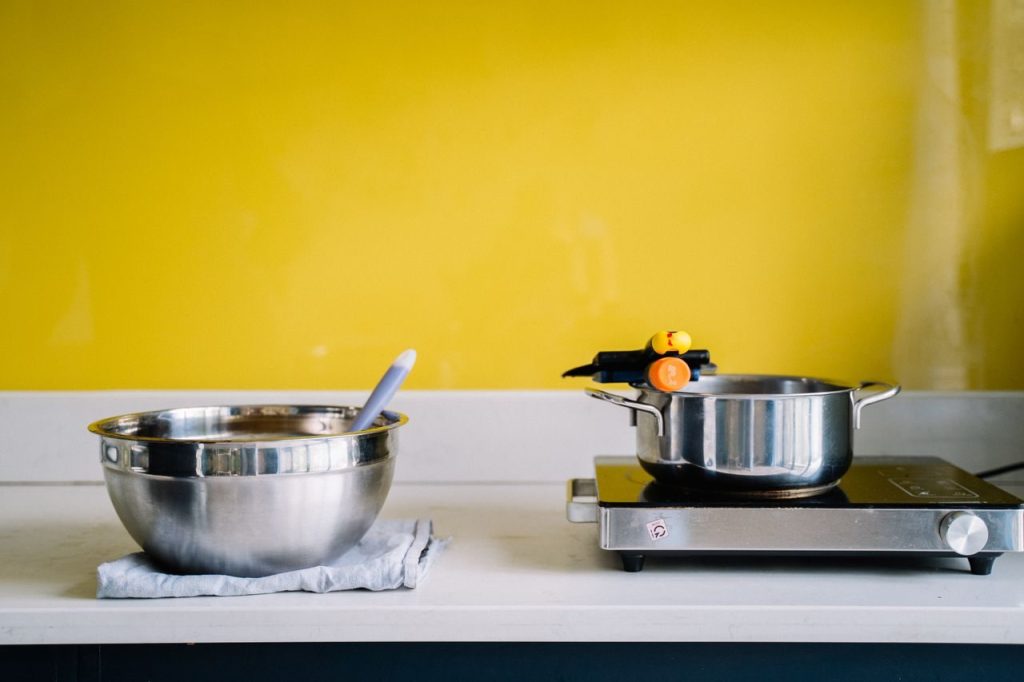
Measure a pan you already know and note what works about it. Perhaps its flat area suits dinner for two, its handle fits the drawer or its depth makes stirring comfortable. Compare the candidate with those specific features. This gives the numbers practical meaning and is more useful than deciding that a product looks about right beside a staged kitchen accessory whose own dimensions are unknown.

A paper outline can help visualise the base and overall footprint. Place it on a clear worktop or compare it with storage space while the cooker is off and cool. This is not a substitute for compatibility instructions, but it can reveal whether the proposed handle length or body size would be awkward. Include the opening of the cupboard rather than measuring only the generous shelf space hidden behind a narrower door.
Read capacity with shape
Capacity describes volume, not the whole working arrangement. A tall narrow saucepan and a wider shallow vessel can hold similar amounts while offering different access for stirring and different space for ingredients to spread. Consider the recipes you intend to prepare and the room they need above the food. An advertised maximum is not a recommendation to fill the vessel to that level for every cooking method.
Check whether dimensions are internal or external and whether a listed height includes the lid. If the product comes with accessories, identify their separate measurements and storage needs. A complete bundle can occupy much more room than the main vessel suggests. The objective is to understand the delivered items rather than relying on a single prominent number selected to make an online card easy to scan.
Include handling and appliance fit
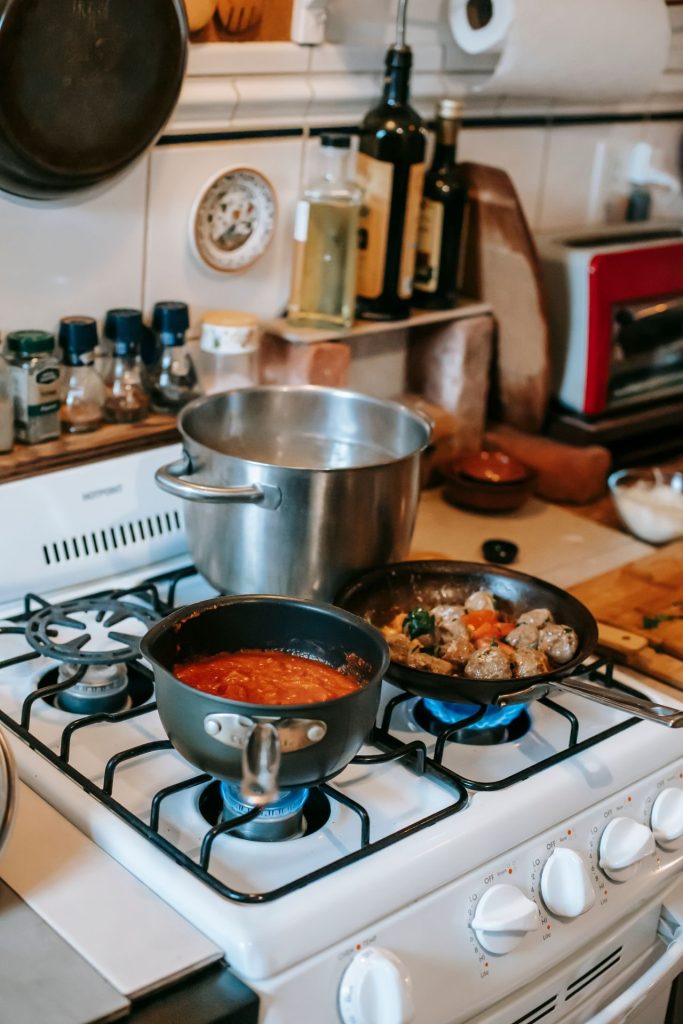
Record empty weight where provided, then consider the food and lid that will be added during use. Think about pouring and carrying, not just lifting an empty vessel. A long handle can affect balance and storage even on a modest body. If the grip shape matters to you, look for clear images from several angles or consider seeing the item in person before committing to an unfamiliar arrangement.
Confirm the specifications against the kitchen
Compare the maker’s compatibility statement and base dimensions with the appliance manual. Do not assume a material label answers every hob or oven question. For oven use, measure available space with shelves in the intended position and allow room to take hold with suitable protection. A vessel that technically fits inside an oven may still be uncomfortable to move through the opening when hot and loaded with the meal.
Keep the buying record
Save the product reference, specification page and the seller’s written clarification of any missing measurement. Check the current returns terms before ordering, rather than assuming an unsuitable item can be returned after any kind of use. When the product arrives, compare the supplied item and documentation with the order while following the seller’s conditions. This gives you a clear opportunity to resolve a mismatch before building a cooking routine around the vessel.
Buy for a clear task
End the comparison by describing the meals and movements the pan should support. A useful online purchase meets those practical requirements, not merely a headline diameter and an appealing photograph. Accurate dimensions let you check the cooker, sink, oven and storage as separate stages. That turns online shopping into an informed fit assessment and reduces the chance that a familiar-looking vessel arrives with an unexpected base, awkward handle or lid that has no convenient place to live.