Empty weight is not cooking weight
A pan’s empty weight is easy to list in a product description, yet you rarely move it only while empty. Food, liquid and the lid add to the task. Before buying, consider the meals you intend to prepare and how the vessel will be moved afterwards. A manageable empty saucepan may become awkward when you need to pour its contents or carry it away from the hob.
This is a personal handling decision rather than a competition over who can lift more. Think about grip comfort, reach and the layout of your kitchen. There is no requirement to choose the largest or heaviest option in a range. A smaller vessel used for sensible portions can be a better fit than one whose full capacity you cannot comfortably manage within your normal cooking routine.
Look at balance and handles
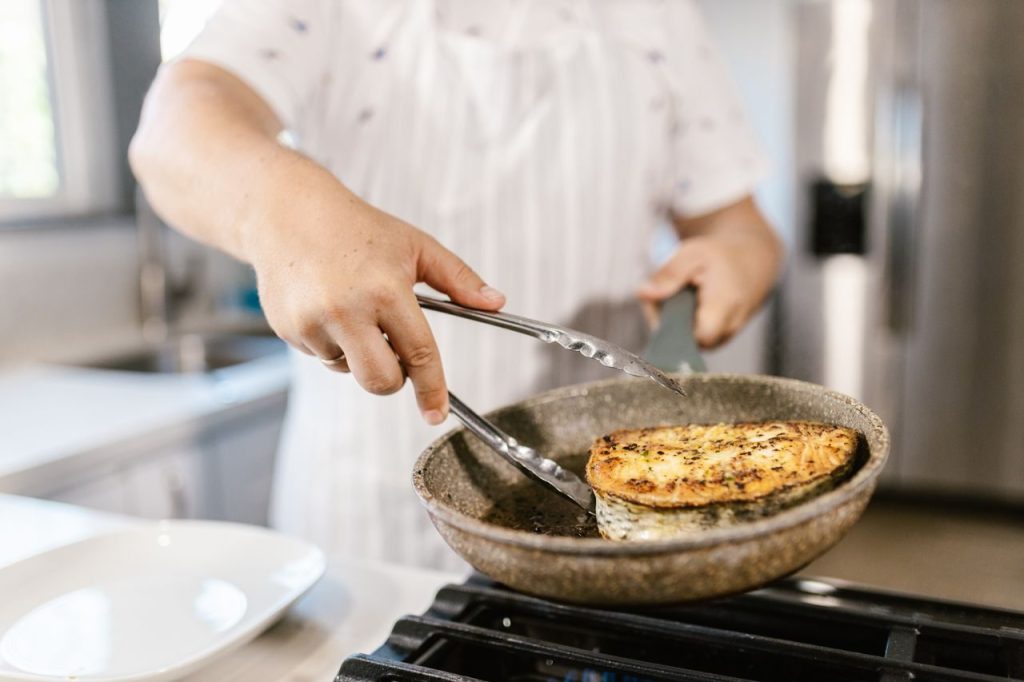
The handle arrangement affects more than appearance. A long handle, two side handles or a helper handle can change how you support the vessel. Compare the complete dimensions and imagine the movement you need, including turning, setting down and washing. If shopping in person, assess the cold empty item cautiously, without treating that experience as proof of how hot handles will behave during cooking.
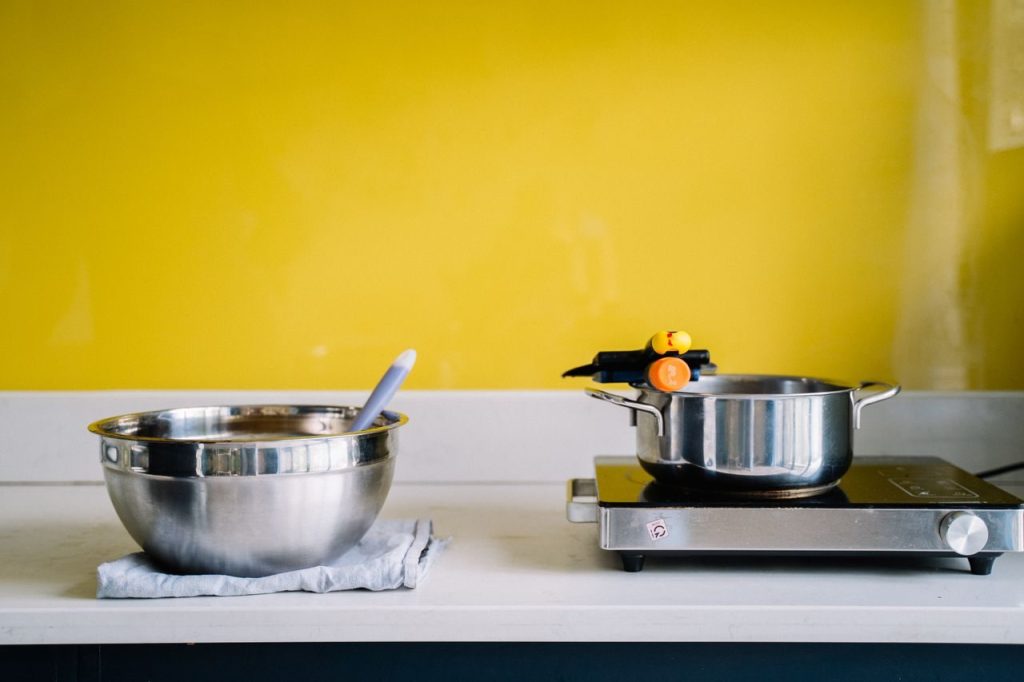
Check the manufacturer’s instructions for protective gloves and heated handles. Make sure your usual glove can take hold securely without forcing fingers into a narrow opening. A stylish handle is not useful if it feels uncertain or requires an awkward wrist position. Consider everyone who will use the pan, rather than choosing around the preferences of the person who happens to be doing the shopping that day.
Map the journey through the kitchen
Measure where the pan will be stored and identify the route to the cooker. A low cupboard may require bending and lifting before any ingredients are added. A high shelf may make a heavy vessel difficult to retrieve. Storage should be stable and accessible, with frequently used cookware placed where it can be reached without moving a precarious pile of other equipment first.
The washing area deserves the same attention. A large pan may fit on a hob but be awkward to turn in a compact sink. Think about drying space and where the clean vessel will wait before being put away. These movements are part of ownership, not minor inconveniences to ignore. A pan that repeatedly makes routine handling difficult may not suit your kitchen, however appealing its capacity or finish.
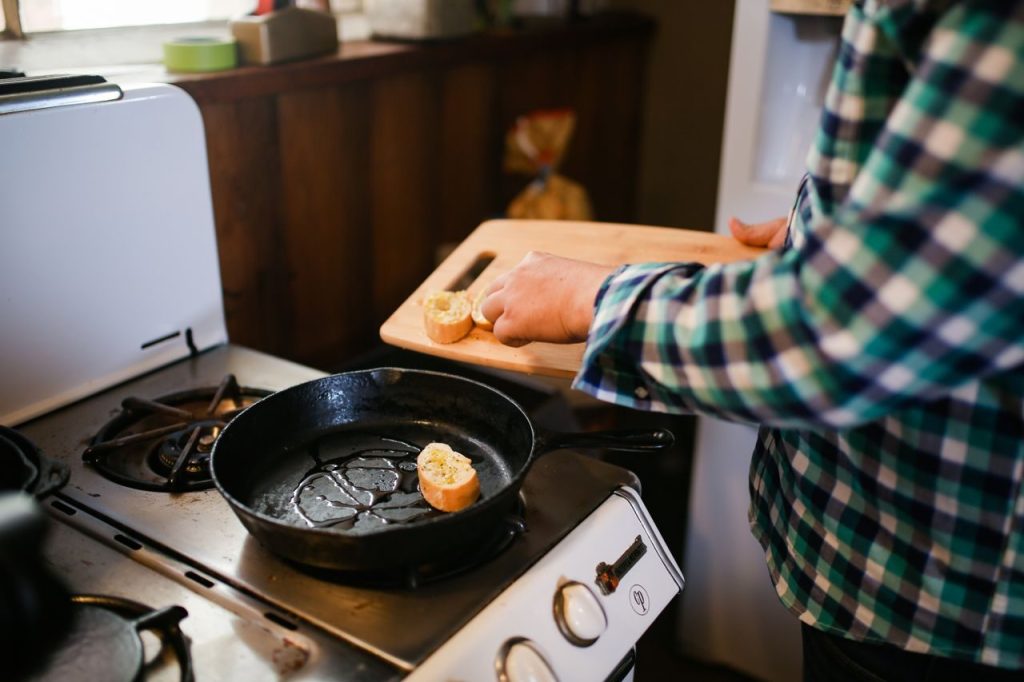
Choose capacity with a purpose
Start from usual portions rather than occasional aspirations. If you rarely cook for a crowd, a very large vessel may create unnecessary handling and storage work. For the occasional larger meal, consider whether a different cooking plan using existing equipment is possible. Avoid solving every hypothetical dinner with another oversized purchase, especially when cupboard space and comfortable lifting are already limited in the household.
If a recipe requires moving a filled pan, read the method before starting and prepare an appropriate clear landing place. Do not improvise by carrying hot cookware farther than necessary or holding it awkwardly while searching for a trivet. The aim is to reduce the handling demand through planning. This is often more practical than assuming a stronger grip or a different handle will solve every situation.
Use a decision you can repeat
When comparing candidates, record empty weight, capacity, handle arrangement and overall dimensions in the same place. Note which movements each item will need in your own kitchen. A list that connects specifications to actual tasks is more useful than a single verdict that a pan feels substantial. It also helps explain the choice to another household member who will share the cooking and cleaning.
If you already own an awkwardly heavy pan, reconsider its role before buying accessories intended to compensate. It may be reserved for a specific manageable task or replaced by a more suitable size. Ask the maker about any equipment designed for that product rather than improvising attachments. A good cookware collection supports comfortable everyday work; it does not require every vessel to be filled to its maximum or lifted in the same way.