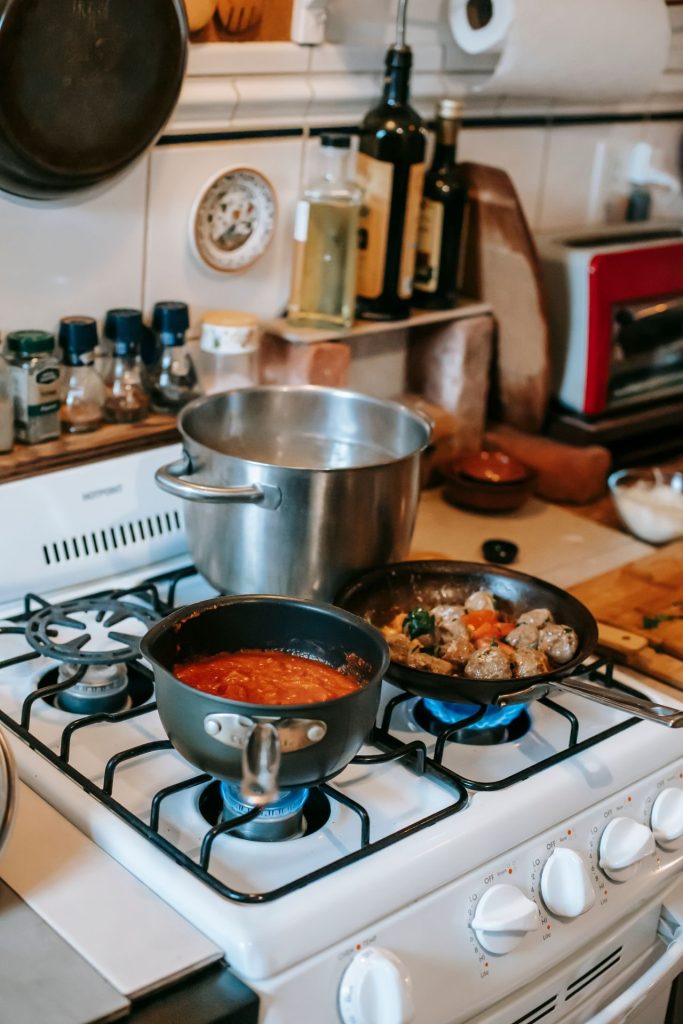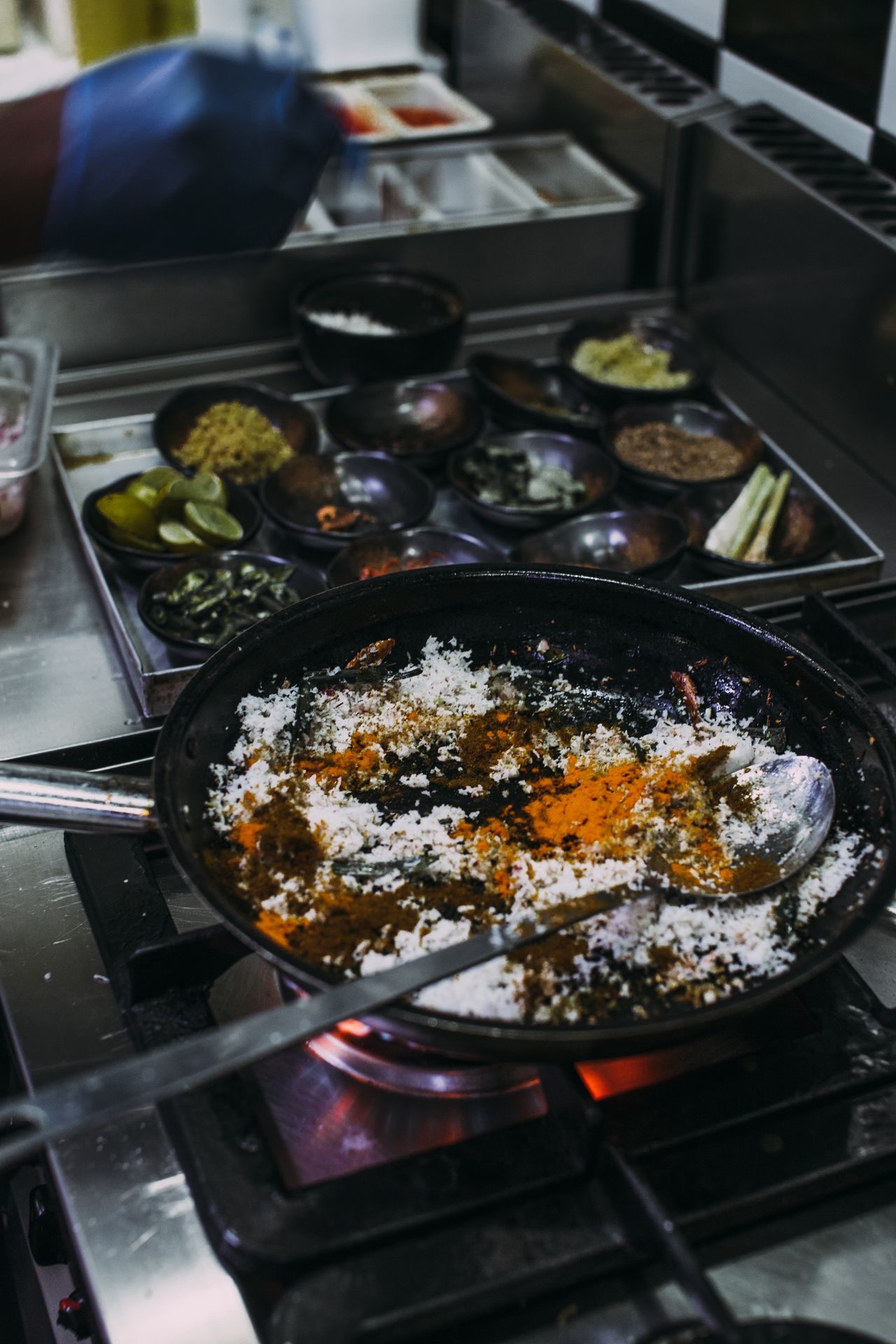
Choosing individual pan shapes according to the cooking methods used most often avoids the expense and storage demands of a full matching set. A small number of well-chosen profiles can cover frying, simmering, reducing and oven finishing without duplication. The decision rests on matching the physical form of each pan to the heat transfer, evaporation rate and food movement required by common household recipes rather than acquiring uniform diameters or finishes across an entire range.
Pan geometry affects how heat moves through food, how easily ingredients can be moved around, and how much evaporation occurs. Matching the shape to the task therefore improves consistency and reduces the need for extra equipment. Manufacturers publish base diameters, side angles and recommended hob compatibility in their specifications, allowing buyers to verify fit before purchase rather than discovering limitations during use.
Base width and cooking zone contact
The diameter of the base determines how much of the hob ring or induction zone transfers heat directly to the pan. A base that aligns closely with the cooking zone size produces even heating across the food surface and prevents the formation of cooler outer rings that slow overall cooking. When the base falls short of the zone diameter, energy disperses around the edges without reaching the contents; when the base exceeds the zone, the outer portion of the pan warms more slowly and may leave food in that area undercooked unless the cook rotates the pan during the process.
Appliance manuals for ceramic and induction hobs list the precise zone diameters and compatible base constructions. Checking the manufacturer’s stated base measurement against these figures before buying prevents acquiring pans that cannot deliver consistent results on the available hob layout. Straight-sided pans with flat bases maintain contact more reliably on flat hobs, while slightly concave bases may suit older gas burners where flame distribution varies.
Side angle and food movement
Straight sides confine ingredients to a narrower footprint, which suits preparations that require liquid to cover the food completely or that benefit from minimal surface exposure during gentle simmering. The vertical walls also limit the area available for rapid moisture loss, helping maintain a consistent sauce consistency over longer periods. Cooks who frequently prepare one-pot meals with added stock or wine find this shape reduces the risk of the liquid reducing too quickly before the other ingredients finish cooking.
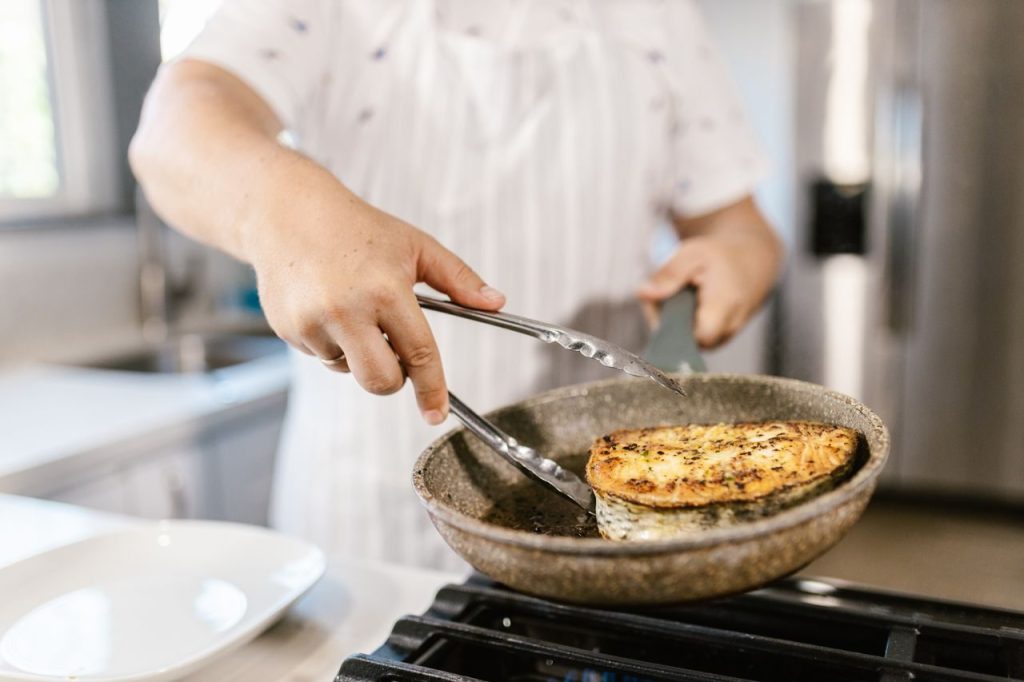
Sloped sides increase the exposed surface area as the volume of liquid rises, accelerating evaporation during reduction and giving more room for tossing or stirring without overflow. The gradual widening also allows a spatula to reach the junction between base and wall more easily, preventing food from catching in sharp corners. This profile works well for dishes that begin with searing and finish with a pan sauce, because the wider top accommodates the addition of deglazing liquid without immediate spillover.
Depth for volume control
Shallow pans promote rapid moisture loss and suit small portions or high-heat techniques where quick browning and minimal steaming are desired. Their limited capacity forces the cook to work in batches when preparing larger quantities, which can be an advantage when each batch needs individual attention to colour. Depth measurements listed by manufacturers usually refer to the internal height from base to rim; verifying this figure against typical recipe volumes prevents selecting a pan that forces frequent transfers to another vessel.
Deeper pans retain steam and moisture longer, making them appropriate for layered ingredients, larger liquid volumes or dishes that move from hob to oven. The extra headroom reduces boil-over risk during simmering and provides space for stirring without splashing. When the recipe calls for both initial searing and subsequent addition of stock, a deeper profile accommodates both stages without intermediate decanting, although the cook must still monitor temperature to avoid over-reduction at the edges.
Lid fit and oven transition
A lid that rests evenly on the rim traps steam during covered simmering and shields the hob surface from splatter during frying. The fit also influences how quickly condensation returns to the pan, affecting overall moisture levels in the dish. Glass lids often carry lower maximum temperature ratings than metal lids; oven manuals supplied with the appliance state the safe range for each material, and exceeding these limits can cause cracking or seal failure.
Handles rated for oven temperatures allow the same pan to move directly from hob to oven without changing vessels. Checking both pan and lid specifications together reveals whether the complete assembly can withstand the intended oven temperature. Pans with loop handles rather than long protruding ones may fit more easily into standard domestic ovens while still providing secure lifting when hot.
Storage considerations for mixed shapes
Varied shapes rarely nest inside one another, so vertical storage or wall-mounted hooks become necessary to keep each pan accessible. Pans with long handles can hang separately on sturdy hooks; those with loop handles fit narrower rails or pegs. Lid racks that hold covers upright prevent the need to lift multiple lids to locate the correct size and reduce the chance of chipping enamel or glass during retrieval.
Measuring cupboard depth and height before purchase helps determine whether a deeper sauté pan or a wider frying pan will fit the available space. A single deep pan can sometimes replace two shallower ones when its capacity covers both frying and gentle simmering tasks, although the cook must still ensure the base diameter matches the hob zones in use. Overcrowding shelves increases the risk of scratches on non-stick surfaces, so allocating separate vertical slots for each shape preserves coatings longer.
Material limits on shape performance
Thinner materials respond quickly to temperature changes and suit shapes used for rapid searing followed by quick removal from heat. Thicker bases retain heat after the hob is turned down, which benefits shapes intended for slow reductions or for keeping food warm while other components finish. Hob manuals specify compatible base constructions for induction and ceramic surfaces; using an incompatible base can scratch the hob or produce uneven heating that affects cooking times.
Non-stick coatings carry maximum temperature guidance from the manufacturer, and shapes that concentrate heat in a small central area may exceed those limits even when the overall hob setting appears moderate. Food-safety guidance from the UK Food Standards Agency recommends cooling cooked food promptly and transferring it to clean containers for storage. The pan shape itself does not change these steps, yet a profile that allows swift transfer to smaller containers shortens the time food remains in the temperature danger zone between 5 °C and 63 °C.
Common errors when choosing shapes
Selecting every pan with the same diameter often leads to redundant capacity and wasted storage space, because the cook ends up using only the two or three shapes that match actual recipe volumes. Another frequent oversight is ignoring the relationship between side angle and hob type: a wide, sloped pan may overhang small gas burners, causing the outer food to cook slowly while the centre overheats. Verifying burner size against pan base before purchase avoids this mismatch.
Assuming that deeper always equals more versatile can also create problems when the extra depth prevents rapid evaporation needed for certain sauces. Checking the internal depth against the largest typical liquid volume in household recipes prevents buying a vessel that forces constant monitoring to avoid boil-over. Finally, neglecting to confirm oven compatibility of both pan and lid before use can result in discovering temperature limits only after damage occurs.