Everyday cooking places repeated demands on pans and pots, and the material determines which care steps keep them functional over months or years. Manufacturer instructions for each material set clear limits on temperature, cleaning methods and storage that directly affect how well a pan conducts heat or releases food during routine tasks such as sautéing vegetables or simmering sauces.
Choosing a material therefore involves matching its maintenance requirements to the frequency of use and the type of hob or oven available. Stainless steel, cast iron, non-stick coatings, aluminium and copper each carry distinct care rules that preserve their original heat-transfer properties without requiring specialised equipment.
Stainless steel limits and daily cleaning sequence
Stainless steel pans tolerate high hob temperatures yet can develop discolouration when exposed to prolonged dry heat above typical frying ranges. Manufacturer manuals advise allowing the pan to cool before submerging it in water to avoid warping the base. A sequence of hot water, mild detergent and a non-abrasive pad removes most residues while preserving the polished surface that aids even browning.
Persistent marks respond to a paste of bicarbonate of soda applied with a soft cloth, followed by thorough rinsing. Dishwasher use remains acceptable only when the manual explicitly states compatibility; repeated cycles may dull the finish over time and reduce visibility of food colour changes during cooking.
Cast iron seasoning maintenance
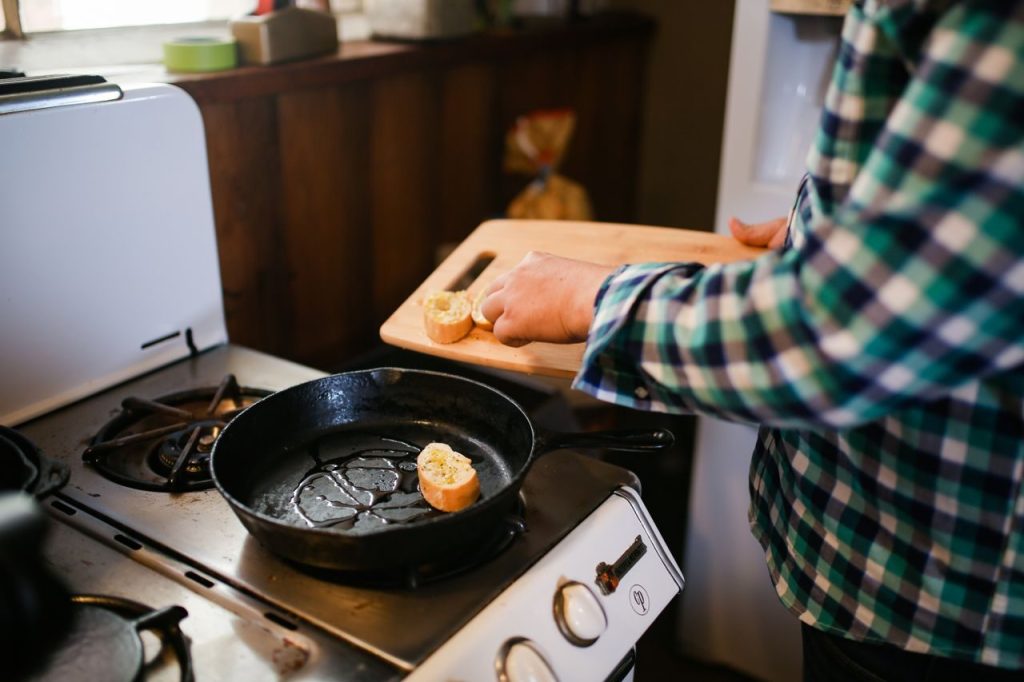
Cast iron requires a thin oil layer after each wash to prevent oxidation. After washing in hot water without soap, the pan is dried immediately on low heat and then rubbed with a neutral oil while still warm. This step restores the surface that supports steady heat retention needed for searing or slow braising.
Storage in a dry cupboard with a paper towel between stacked pieces prevents moisture contact. Avoid prolonged contact with acidic ingredients unless the manual confirms the seasoning can withstand it; otherwise the protective layer thins and food begins to stick during subsequent uses.
Non-stick coating temperature boundaries
Non-stick surfaces lose effectiveness when heated above the limits stated in the care instructions, typically around 200–230 °C. Preheating an empty pan on high settings or using metal utensils creates micro-scratches that reduce release properties for eggs or delicate fish. Silicone or wooden tools and medium heat settings extend the coating life for weekday omelettes or stir-fries.
Cooling before cleaning prevents thermal shock that can crack the coating. Hand washing with a soft sponge removes residues without abrasion; dishwasher cycles are permissible only if the manual labels the item safe, otherwise residue may bake on during the drying phase and affect future non-stick performance.
Aluminium oxidation prevention
Aluminium pans conduct heat quickly yet can pit when exposed to salty or acidic foods left standing for extended periods. Manufacturer guidance recommends transferring cooked food to another container once the cooking phase ends. Washing promptly with warm water and mild detergent removes residues before oxidation spots form.
Heavy scrubbing with steel wool removes the protective oxide layer and should be avoided. When the base shows visible pitting or uneven heating during simmering, the pan no longer meets the original performance standard for tasks requiring precise temperature control.
Copper heat-response care
Copper bases respond rapidly to heat adjustments, making them suitable for sauces that require frequent temperature changes. Manufacturer instructions limit direct hob contact to medium settings and advise against empty-pan heating to prevent discolouration. A tin or stainless lining, when present, requires inspection for wear; once the lining thins, acidic ingredients may react with the copper.
Polishing with a manufacturer-approved compound restores appearance but does not affect cooking performance. Storage upright or on lined shelves prevents dents that alter the base flatness needed for stable contact with induction or ceramic hobs.
Shared storage practices across materials
Stacking pans of differing materials risks surface damage. Placing a cloth or dedicated protector between each item reduces abrasion on non-stick coatings and polished stainless finishes alike. Lids should be stored separately or upright in a rack so that steam vents remain unobstructed and do not collect condensation that could drip onto stored cookware.
Regular visual checks for loose rivets, warped bases or coating wear provide early indication that a pan may no longer deliver the heat distribution required for its intended tasks. When such signs appear, the manufacturer’s replacement criteria rather than continued use determine the next step.
Matching material care to hob type
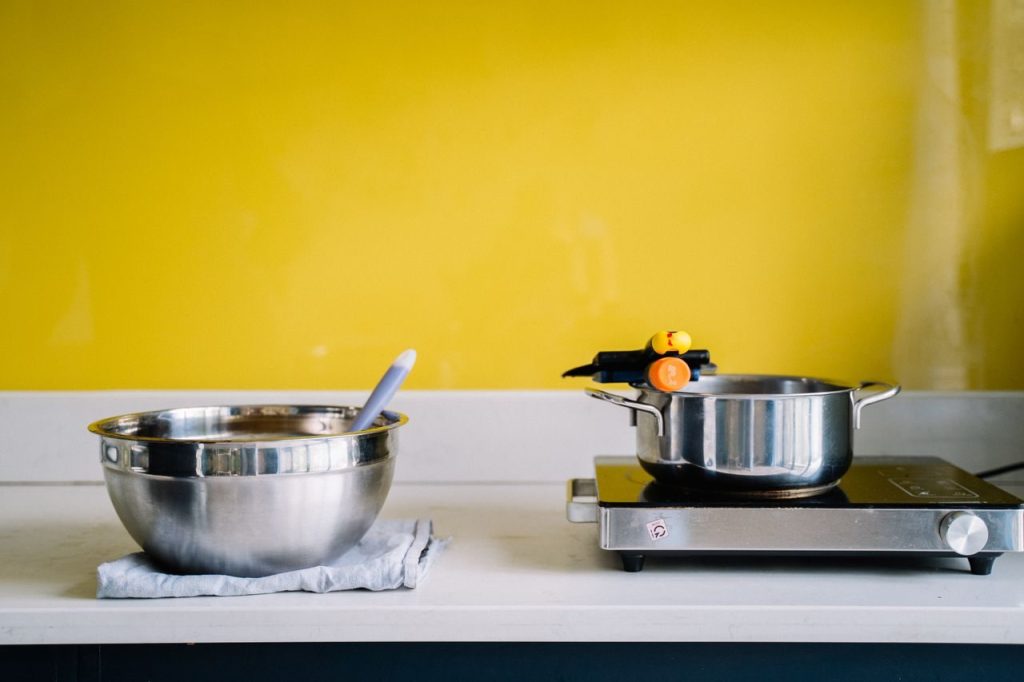
Induction hobs require flat bases; any warping from thermal shock or improper cooling alters contact and reduces efficiency. Ceramic hobs scratch easily, so abrasive cleaning pads are unsuitable for stainless or cast iron regardless of the material’s other advantages. Gas burners concentrate heat in the centre, so materials with thick bases need even preheating to avoid hot spots that affect sauce reduction or vegetable sautéing.
Following the temperature and cleaning limits supplied with each pan preserves the original suitability for these hob-specific demands without requiring additional accessories.