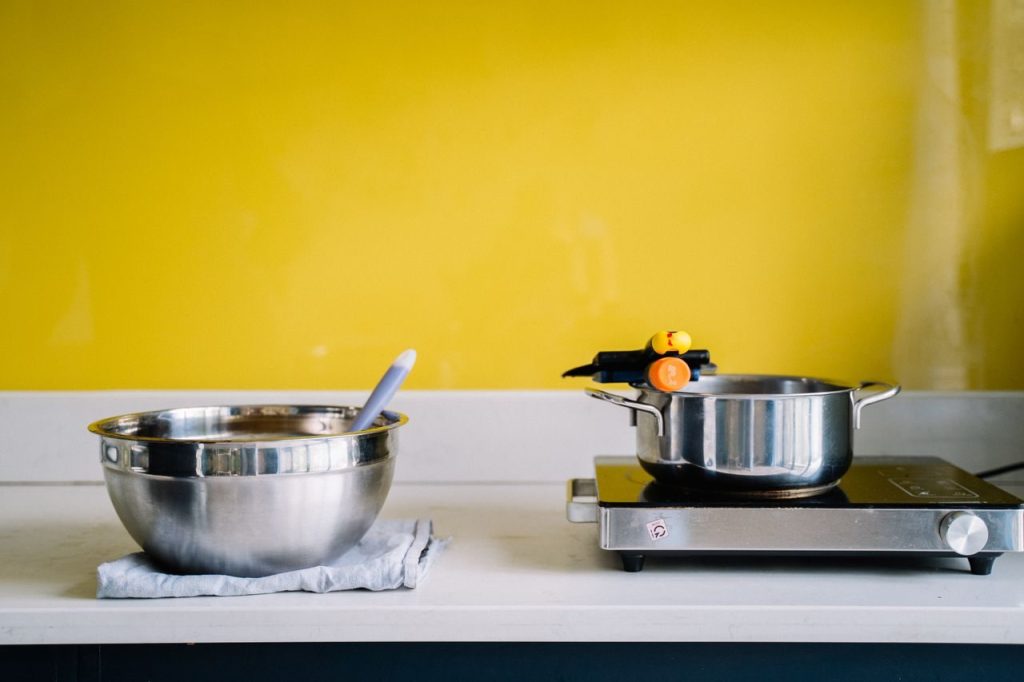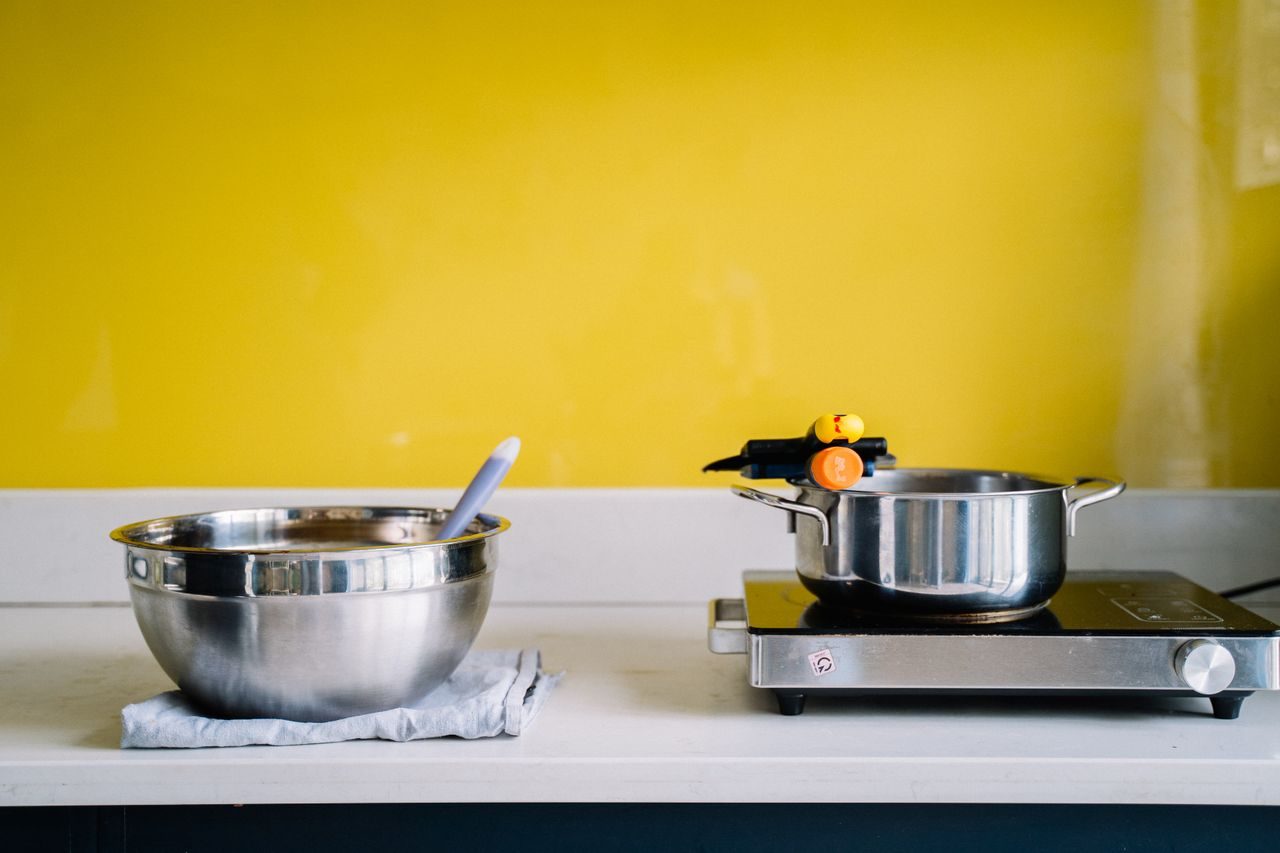
Residual heat on ceramic and induction hobs offers a way to finish dishes after the power level has been lowered or switched off. The surface or element retains warmth for several minutes, which can be used to reduce sauces, keep food at serving temperature or complete gentle cooking steps. Understanding the timing and limits of this heat source helps avoid overcooking or under-reducing liquids.
Manufacturers of ceramic and induction appliances publish cooling curves in their manuals that show how quickly surface temperatures drop once power is cut. These curves vary by model and by whether the hob has been running at high output for an extended period. Checking the specific manual for the installed hob prevents assumptions based on general descriptions.
Identifying usable residual heat windows
Ceramic hobs typically retain usable heat for five to twelve minutes after the zone is turned off, depending on the previous power setting and the mass of the pan. Induction hobs cool faster because the magnetic field stops immediately, yet the pan itself continues to hold heat. The practical window for residual cooking therefore depends on both the hob surface and the pan base thickness.
A simple test with a small amount of water can show the duration available. Place 100 ml of water in the pan, bring it to a gentle simmer on the chosen zone, then switch the hob off and time how long the water continues to show movement. Repeat the test after different cooking durations to map the actual behaviour of that particular hob and pan combination.
Matching pan materials to residual heat use
Cast iron retains heat longest and can continue cooking or reducing for several minutes after the hob is off. Stainless steel with a thick base follows closely, while thinner aluminium or non-stick pans lose heat more quickly. Enamelled cast iron behaves similarly to plain cast iron but requires care that the enamel does not overheat if the residual period is misjudged.
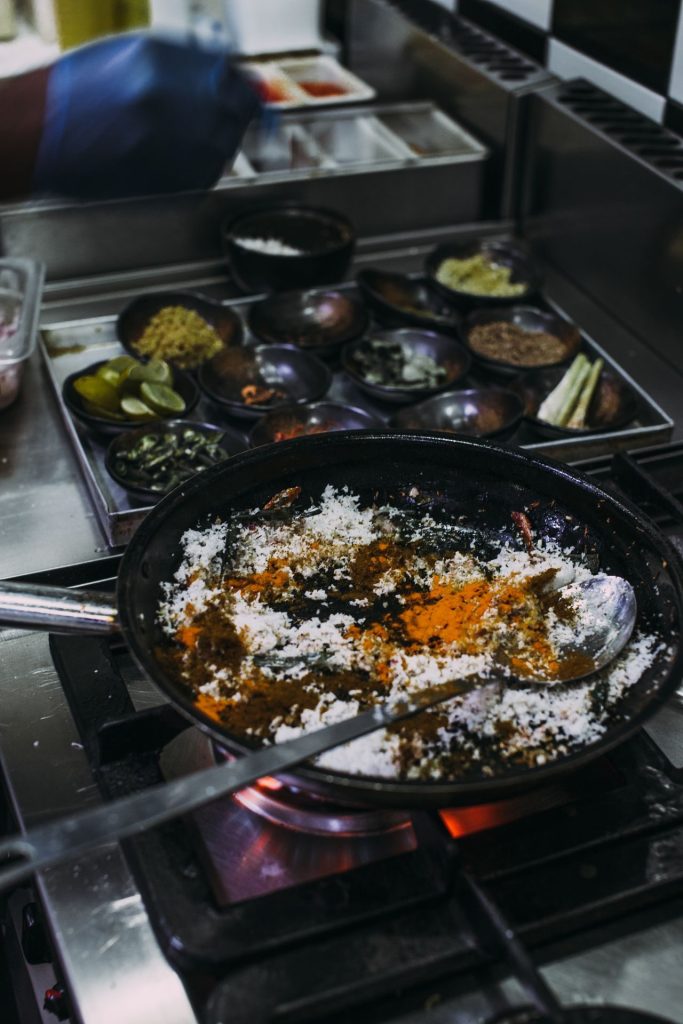
Manufacturer instructions for cast iron and enamelled pieces usually advise against leaving them on a still-hot zone for extended periods after cooking, because thermal shock or discoloration can occur. These limits apply equally when relying on residual heat rather than active power.
Recipe stages suited to residual finishing
Sauces that need reduction benefit from residual heat once they have reached a rolling simmer. The lower energy input prevents scorching at the base while evaporation continues. Delicate items such as fish fillets or vegetables can finish cooking without additional direct heat once they have been seared or blanched on active power.
Recipes that call for resting meat after searing can use the same principle. The pan is removed from the active zone or the zone is switched off, allowing carry-over cooking inside the meat while the surface temperature equalises. Timing must be checked against the target internal temperature rather than elapsed minutes alone.
Adjusting for hob response differences
Induction hobs reach temperature quickly but also lose surface heat rapidly once power stops. Any residual-heat step on induction therefore requires the pan to remain on the zone for the full intended period. Ceramic hobs cool more gradually, so the pan can sometimes be moved to a cooler part of the surface if the main zone is still too hot.
Multi-zone hobs allow one zone to be turned off while an adjacent zone at low power maintains a holding temperature. This arrangement extends the usable window without relying solely on stored heat.
Common timing errors and corrections
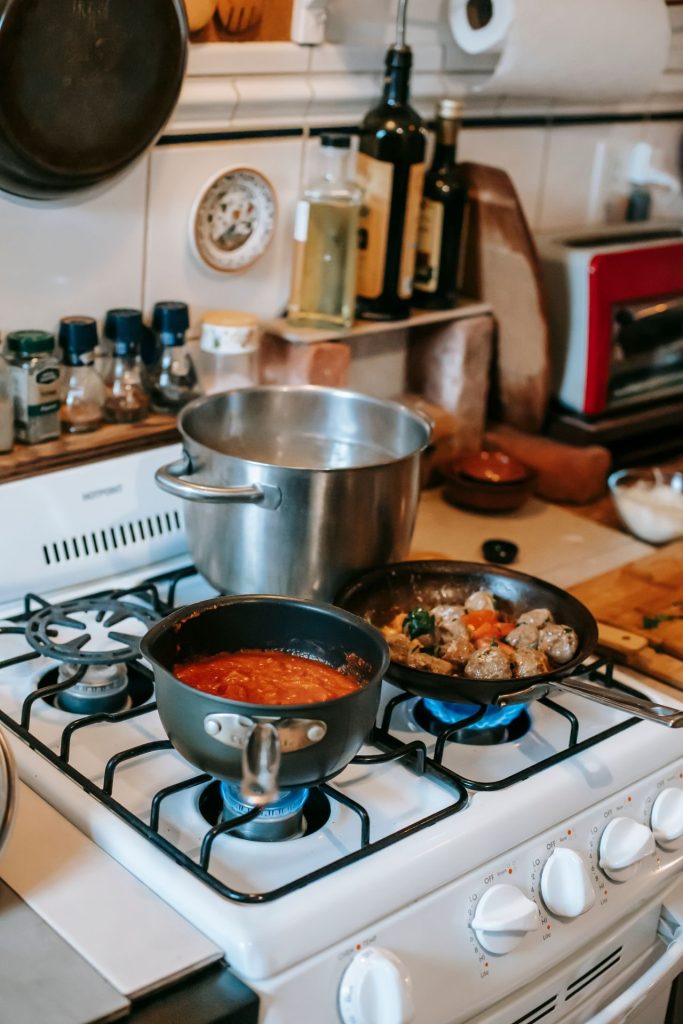
One frequent error is leaving the pan on the zone too long after the hob is switched off, resulting in continued boiling when a simmer was intended. The correction is to lift the pan briefly or move it to an unheated area of the surface as soon as the desired reduction or doneness is reached.
Another error occurs when cold ingredients are added during the residual phase. The temperature drop can exceed the remaining heat, leaving the dish undercooked. In such cases the hob must be returned to active low power rather than relying on residual warmth.
Safety and surface care considerations
Appliance manuals specify maximum surface temperatures and warn against placing empty pans on still-hot zones. These instructions apply during residual-heat use. Pans should not be left unattended once the hob is off, because the exact cooling rate is not visible.
Ceramic surfaces can retain enough heat to cause burns or to mark the glass if heavy pans are dragged across them. Induction zones cool faster but the pan base itself remains hot. Using dry cloths or dedicated pan rests avoids direct contact with skin or worktops.
Recording observations for repeated use
Keeping a short note of observed cooling times for the most frequently used pans and hob settings builds a practical reference. Record the previous power level, pan material, quantity of food and the time until the desired effect is achieved. Over several weeks these notes reduce guesswork when switching between recipes or when different household members use the same hob.
Manufacturer care guidance remains the primary source for material limits. Any routine developed from observation should stay within those published boundaries.