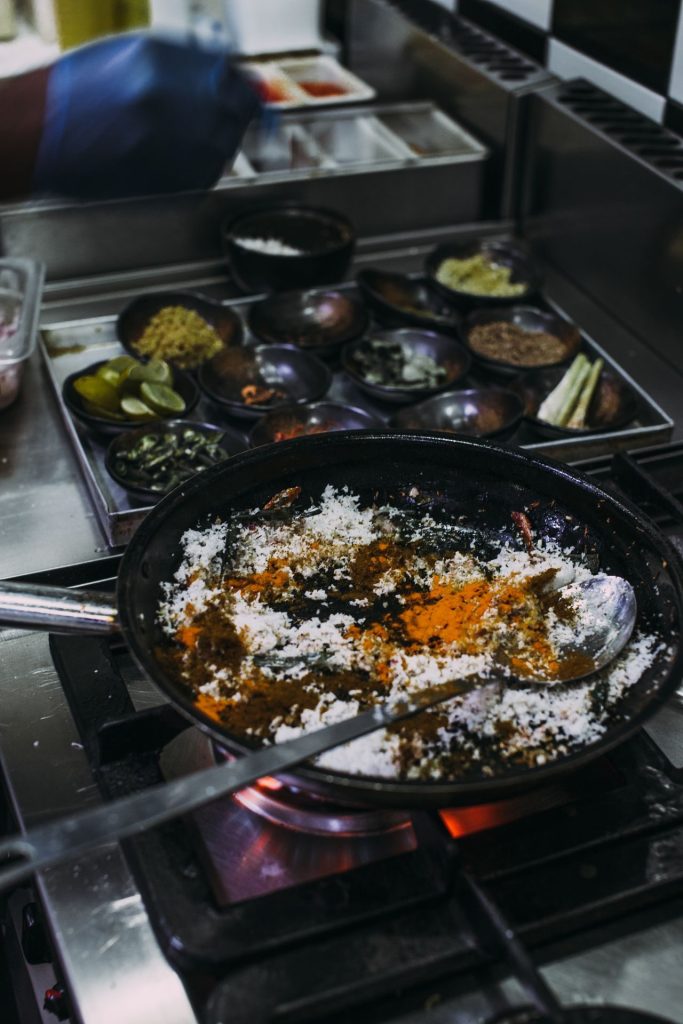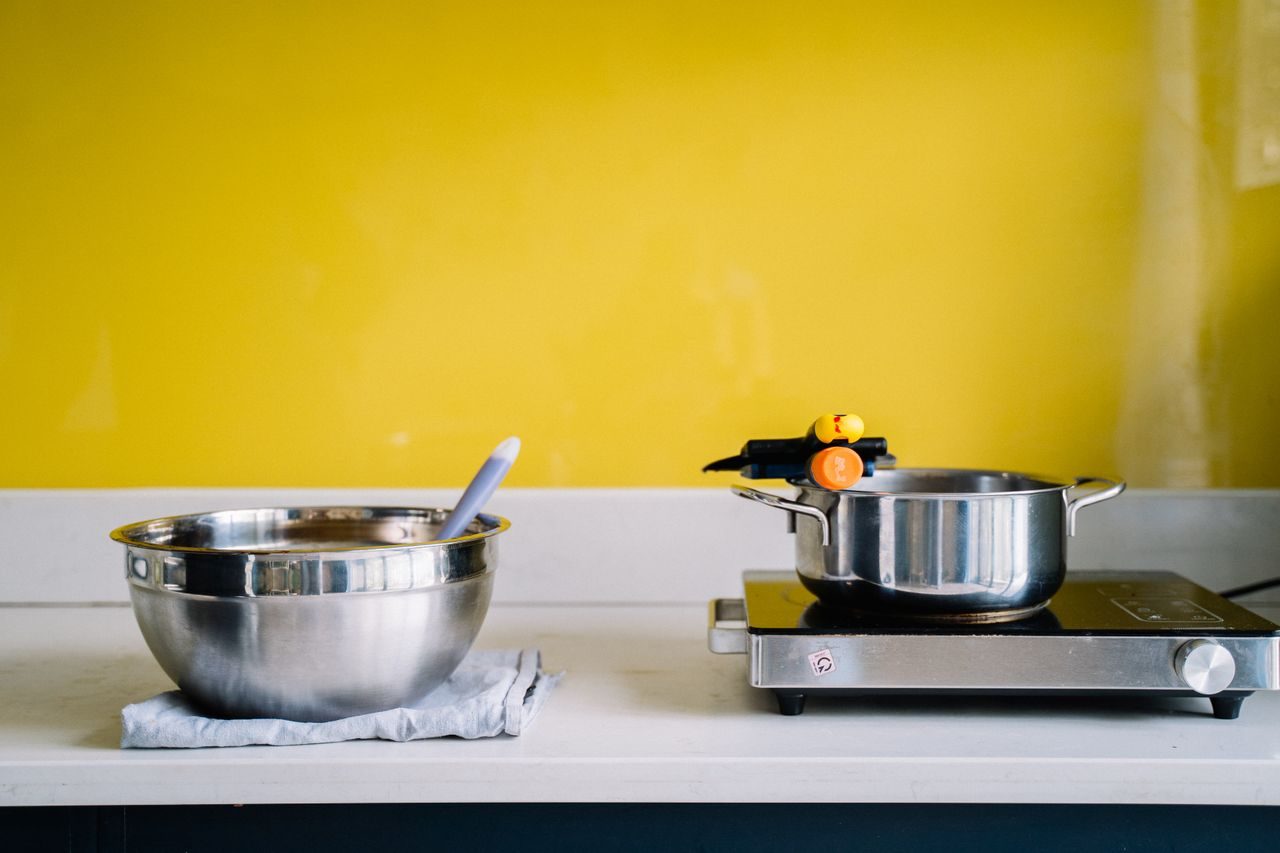
Switching between stainless steel and cast iron on one hob often requires changes to the heat setting and timing rather than keeping the same dial position. Stainless steel transfers heat quickly but loses it fast once the setting drops, while cast iron holds heat longer and takes more time to cool. These differences show up most clearly during simmering or when adding cold ingredients mid-cook. Checking the hob type and pan material before starting helps avoid over- or under-heating that leads to sticking or uneven results. Manufacturer manuals for both the appliance and the pans list the limits that apply to each combination, including recommended preheat times and maximum weights.
Day-to-day cooking on mixed hob types benefits from small checks before the pan goes on the ring. Confirm the base sits flat, note the hob type, and decide whether the first minutes need a higher or lower setting than the recipe states for the other material. On induction the base itself generates heat, so response depends on the metal’s magnetic properties and thickness. Ceramic hobs add a layer of glass that delays temperature change, while gas allows immediate flame adjustment but still needs the burner size matched to the base diameter. These factors determine how much recalibration is needed when moving from one pan to the other during the same meal preparation.
Heat response differences between materials
Stainless steel pans reach target temperature faster on induction because the base itself becomes the heat source. The thinner construction and lower thermal mass mean the surface temperature rises and falls within a minute or two of a setting change. Cast iron needs several minutes longer on the same setting before the cooking surface stabilises because its greater mass absorbs and releases energy gradually. On ceramic hobs the lag is greater still, since the element must heat the glass first and the glass then transfers heat to the pan base. Gas hobs allow immediate visual adjustment, yet the flame size must still match the pan base diameter to avoid heating the sides unevenly. Electric coil hobs sit between gas and ceramic in response speed. Checking the hob manual for recommended pan base diameters prevents the outer ring from staying hotter than the centre and creating hot spots that affect sauce consistency or egg cooking.
When switching materials mid-recipe the cook must allow for these different rates of temperature change. A stainless pan that has just reached a gentle simmer may drop below that level within seconds of lowering the setting, whereas cast iron will continue to supply heat from its stored energy for several minutes. This stored heat can cause food to continue cooking after the hob is turned down, which matters when preparing delicate items such as sauces or custards. Flatness of the base also influences contact and therefore speed of response; a slightly warped stainless base may heat more slowly than expected on ceramic or induction, narrowing the difference with cast iron. Regular inspection of the base for distortion helps maintain predictable behaviour across both materials.
Common setting errors during material changes
Keeping the same numeric setting when moving from stainless to cast iron often results in food catching on the base. The cast iron continues to climb in temperature after the stainless would have levelled off, so oil or butter may begin to smoke or proteins may adhere before the cook notices the change. Reducing the setting by one or two increments before the cast iron reaches full heat prevents this and keeps the cooking surface within the range needed for even browning. Conversely, lowering the setting too far when returning to stainless can cause sauces to stop simmering because stainless loses heat quickly through its thinner walls and lower mass. A short test with water shows whether the new setting maintains a gentle bubble without boiling dry, giving a reliable reference point for later adjustments during actual cooking.
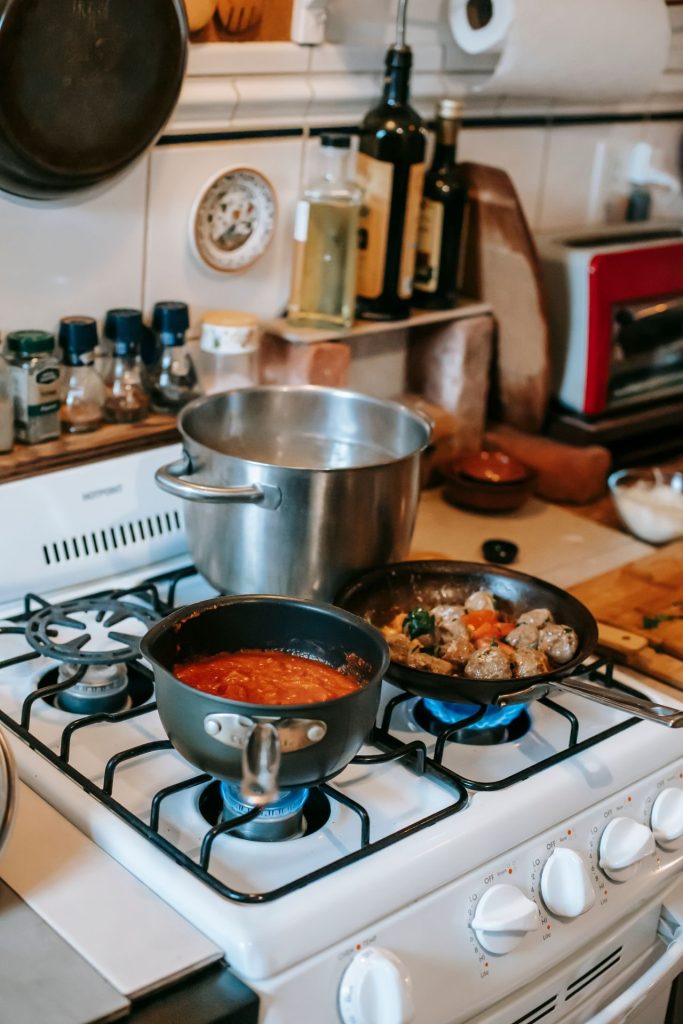
Another frequent error is ignoring the time lag when adding cold ingredients. Stainless steel temperature drops noticeably when food straight from the refrigerator is added, requiring an immediate increase in output to restore the previous level. Cast iron resists that drop because of its thermal mass, so the same addition may need little or no extra heat. Failing to account for this difference can leave one material simmering correctly while the other falls below the target, affecting cooking times and texture. Observing the first thirty seconds after addition provides the cue for any further recalibration without relying solely on the dial numbers.
Practical steps for each hob type
On induction, start cast iron at a medium level for three to four minutes before increasing. This gradual approach allows the thick base to absorb heat evenly and reduces the risk of thermal shock or hot spots. Stainless can move straight to the target setting once the base is dry because its lower mass responds immediately. Ceramic surfaces require an extra minute of preheating for both materials because the glass retains heat and transfers it more slowly. Users should also ensure the pan base fully covers the marked cooking zone to prevent the sensor from cycling on and off.
Gas users can begin with a low flame under cast iron and raise it once the base is warm to the touch at the edge. Stainless benefits from starting at the intended level and trimming only if the sides begin to colour, since its sides heat more readily than those of cast iron. In all cases the pan base must cover the active zone fully to avoid hot spots at the centre. On electric coil hobs the same principle applies, though the coil itself takes longer to cool than a gas flame, so downward adjustments must be made earlier than on gas. These steps remain consistent whether the recipe calls for searing, simmering or gentle warming.
Judging when the setting needs further change
Watch the behaviour of oil or butter rather than the dial alone. If the fat smokes sooner than expected, the cast iron has retained more heat than the stainless would have at the same setting. If the fat takes longer to loosen or spread, the hob output may need a small increase to compensate for the material difference. These visual cues provide immediate feedback without waiting for the food itself to show problems such as sticking or uneven colour.
Adding ingredients provides another checkpoint. Cold food lowers the pan temperature more noticeably in stainless than in cast iron. A brief pause with the lid on for thirty seconds often restores the simmer on stainless without raising the setting further. On cast iron the same pause may be unnecessary or even counterproductive if the retained heat is already sufficient. Judging the need for adjustment therefore depends on both the material in use and the temperature of the added ingredients, rather than a fixed rule applied to every pan.
Boundaries set by appliance and pan manuals
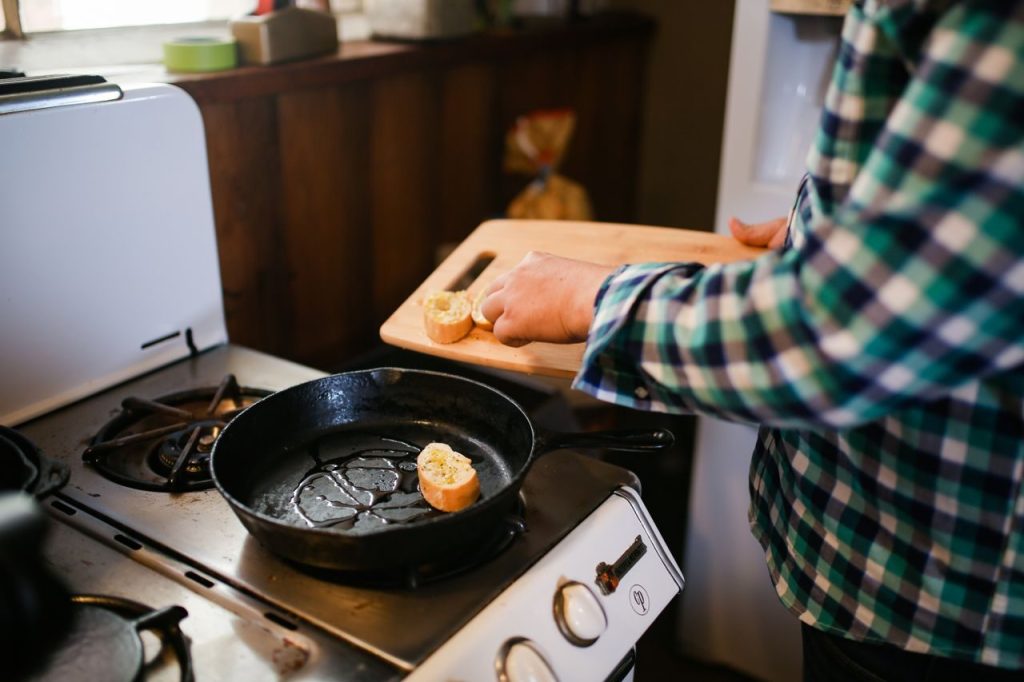
Appliance manuals state the maximum pan weight and base flatness required for each hob type. Cast iron often exceeds weight limits on older ceramic models, which can crack the glass over time when the pan is moved or dropped. Stainless pans with warped bases fail to trigger induction sensors correctly and may cause error codes or reduced power. Checking the stated limits before purchase or regular use prevents damage that no heat adjustment can repair.
Pan care instructions limit direct high-heat use on non-stick coatings regardless of hob type. Cast iron requires complete drying after washing to avoid rust, while stainless tolerates higher oven temperatures when lids are also rated for oven use. These limits remain the same whether the hob is gas or electric and apply equally when switching between materials during one cooking session. Ignoring them can shorten the useful life of either pan or the hob surface itself.
Storage and daily routine considerations
Keeping one stainless and one cast iron pan within easy reach reduces the temptation to use the wrong material for quick tasks. Both should sit on a flat surface between uses so the base stays true. Warped bases create uneven contact that no heat adjustment can fully correct and may lead to repeated setting changes that waste energy. Storing pans upside down or on edge can also distort lighter stainless bases over time.
Weekly checks of the hob surface for spills or residue keep heat transfer consistent. Ceramic and induction surfaces lose efficiency when crumbs sit between the pan and the glass, forcing higher settings to achieve the same result. Gas burners need occasional brushing to maintain even flame height across the base diameter. These small habits support predictable recalibration when switching materials and reduce the likelihood of common errors during everyday meal preparation.
These adjustments become routine once the cook notes the material in use and the hob response time before starting each meal. Consistent observation of oil behaviour, simmer rate and ingredient temperature provides reliable guidance without depending on trial and error for every switch.