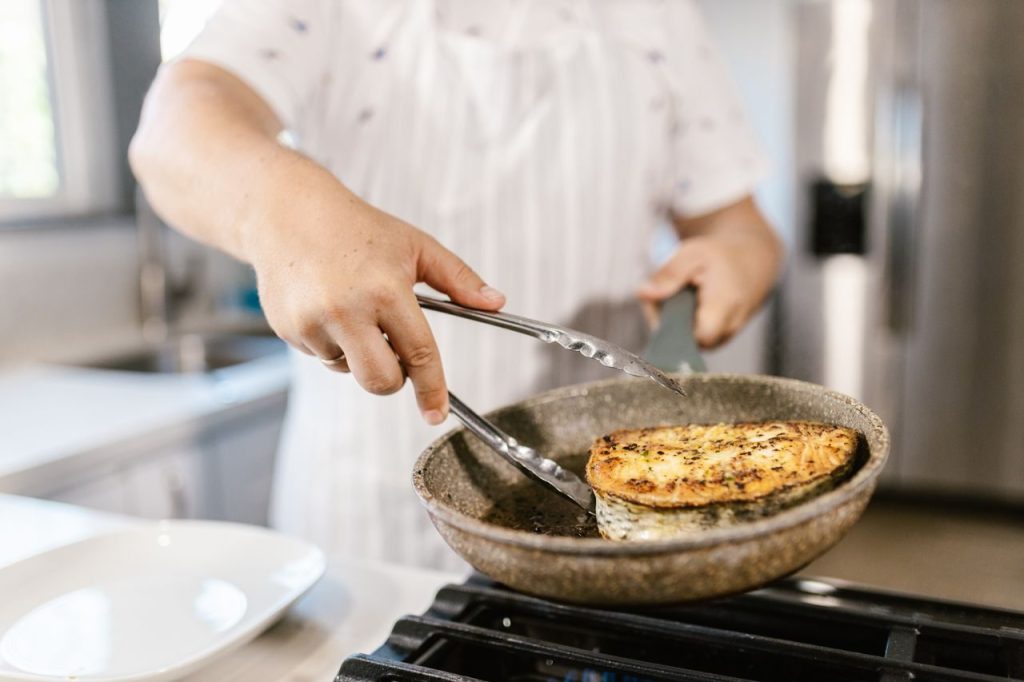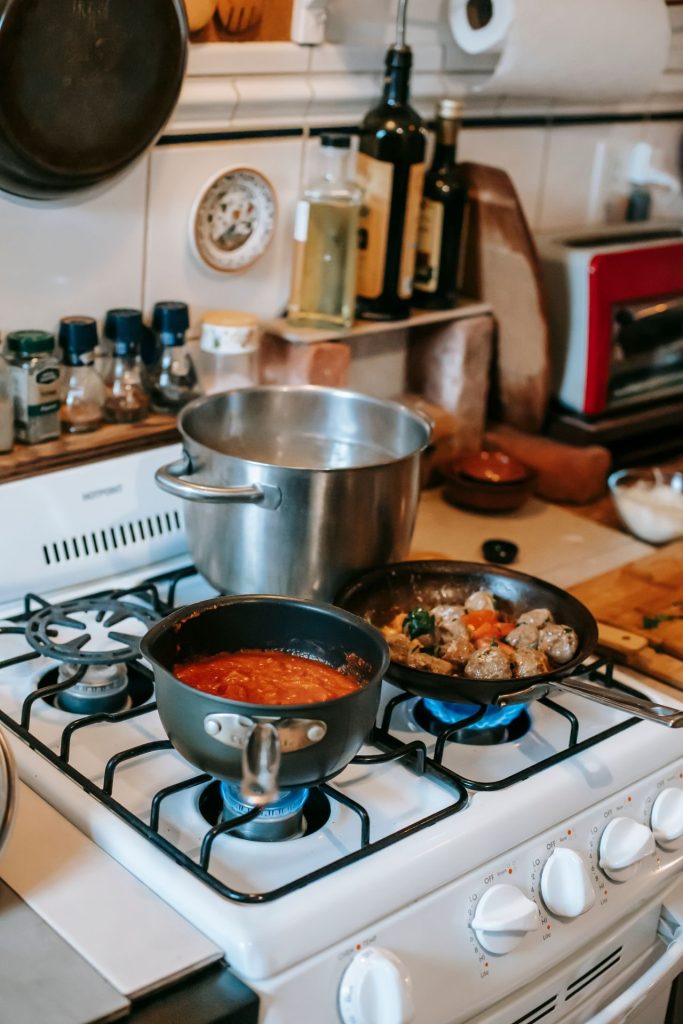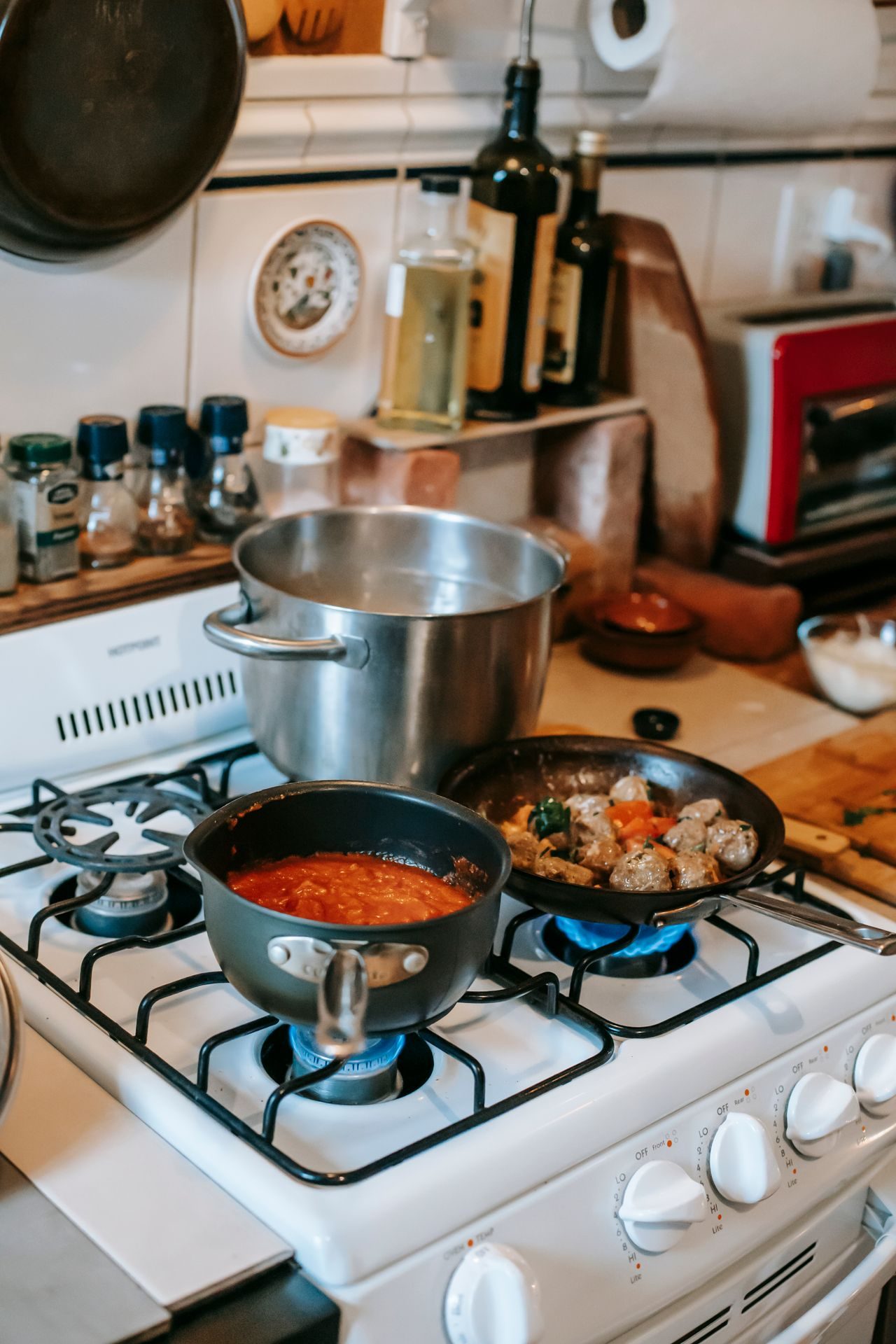
Many home cooks end up with pans that sit unused because the shapes do not match the volumes or techniques required for regular meals. Selecting pieces one at a time requires attention to capacity, base flatness and wall profile rather than visual uniformity.
Errors often arise when buyers copy catalogue images instead of measuring the space on their hob or the portions they actually cook. The following sections outline recurring problems and the practical checks that prevent them.
Overestimating or underestimating liquid capacity
A common error is choosing a saucepan by its rim diameter alone. Two pans with the same top measurement can hold quite different volumes once the side angle and base width are taken into account. Manufacturers list total capacity, yet the usable volume before liquid reaches the rim is usually 20 percent lower. Checking the marked fill line on the inside of the pan avoids boil-overs during simmering.
Another frequent misstep occurs with frying pans. A 28 cm model may look large, yet its shallow sides limit the amount of sauce that can be reduced without crowding the food. For tasks that begin with browning and finish with a small amount of liquid, a sauté pan with straight sides and a slightly larger base offers more control.
Ignoring base diameter relative to hob zones
Induction and ceramic hobs transfer heat efficiently only where the pan base makes direct contact. Selecting a pan whose base is narrower than the marked zone leaves an unheated ring around the edge, while an oversized base extends beyond the zone and receives uneven energy. Measuring the flat portion of the base with a ruler before purchase prevents both problems.
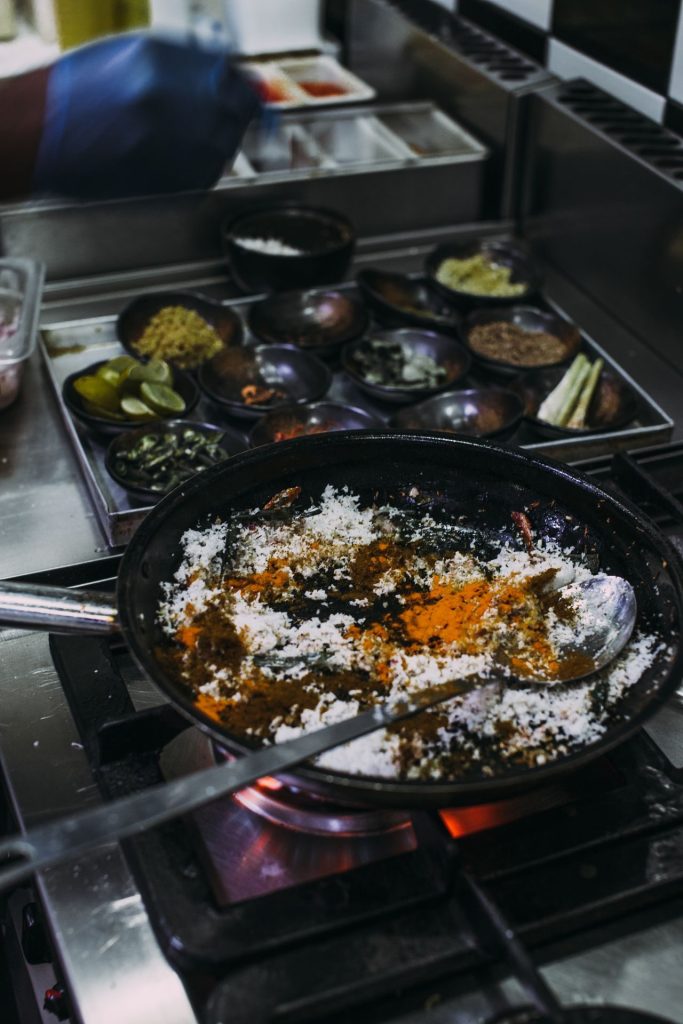
Gas hobs present the opposite issue. A pan base smaller than the burner grate allows flames to lick up the sides, wasting fuel and scorching handles. Matching the grate size to the pan base keeps heat concentrated where it is needed.
Choosing wall profiles that hinder stirring or reduction
Sloped sides in a frying pan make it easier to toss vegetables, yet the same slope reduces surface area for evaporation when a pan sauce is required. Straight-sided sauté pans keep liquids in contact with more of the base during reduction but can make turning delicate fish awkward. Keeping one of each profile covers both needs without duplication.
Deep stockpots with narrow openings retain heat well for long simmers, but they are inefficient for quick vegetable blanching because the water takes longer to return to the boil after ingredients are added. A wider, shallower pan suits the latter task.
Overlooking lid fit and oven compatibility
Lids are often bought as an afterthought. A lid that sits loosely allows excessive evaporation during covered simmering, while an overly tight lid can create pressure that lifts the lid or forces liquid out around the rim. Testing the lid on the pan before purchase confirms a stable fit.
Many recipes move a pan from hob to oven. Not every handle or lid knob is rated for oven temperatures above 180 °C. Checking the manufacturer’s guidance printed on the base or handle avoids damage when a dish is finished under a grill or in a moderate oven.
Adding single pans without reviewing existing storage and hob layout
Space on the hob and in cupboards is finite. Adding a new pan that requires a different storage orientation can force rearrangement of the entire collection. Measuring the depth and width of available shelf space before buying prevents the new piece from blocking access to more frequently used items.
Stacking dissimilar shapes also risks scratches on non-stick surfaces. Placing a protective cloth or pan protector between each piece maintains coatings without extra cupboard dividers.
Neglecting material behaviour during repeated heating and cooling
Stainless steel pans with aluminium or copper cores respond quickly to heat changes, yet they can show hot spots if the core does not extend fully to the edges. Cast iron retains heat long after the hob is turned off, which suits slow braises but can overcook delicate sauces if the pan is left on the hob. Matching the material’s thermal properties to the cooking method avoids these timing errors.
Enamelled cast iron requires gradual temperature changes to prevent crazing of the enamel. Placing a cold pan directly on a hot hob or adding cold liquid to a very hot interior shortens the life of the coating. Allowing the pan to adjust for a minute or two before full heat is applied preserves the surface.
Replacing pieces only when damage is obvious
Loose rivets, warped bases and worn non-stick coatings often go unnoticed until food begins to stick or heat distribution becomes patchy. Running a straight edge across the base reveals warping that affects contact with ceramic or induction hobs. Checking rivets for movement and examining coatings for dull patches or flaking indicates when replacement is necessary rather than continued use.
Manufacturer care instructions usually specify maximum hob settings and dishwasher suitability. Following those limits keeps pans serviceable for longer than repeated exposure to unsuitable conditions.