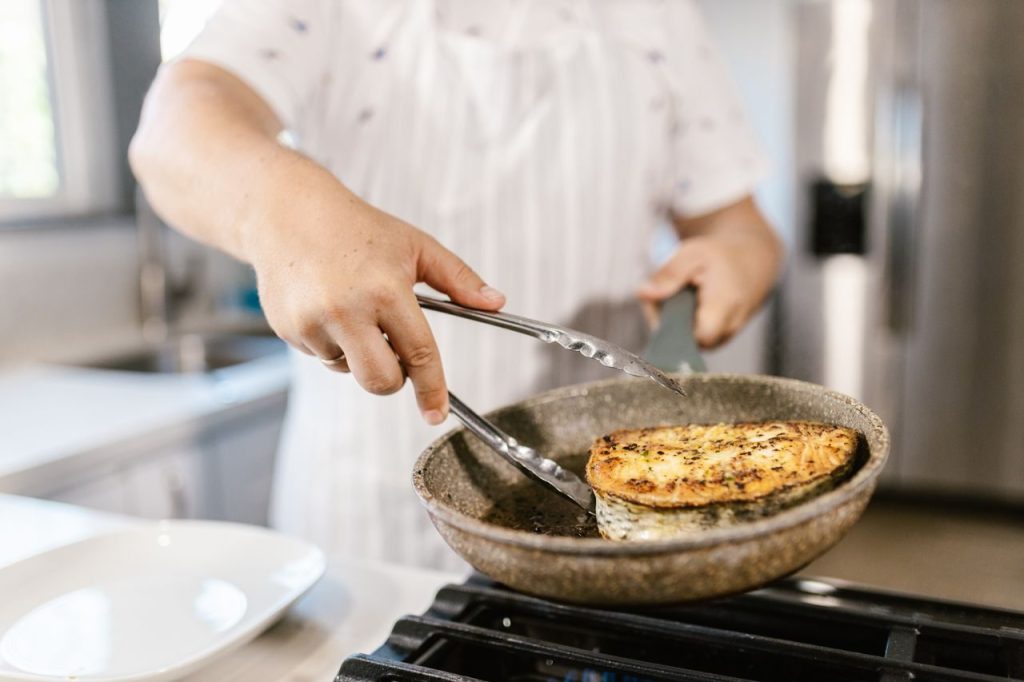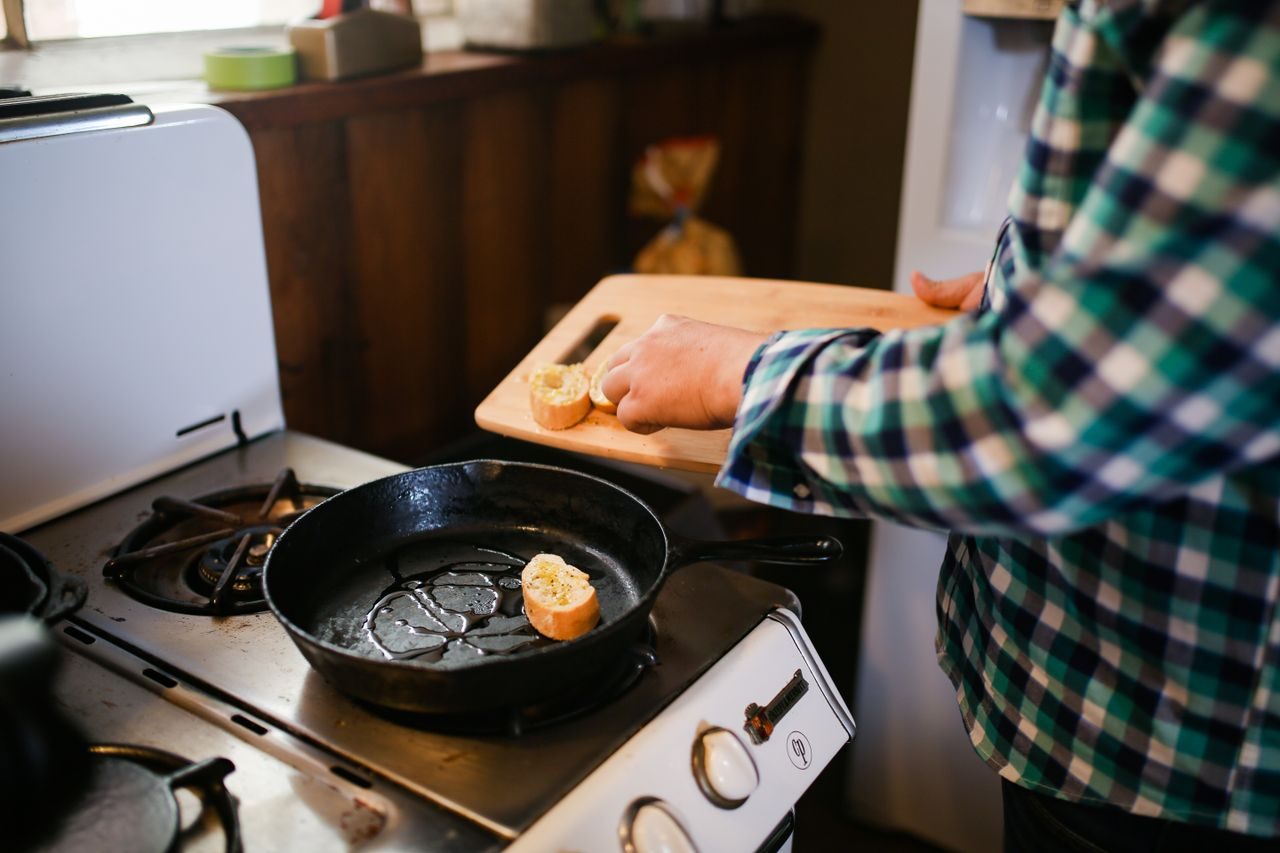
Readers often ask how to select pan shapes that fit routine cooking without accumulating unused pieces. Focusing on shapes that match frequent tasks, such as shallow frying pans for quick searing or deeper saucepans for reductions, allows owners to maintain fewer items while meeting daily needs. This approach also ties directly into material care, because each shape influences how easily surfaces can be cleaned and stored without damage.
Long-term use depends on matching the geometry of a pan to both the cooking method and the upkeep it requires. A wide, low-sided frying pan, for example, exposes more surface area during washing and drying, which affects how residue is removed from stainless or non-stick finishes. Considering these factors at the selection stage reduces the chance of premature wear on pieces kept for years.
Matching shape geometry to common cleaning access points
Wide, open frying pans allow direct wiping of the base and sides after each use, which suits stainless steel that benefits from prompt removal of cooked-on residues. Narrower saucepans with taller sides require brushes or dedicated tools to reach the bottom corners, so owners must check that the chosen shape permits thorough cleaning without abrasive pads that could alter the interior.
Handles positioned on the side rather than over the rim can simplify drying and storage for cast-iron pieces, because moisture does not pool against the metal. Selecting shapes with this feature from the outset supports the drying step that manufacturers specify for cast iron to prevent oxidation.
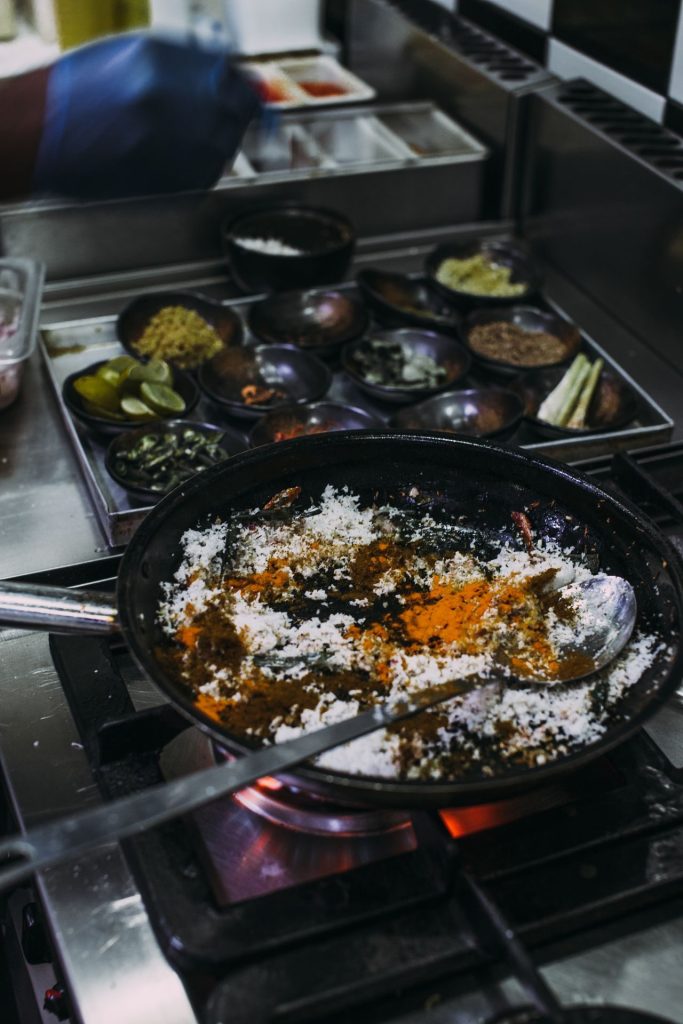
Storage arrangements that protect edges and bases
Stacking pans of different diameters creates contact points that may scratch enamel or non-stick coatings over repeated cycles. Using vertical storage racks or hanging hooks keeps each shape separate and reduces the need to lift heavy items from deep cupboards. This arrangement also makes it easier to select the correct pan for the task without disturbing others.
Lids stored separately from their pans prevent pressure on the rim that could deform thin metal over time. Flat or slightly domed lids for sauté pans fit into slim slots, while glass lids benefit from padded dividers to avoid chips. Planning storage at the time of purchase helps maintain the fit and seal that manufacturers design into each shape.
Heat distribution habits tied to base width
Base diameter influences how quickly a pan reaches cooking temperature and how evenly heat spreads across the cooking surface. A pan with a base matched to the hob zone reduces the time spent at high settings, which in turn limits thermal stress on the material. Manufacturers of ceramic and induction hobs note that oversized bases can create hot spots at the edges, accelerating wear on coatings.
Owners can adjust portion sizes to the actual base area rather than filling to the rim. This practice keeps food in contact with the heated zone and avoids the need for excessive stirring that might abrade the interior. Over repeated meals, the habit preserves the surface finish listed in care instructions.
Rotation between shapes to balance surface exposure
Using a dedicated omelette pan only for eggs and a separate frying pan for meat reduces cross-contamination of residues and allows each surface to rest between uses. This rotation extends the interval between deep cleans that manufacturers recommend for non-stick finishes. Keeping a simple log of which pan served which task helps identify when one shape is overused.
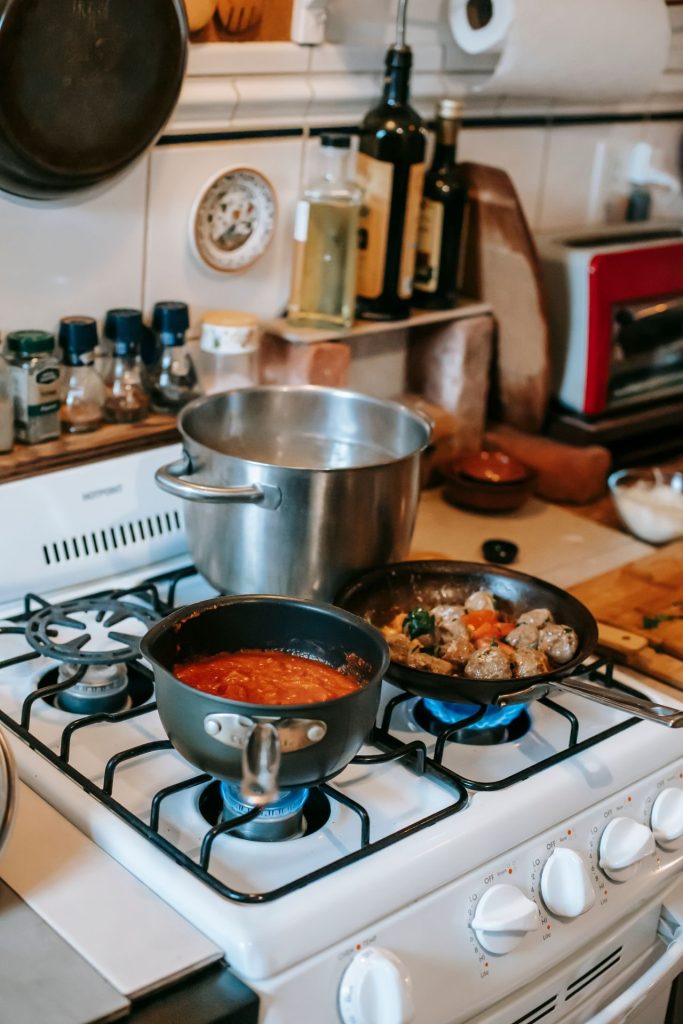
Cast-iron grill pans with raised ridges require seasoning after each acidic preparation, while flat stainless pans tolerate more frequent washing. Assigning tasks according to these differences prevents one piece from receiving repeated treatments that exceed its material limits.
Inspecting wear at points specific to shape
Curved sides on sauté pans concentrate wear near the handle junction where stirring occurs most. Checking this area monthly for coating loss or metal discoloration follows the inspection points suggested in many appliance manuals. Early detection allows owners to adjust technique, such as using wooden utensils, before the surface requires replacement.
Flat bases on frying pans can develop subtle warping visible when placed on a level worktop. Placing a straight edge across the base reveals gaps that affect contact with ceramic hobs. Recording these observations over months provides a practical record without relying on external testing.
Adjusting portion planning to existing pan capacities
Recipes written for larger sets can be scaled by measuring the actual liquid capacity of owned saucepans rather than assuming standard volumes. Filling a pan to two-thirds capacity leaves room for stirring without overflow and reduces the frequency of transfers between vessels. This adjustment aligns with food-safety guidance on cooling rates for smaller batches.
Owners who note the usable depth of each shape can plan weekly meals around those limits, avoiding the purchase of additional pieces solely to match printed recipe quantities. Over time the practice reinforces the value of a compact selection chosen for task fit rather than completeness.