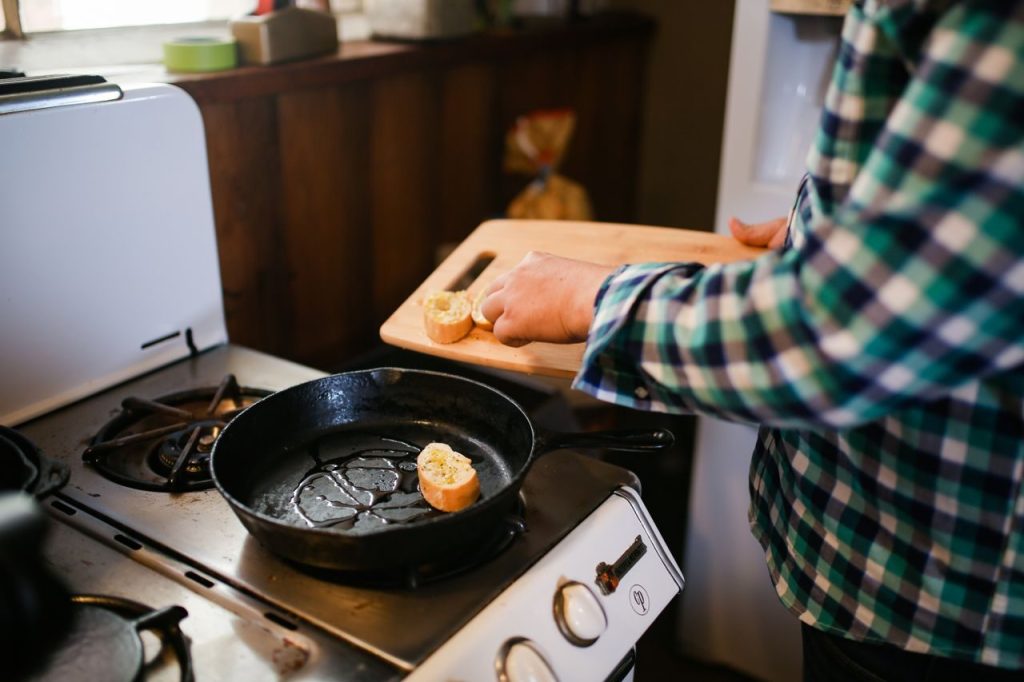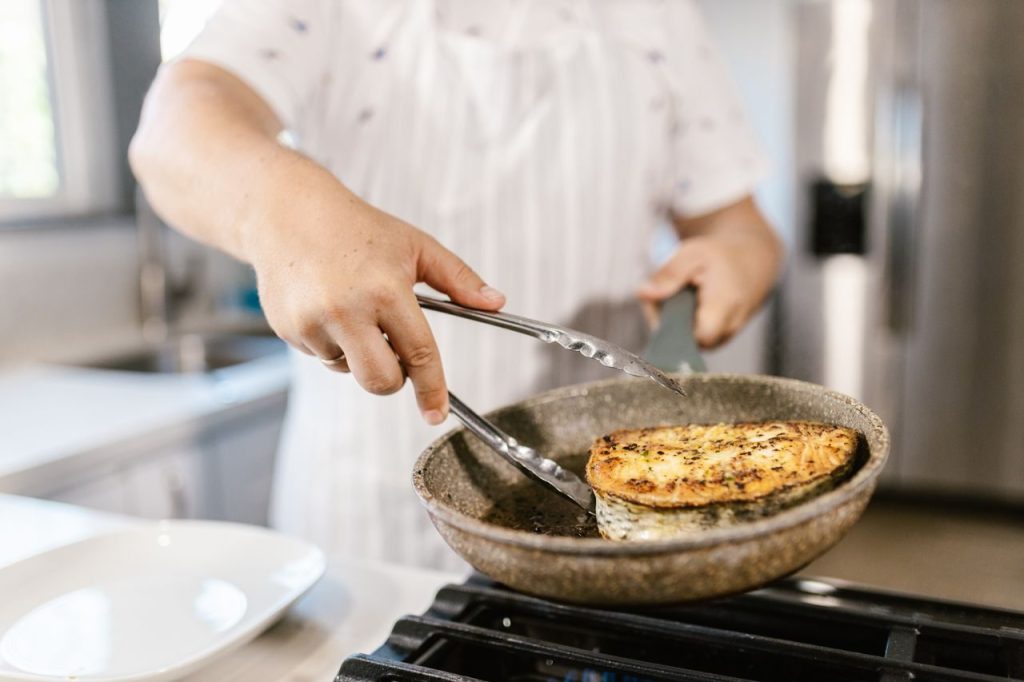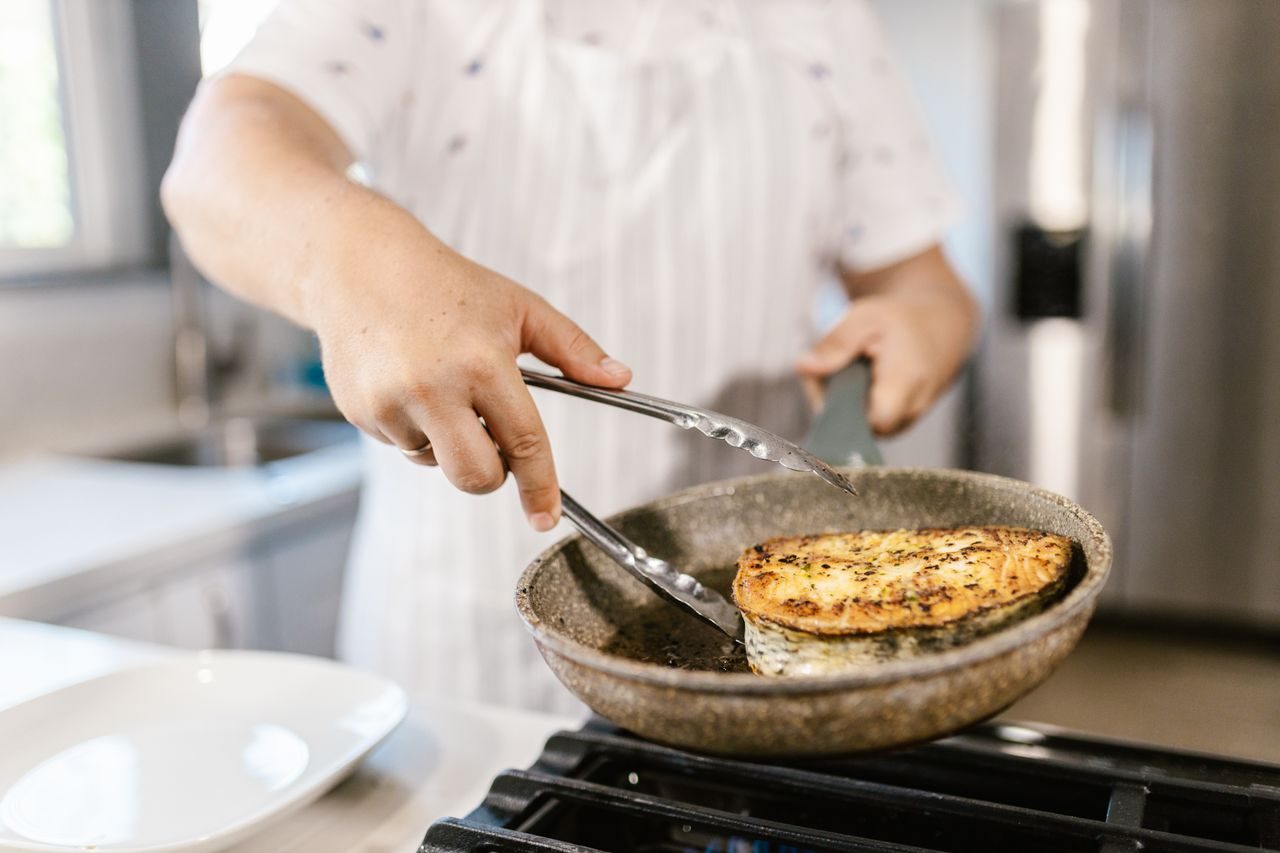
Selecting pans by base diameter rather than as part of a matching set helps avoid unused pieces that take up cupboard space. Many cooks start with the pans already owned and add only those shapes that fit the hob zones in regular use. This approach keeps the collection practical for everyday meals without excess items that rarely leave the shelf.
Errors often arise when base size is judged by eye or by the overall pan width shown in product images. Checking the actual contact area against the hob markings prevents uneven heating and wasted energy. Manufacturers list the precise base measurement in their specifications, and comparing this figure to the hob zone diameter provides a reliable starting point for any addition to the cupboard.
Measuring the usable base before purchase
Manufacturer specifications list the base diameter that touches the hob. This measurement excludes any flared rim or curved transition. Placing a ruler across the flat portion of the base gives the figure to compare with the hob zone diameter. The process takes only a minute yet prevents later frustration when a pan fails to heat evenly or triggers error messages on induction models. Recording the measurement alongside notes on material and intended use creates a simple reference that guides future choices without relying on memory alone.
Visual estimation from packaging photographs frequently leads to over- or under-sizing. A pan described as 24 cm may refer to the top rim rather than the contact surface, so confirming the base figure directly from the product data sheet or by measuring an existing similar pan removes uncertainty. This step applies equally to stainless steel, cast iron and non-stick surfaces, although the weight of cast iron makes handling during measurement easier on a stable work surface. Keeping a small notebook or phone note of current diameters avoids duplicate purchases when space is limited.
Matching diameter to hob type
Gas burners allow more flexibility because the flame pattern can be adjusted. Even so, a base that extends well beyond the grate supports risks warping from uneven expansion. Cast-iron and stainless-steel pans behave differently under these conditions, so the same diameter rule does not apply equally to every material. Checking the hob manual for recommended maximum overhang provides the boundary within which safe operation remains possible without accelerated wear on the pan base.
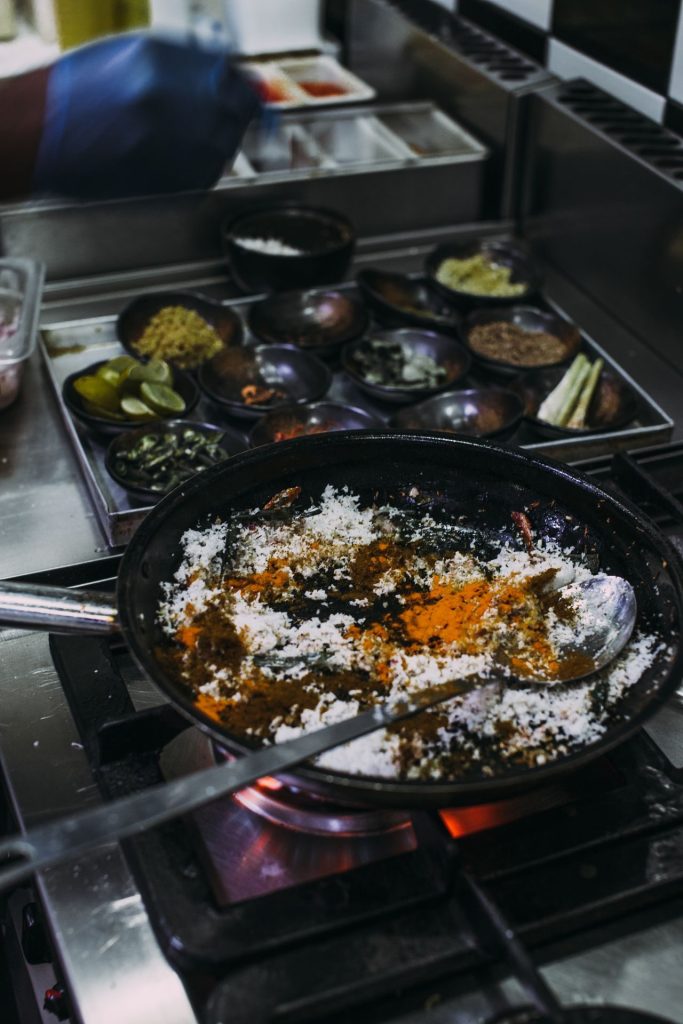
Ceramic hobs mark zones clearly. Using a pan whose base matches the marked circle keeps heat within the intended area and reduces stress on the glass surface. Induction hobs add the further requirement that the base must be ferrous; diameter alone is not sufficient if the material fails the magnet test. In both cases the appliance instructions state the minimum coverage needed for reliable sensor activation, and following those limits prevents cycling that wastes energy and produces inconsistent results across the cooking surface.
Errors with small saucepans on large zones
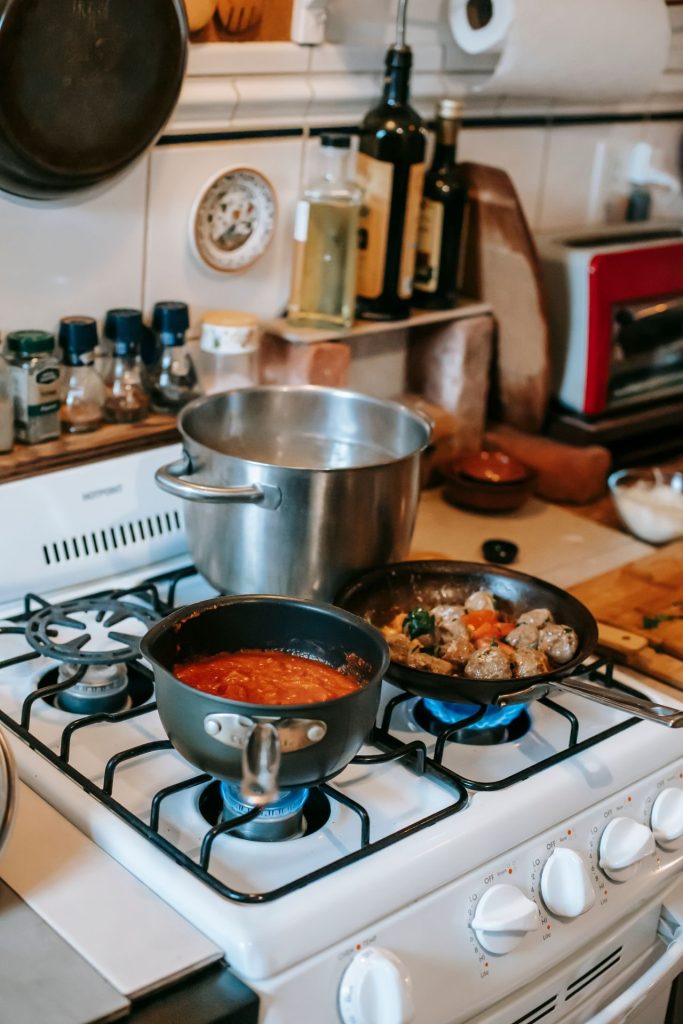
A 14 cm base on a 21 cm zone is a frequent mismatch. The hob may not register the pan or will cycle on and off, producing fluctuating temperatures. For simmering small volumes of sauce this leads to scorching at the edges while the centre remains under-heated. The remedy lies in selecting a saucepan whose base sits fully within the smallest available zone or, where only larger zones exist, confirming with the hob manufacturer whether a heat diffuser is compatible with the specific model and pan material.
Another common oversight occurs when cooks assume any pan smaller than the zone can simply be centred. On induction hobs the sensor often requires near-complete coverage before power engages, so partial overlap results in no heat at all. Ceramic surfaces tolerate slight undersizing better yet still create temperature gradients that affect delicate sauces. The practical test is to place the empty pan on the zone and observe whether the display responds promptly at a low setting; if activation fails or heat concentrates in one area, the diameter is unsuitable for that zone.
Over-sizing frying pans for single portions
A 28 cm base spreads a single chicken breast or two eggs too thinly. The exposed metal heats faster than the food can absorb the energy, raising the risk of hot spots. Reducing the heat setting compensates only partly; the pan still takes longer to reach a stable temperature across its full area. Choosing instead a 20 cm or 22 cm base keeps food in closer contact with the heated surface and aligns better with standard two-portion recipes that do not require constant stirring.
The same oversizing error appears when a large frying pan is used for reheating leftovers. The empty perimeter draws heat away from the food, extending the time needed to reach serving temperature. Manufacturers note in their care guides that even heat distribution depends on the base remaining in full contact with the heat source; any significant mismatch violates this condition. Matching the base to the portion size therefore improves both energy use and cooking consistency without requiring additional equipment.
Side height and evaporation control
Base diameter affects heat input; side height affects how quickly liquid reduces. Straight-sided pans of the same base diameter lose moisture more slowly than sloped sauté shapes. Selecting the wrong profile for a reduction task forces either early lid use or constant topping-up. Checking recipe volume against the pan’s stated capacity before starting prevents mid-cook adjustments that alter the intended flavour concentration.
Manufacturers state maximum oven temperatures and hob compatibility in their care guides. These limits remain valid regardless of whether the pan was bought individually or as part of a set. When a recipe calls for both hob and oven stages, confirming that the chosen diameter and height combination fits the oven shelf spacing avoids last-minute substitutions. Straight sides also simplify stacking during storage, an advantage when cupboard space restricts the total number of pans kept in daily rotation.
Storage considerations for mixed diameters
Pans with differing base sizes stack less neatly than uniform sets. Placing felt separators between bases prevents scratches on stainless or non-stick surfaces. Lids stored upright in a separate rack keep the collection accessible without stacking weight on lighter pieces. Regular inspection of base flatness with a straight edge reveals warping that would otherwise cause rocking and uneven contact on ceramic or induction hobs.
Keeping a simple list of measured diameters inside the cupboard door supports decisions about whether a new pan fills a genuine gap. The list also highlights when two pans share nearly identical bases, signalling that one may be redundant for routine tasks. Material-specific care instructions remain the authoritative source for cleaning and storage methods; these instructions differ between stainless steel, cast iron and non-stick coatings and should be followed even when diameters vary within the same collection.
Warped bases not only impair heat transfer but can also damage ceramic hob surfaces over time through repeated rocking. A quick visual check before each use, combined with the recorded diameter list, reduces the chance of selecting an unsuitable pan for a given zone. When replacement becomes necessary, the same measurement process used at purchase ensures the new piece integrates smoothly with existing hob zones and storage arrangements.