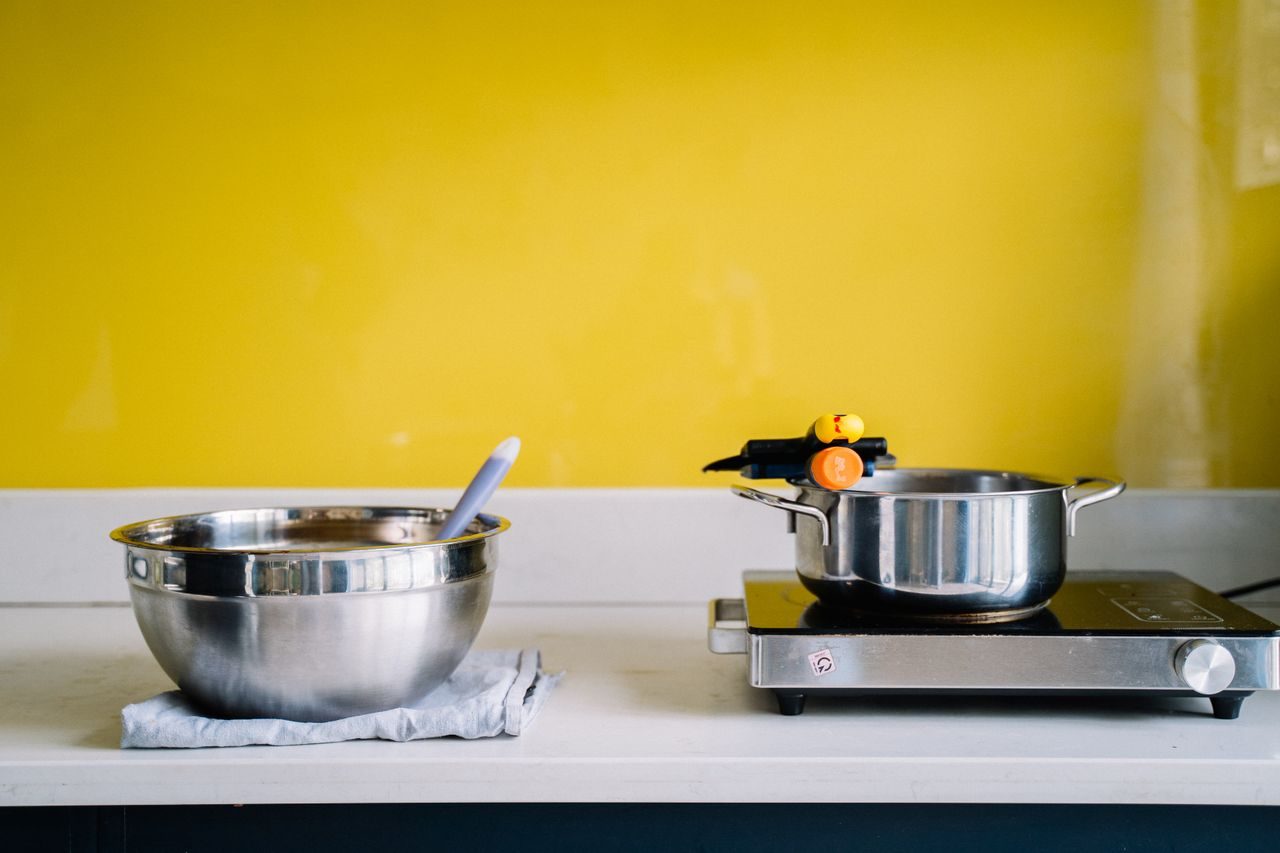
Selecting cookware materials for repeated daily use requires attention to how each type handles cycles of heating and cooling. Manufacturers specify limits for thermal shock, maximum temperatures and hob compatibility in their care instructions. These limits determine which materials remain reliable for tasks such as reducing liquids or browning meat over successive meals. Home cooks benefit from checking appliance manuals before combining materials with particular hob types, because mismatched pairings can shorten service life or produce uneven results during ordinary weeknight preparation.
Long-term performance depends on matching material properties to the frequency of high-heat or acidic cooking rather than assuming uniform behaviour across all pans. Appliance manuals for ceramic and induction hobs list compatible base types and warn against sudden temperature changes that can warp or crack surfaces. Regular observation of pan condition after each use helps identify early signs of distortion or coating wear before they affect cooking consistency.
Stainless steel under frequent temperature shifts
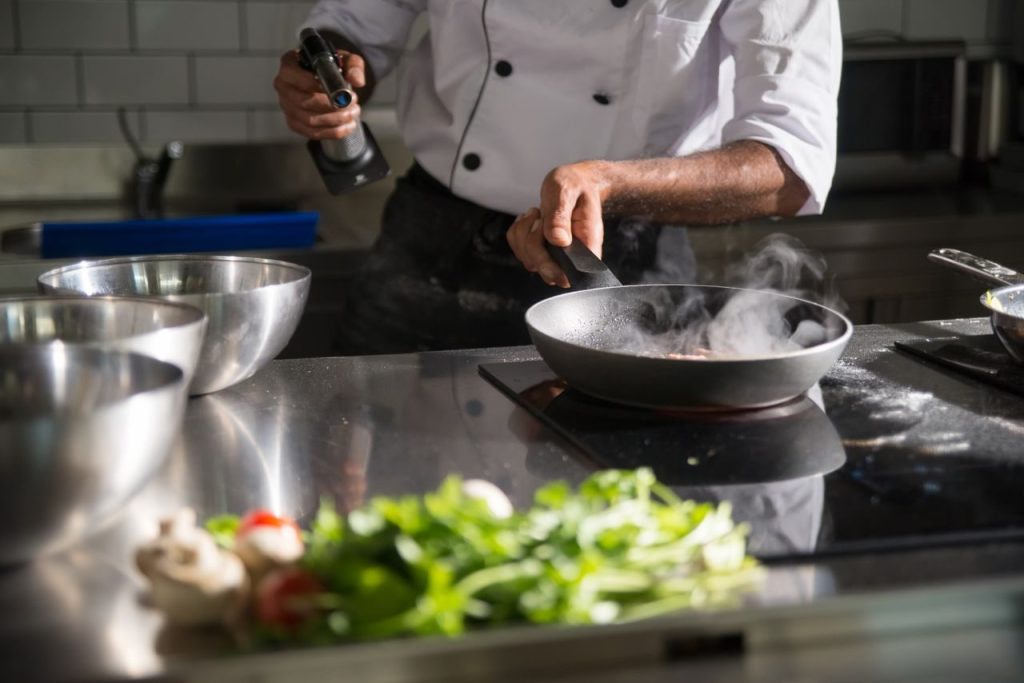
Stainless steel pans tolerate repeated heating to frying temperatures provided the base remains flat. Manufacturer guidelines indicate that warping occurs when cold water contacts a hot empty pan or when the hob setting exceeds the recommended maximum. Daily users therefore allow gradual cooling before washing and avoid stacking hot pans directly on cold surfaces. Checking the base with a straight edge after several months of use reveals any gradual distortion that might otherwise go unnoticed during routine cooking.
Acidic ingredients such as tomatoes or vinegar can be cooked in stainless steel without adverse reaction when the chromium content meets food-contact standards. Care instructions advise prompt removal of acidic residues after cooking to prevent surface discolouration over months of use. A common error is leaving sauces to cool completely in the pan, which can produce stubborn stains that require abrasive cleaning and risk micro-scratches on the interior.
Cast iron seasoning maintenance
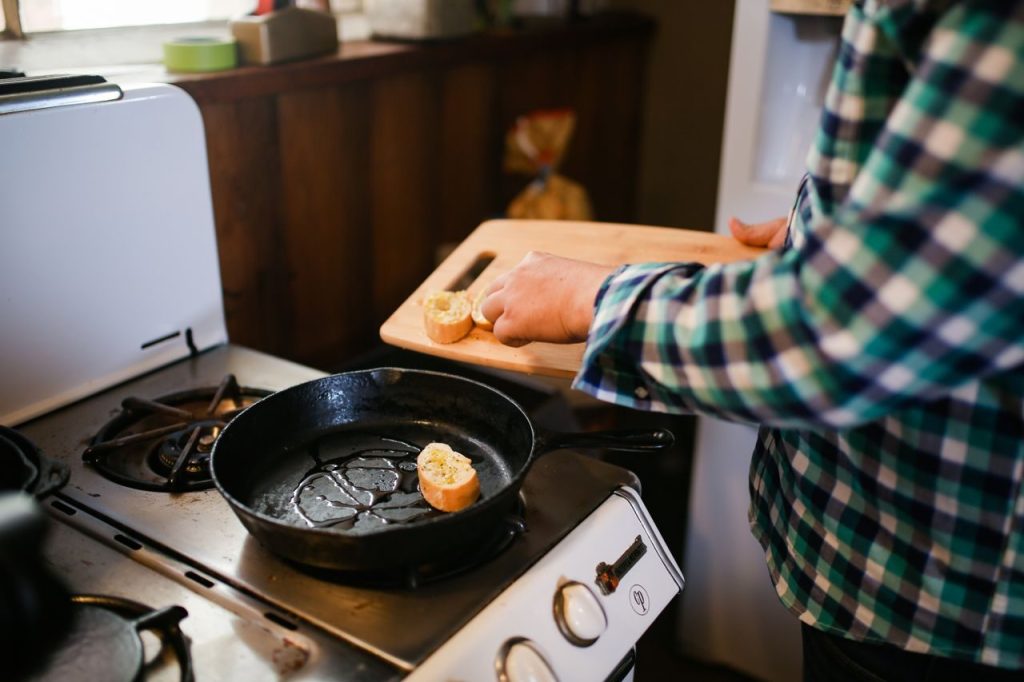
Cast iron requires periodic re-seasoning to maintain a protective layer that prevents rust during storage between uses. Appliance manuals note that cast iron can be used on induction hobs once the base is confirmed flat, yet advise against thermal shock from plunging hot pans into cold water. Re-seasoning involves applying a thin layer of oil and heating the pan until it smokes lightly, then allowing it to cool slowly; this process restores the surface after acidic dishes or dishwasher exposure, both of which manufacturers generally discourage.
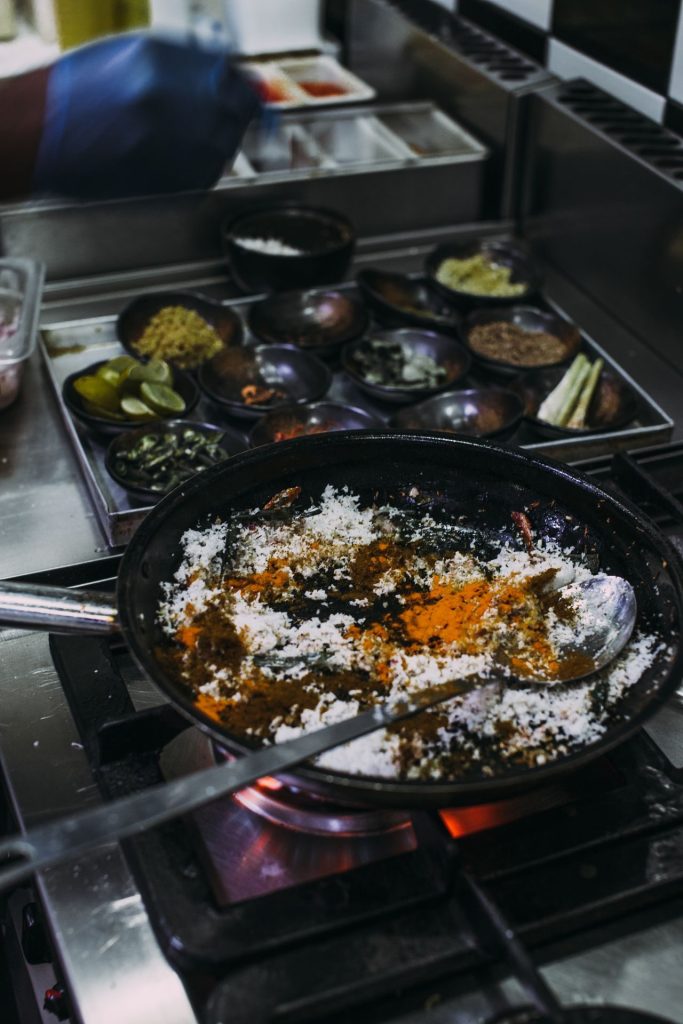
For tasks involving long simmering, cast iron retains heat after the hob is turned off, allowing residual cooking without additional energy. Care routines specify drying immediately after washing and applying a thin oil layer before cupboard storage to support continued daily service. Overlooking the drying step often leads to rust spots that require extra scrubbing and repeated seasoning, interrupting normal meal preparation schedules.
Non-stick coatings and heat limits
Non-stick surfaces carry manufacturer temperature ceilings, typically below the point where coatings begin to degrade. Hob manuals list compatible settings and warn against preheating empty pans on high power, which shortens coating life during everyday frying or egg cooking. Users can judge remaining performance by observing whether food begins to stick in the centre after several months; at that stage, lowering the heat earlier in the process often extends usability until replacement becomes necessary.
Metal utensils are excluded from care instructions because they scratch the surface, reducing non-stick performance over repeated meals. Replacement is indicated when visible scoring appears rather than by any fixed time interval. A frequent mistake is using non-stick pans for high-heat searing of meat, which exceeds the coating tolerance and produces fumes while accelerating wear.
Aluminium conductivity considerations
Aluminium pans conduct heat quickly, suiting tasks that require fast temperature response such as reducing small volumes of liquid. Manufacturer data sheets specify anodised finishes for improved durability against acidic sauces and recommend avoiding dishwasher cycles unless explicitly stated as safe. When selecting aluminium for daily sauces, the presence of an anodised layer provides a practical boundary condition: uncoated pans react with tomatoes or citrus and should be reserved for neutral preparations only.
Base thickness affects how evenly heat distributes during multi-stage cooking. Thinner aluminium may develop hot spots when used on ceramic hobs, prompting users to select medium settings and stir more frequently according to appliance guidance. A common error is assuming all aluminium behaves identically; disc-base versus fully clad constructions differ in heat-up time and should be matched to portion size to avoid scorching smaller batches.
Copper reactivity and lining checks
Copper requires a tin or stainless lining for direct food contact because the metal reacts with acidic ingredients. Periodic inspection of the lining for wear follows manufacturer recommendations before continued use in sauce preparation. When the lining shows thinning or exposed copper, the pan should be retired from acidic cooking to maintain food safety standards outlined in general hygiene guidance.
High thermal conductivity allows precise control during delicate reductions, yet care instructions limit exposure to high heat without liquid to prevent lining damage. Storage upright or with separators prevents dents that alter heat transfer over time. Users sometimes overlook gradual lining erosion because it occurs slowly; regular visual checks under good light help detect changes before they affect flavour in repeated use.
Glass and ceramic thermal shock resistance
Glass and ceramic cookware carry explicit warnings against rapid temperature changes in both hob and oven manuals. These materials suit oven-to-table tasks but require preheating with the oven rather than placement into a hot chamber. Applying this rule consistently prevents cracking that would otherwise render the item unusable for future meals.
Daily cleaning involves mild detergents only, as abrasive pads can create micro-abrasions that weaken the surface against future heating cycles. Storage away from heavy items prevents chipping that compromises structural integrity. A frequent oversight is stacking glass lids inside one another without padding, which leads to edge damage that becomes apparent only when the lid fails to seal during simmering.
Storage practices that protect material condition
Mixed-material collections benefit from separation by weight and surface type. Manufacturer advice commonly recommends padding between cast iron and lighter pans to avoid scratches that affect cooking performance. Organising pans by frequency of use further reduces unnecessary handling of delicate coatings or polished finishes during everyday retrieval.
Moisture removal before storage reduces corrosion risk for iron-containing metals. Ventilation in the cupboard prevents condensation that could affect non-stick coatings or stainless finishes during periods of infrequent use. Checking cupboard humidity seasonally helps maintain consistent conditions, especially in kitchens where steam from cooking lingers near storage areas.
Consistent adherence to these material-specific routines supports reliable performance across repeated daily tasks without requiring frequent replacement. Matching each pan to its intended cooking method and hob type from the outset reduces cumulative stress and extends service life under ordinary household conditions.