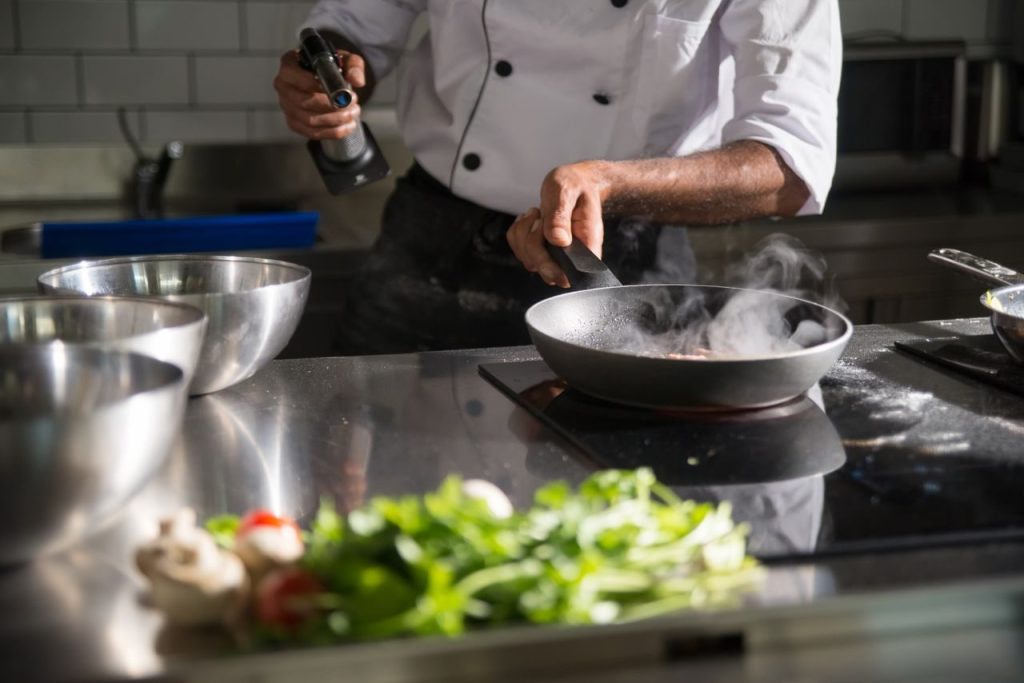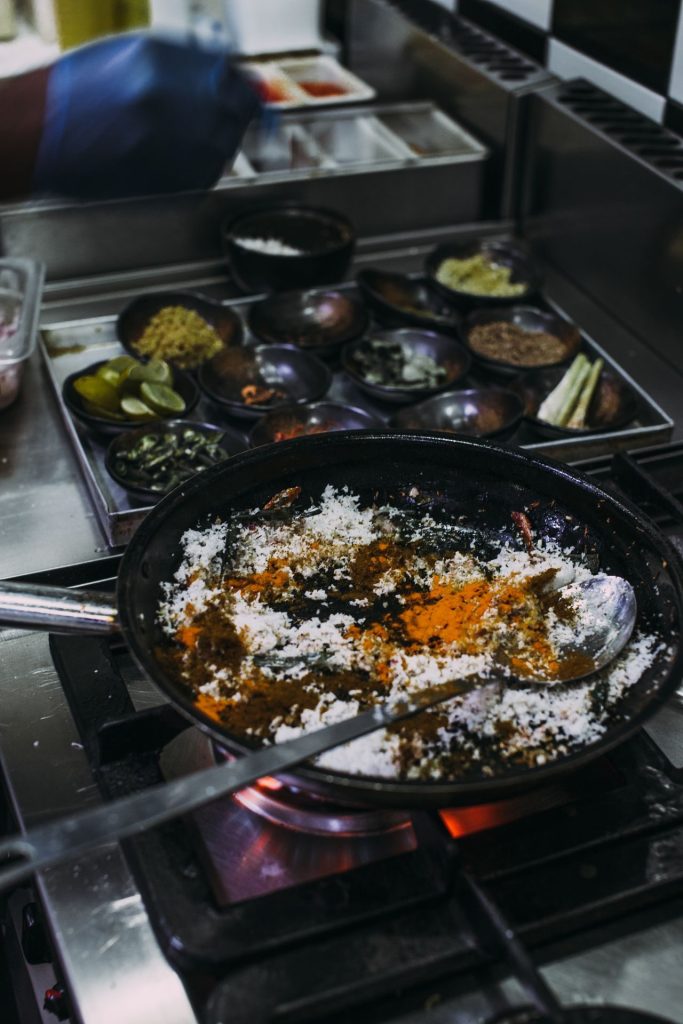
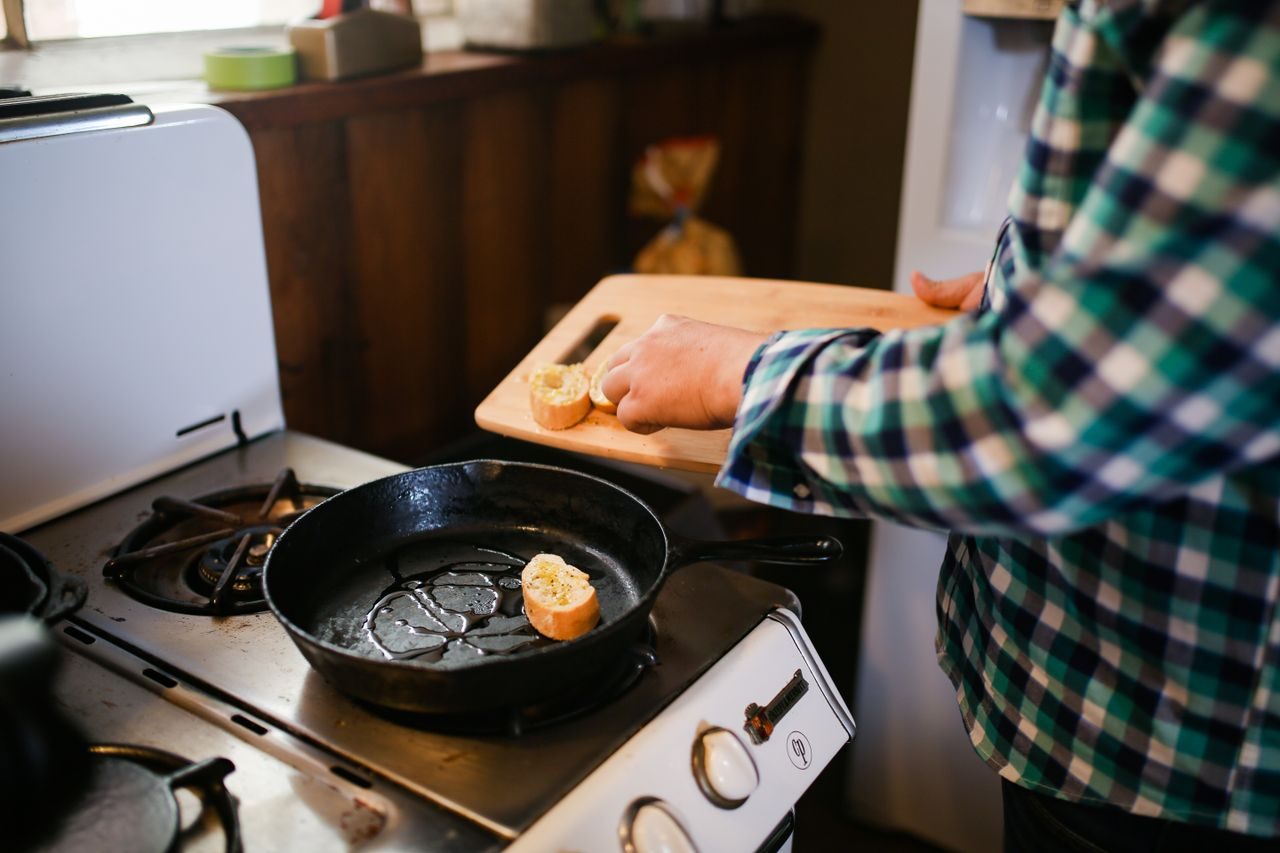
Selecting cookware materials involves weighing how each conducts heat quickly against how well it holds temperature once removed from the heat source. Different materials suit stages of a meal that begin on the hob and move to the oven, or that require steady simmering after an initial sear. Manufacturer manuals set out the temperature ceilings and hob compatibility for each type, while food-safety references give cooling rates that keep sauces and stocks within safe ranges. These documented limits help decide which pan moves from hob to oven without additional equipment.
Everyday cooking often requires one vessel to handle rapid surface heating then slower oven finishing. The choice turns on measurable properties such as thermal conductivity, heat capacity and surface reactivity. Checking the base diameter against the hob zone and confirming the oven rating on the care leaflet avoids exceeding stated boundaries. This approach keeps the focus on routine meal sequences rather than special equipment.
Conductivity for Initial Heating on Ceramic and Induction Hobs
Aluminium bases spread heat rapidly across the cooking surface, which suits tasks where ingredients must reach temperature evenly before liquid is added. Stainless steel with an aluminium or copper core offers similar speed while adding durability. Cast iron heats more slowly but maintains contact once warm. Appliance manuals for ceramic hobs note that bases must sit flat to avoid hot spots; induction models require magnetic materials. Checking base diameter against the marked zone prevents uneven results when scaling portions for two or four servings. A simple method is to place the empty pan on the zone and look for full contact before switching on power. If light shows beneath the edge, the pan is unsuitable for that zone and heat distribution will remain uneven throughout cooking.
Common errors include selecting a pan whose base is smaller than the zone, which concentrates heat in one area and leaves outer food undercooked. Another frequent mistake is pre-heating an empty aluminium pan beyond the time stated in the manual, risking warping that later affects contact on ceramic surfaces. Manufacturers advise placing food or oil in the pan before applying medium heat, then raising the setting only after contents are added. These steps keep conductivity advantages intact across repeated daily cycles and prevent early replacement.
Retention Properties During Oven Finishing
Cast iron retains heat after transfer from hob to oven, allowing residual warmth to complete cooking of casseroles or gratins without raising the set temperature. Stainless steel cools faster once removed, which can suit dishes where precise timing prevents over-reduction of sauces. Manufacturer instructions usually specify whether lids may travel with the pan into the oven and at what temperature the handle or knob remains safe. These details determine whether a single vessel can handle both hob searing and oven braising in one sequence. When the care sheet lists a maximum oven temperature of 200 °C, exceeding that figure voids the warranty and may damage the base or handle.
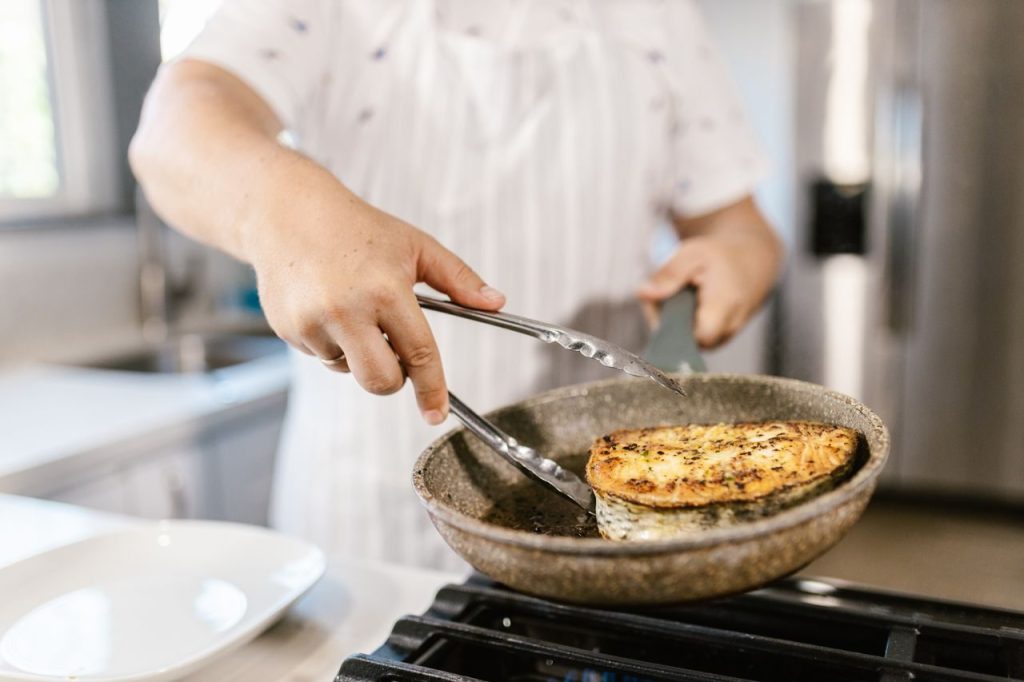
Judging suitability requires reading the oven rating before any hob-to-oven move. A practical check is to note the pan weight and material thickness; heavier cast iron pieces hold temperature longer but demand oven gloves rated for the stated heat. Lighter stainless pans lose heat within minutes, so recipes needing continued cooking after transfer benefit from cast iron. Always confirm the lid knob material matches the oven limit, because many composite knobs are restricted to 180 °C even when the body tolerates higher settings.
Reactivity Limits with Acidic or Long-Simmered Items
Stainless steel and cast iron with enamel coatings resist interaction with tomato-based sauces or vinegar reductions. Uncoated cast iron may require pre-seasoning and separate storage to avoid metallic transfer, following the care sheet supplied with the pan. Food-safety sources recommend bringing acidic mixtures to a full boil only in non-reactive vessels if extended holding times are planned. This constraint influences material choice when a recipe moves from hob reduction to oven resting. Testing reactivity begins with the manufacturer’s guidance on allowed ingredients and contact times rather than trial use.
Applicable conditions include simmering times longer than thirty minutes or storage of leftovers in the same pan. Stainless steel tolerates both without flavour change, while uncoated cast iron requires transfer to another container once cooking finishes. A common error is leaving an acidic sauce in cast iron overnight, which can etch the seasoning and produce off flavours. Always move cooled contents to non-reactive storage within two hours, as advised by food-safety references, to maintain both material condition and product safety.
Hob-Type Adjustments for Mixed-Material Sets
Gas hobs allow direct flame adjustment under any base, yet ceramic surfaces demand lower initial power to prevent thermal shock on thicker materials. Induction users often reduce settings mid-recipe when switching from stainless to cast iron because the latter continues cooking after power is lowered. Manuals for each hob type list compatible base thicknesses and advise against empty pre-heating beyond stated durations. These instructions help maintain even contact when pans move between zones during a single meal preparation. Verifying hob compatibility before purchase prevents later disappointment when a favourite pan fails to heat on an induction model.
Judging the correct power level requires observing how quickly the contents begin to simmer rather than relying on the highest setting. Ceramic hobs benefit from gradual increases to avoid stressing the glass surface, while induction responds instantly and therefore needs earlier reduction. A frequent mistake is leaving cast iron on high induction power after the contents reach temperature, which can overheat the base and damage the hob coating. Manufacturer leaflets advise matching the base diameter to the zone and lowering power once boiling begins, preserving both pan and hob over years of daily use.
Care Routines That Support Repeated Daily Cycles
Non-stick coatings require wooden or silicone tools and hand washing in most cases, while stainless steel tolerates scouring pads after cooling. Cast iron needs immediate drying and light oiling to prevent rust between uses. Storage guidance in manufacturer literature suggests stacking with separators to protect finishes, especially when pans of differing weights share one cupboard. Following these steps preserves the surface that affects heat transfer on subsequent days. Checking the interior for scratches or loss of seasoning before each use provides an early warning that performance may decline.
Applicable conditions cover households that cook several meals per day and therefore cycle pans through washing and storage repeatedly. A common error is placing hot stainless pans directly into a wet sink, which can cause thermal shock and small cracks over time. Manufacturer advice is to allow cooling on a trivet first, then wash in warm soapy water. This sequence maintains the smooth base needed for even contact on ceramic and induction hobs and extends the usable life of each piece without additional purchases.
Capacity and Shape Constraints for Household Portions
Deeper straight-sided pans hold larger volumes of liquid for simmering without boil-over, whereas shallower frying pans suit rapid evaporation. Material thickness influences how much headroom remains once ingredients are added, because thicker bases occupy part of the stated capacity. Checking internal dimensions against typical recipe yields prevents overcrowding that slows heat recovery when batches are cooked sequentially on limited hob zones. Straight sides also make it easier to judge liquid levels during reduction, reducing the chance of boiling dry before the oven stage begins.
Shape selection depends on the household size and storage space available. Wide shallow pans suit two portions but may crowd four servings, while taller stockpots handle larger batches yet require more cupboard height. A practical method is to measure the usable capacity with water before first use and note the figure for future meal planning. Overfilling beyond two-thirds capacity is a frequent error that leads to spills on the hob and uneven cooking, regardless of material conductivity. Manufacturer capacity markings provide the reference point for matching pan to portion without waste or overflow.
Boundary Conditions for Material Longevity
Repeated heating and cooling cycles can warp thinner bases or degrade non-stick layers over time. Manufacturer replacement criteria often include visible distortion or coating wear that affects performance on flat hobs. Regular inspection of base flatness and handle security, as described in care leaflets, indicates when continued use risks uneven heating or safety issues during hob-to-oven moves. A simple test is to place a straight edge across the base; any gap larger than one millimetre suggests replacement is advisable to restore even contact.
Boundary conditions also cover handle attachment and lid fit. Loose rivets or wobbly handles signal that the pan should be retired before a transfer to the oven. Enamel coatings that show chips allow underlying metal to react with food, so those pieces move out of acidic cooking duties. Following the replacement guidance printed in the manual prevents both performance loss and potential contamination, keeping the collection functional for standard weeknight sequences without unexpected failures.