Recipes that begin on the hob and finish in the oven require pans that can handle both heat sources without warping or releasing unwanted substances. The choice of material determines whether the pan maintains even heat during the transfer and whether its surface remains safe for food contact at higher oven temperatures.
Stainless steel, cast iron, and certain enamelled pieces appear frequently in such recipes because their documented tolerances allow repeated shifts between hob and oven. Other materials carry stricter limits set by manufacturers, and these must be verified before use rather than assumed from general descriptions.
Stainless steel behaviour during temperature shifts
Stainless steel pans typically tolerate oven temperatures up to 260 °C when the handle is metal, according to common manufacturer guidance. The material expands evenly, so sudden placement in a preheated oven rarely causes distortion provided the base remains flat. When the recipe includes acidic ingredients such as tomatoes or wine, the pan’s non-reactive surface prevents metallic off-flavours from developing during the longer oven phase.
Users should confirm that any lid is also rated for the same temperature, because glass or plastic components often have lower limits than the pan body itself. If the lid carries a lower rating, it is removed before the oven stage and replaced with foil or an oven-safe cover.
Cast iron response to combined hob and oven use
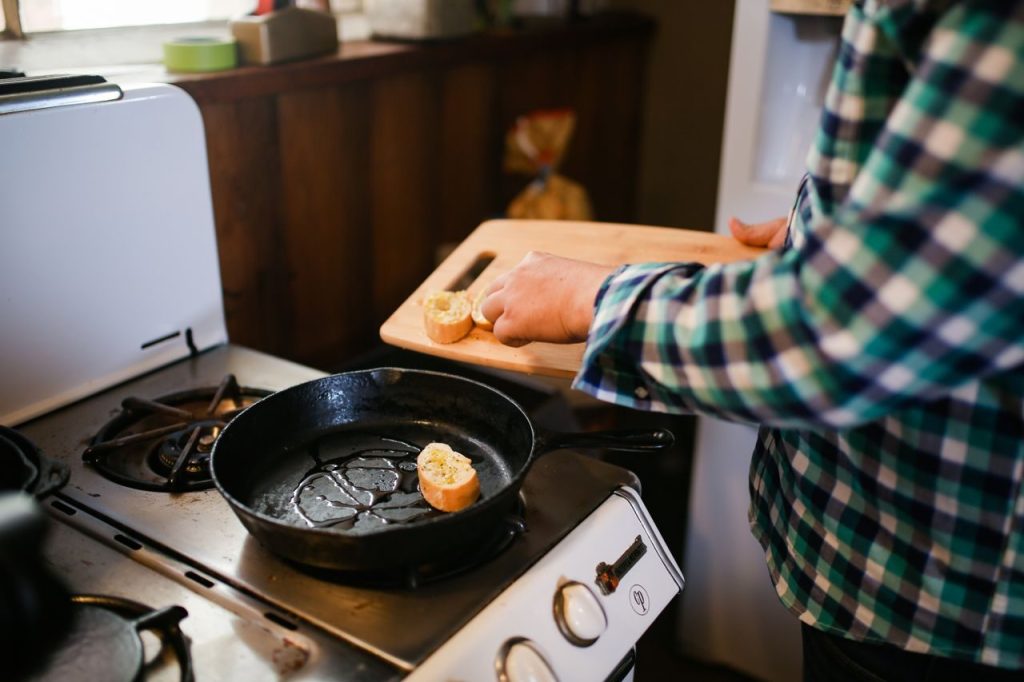
Cast iron retains heat after removal from the hob, which can shorten oven cooking times for items such as braised vegetables or small roasts. Manufacturer instructions usually permit temperatures up to 250 °C for bare cast iron and slightly lower for enamelled versions to protect the coating. Preheating the pan on the hob before adding ingredients reduces thermal shock when the pan enters the oven.
Seasoned cast iron requires drying immediately after washing to prevent rust, and the same care applies after oven use. Enamelled cast iron needs avoidance of sudden cold water contact while still hot, a step listed in most care booklets.
Enamelled steel and temperature limits
Enamelled steel pans combine a metal base with a glass-like coating. The coating tolerates oven use up to approximately 220 °C in many models, but the exact figure appears on the product label or in the accompanying leaflet. Above that temperature the enamel may craze, creating microscopic cracks that trap food residues.
Because the enamel layer is thin, heat moves through the pan more quickly than through cast iron. This characteristic suits dishes that require only a short oven finish after an initial hob simmer, such as finishing a vegetable gratin.
Non-stick coatings and oven restrictions
Non-stick surfaces carry the lowest oven temperature limits, commonly 180–200 °C, because the coating can degrade and release fumes at higher settings. Manufacturer manuals repeatedly state that metal utensils and abrasive cleaners shorten the coating life; the same applies when the pan moves into an oven where temperatures rise rapidly.
When a recipe calls for oven finishing, transferring the contents to an oven-safe dish avoids exceeding these limits. This step also prevents warping of lightweight non-stick pans that lack heavy-gauge bases.
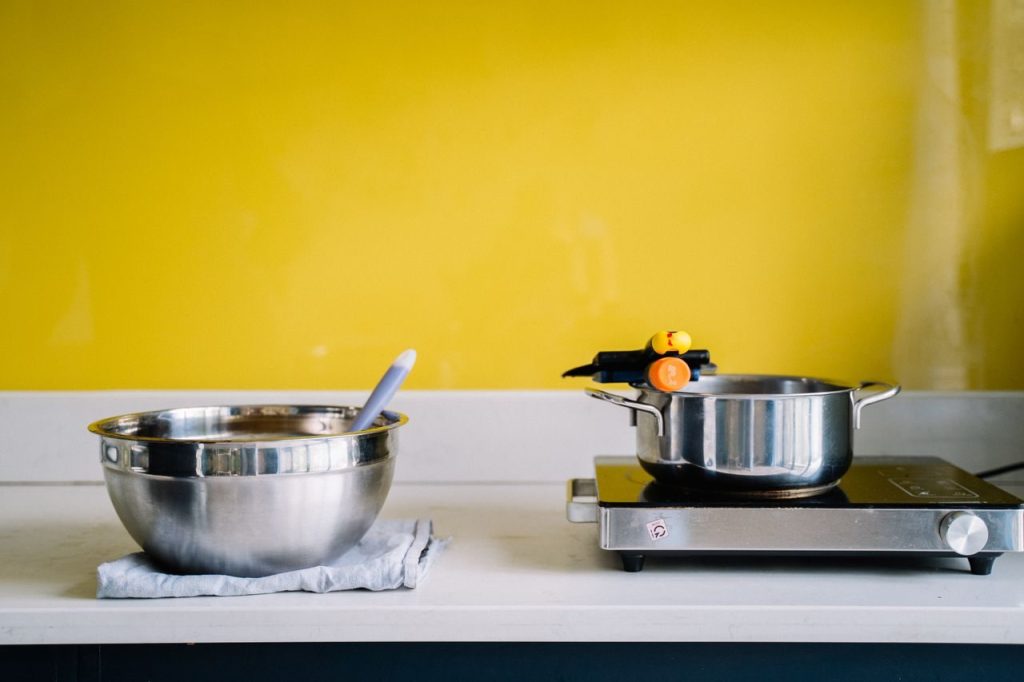
Checking hob compatibility before oven transfer
Induction hobs require ferrous bases; stainless steel and cast iron meet this requirement while aluminium and copper usually do not unless they carry a bonded magnetic disc. Ceramic hobs accept any flat, clean base but penalise warped pans with uneven heating. These compatibility rules remain unchanged when the same pan later enters the oven.
A quick visual inspection of the base for dents or uneven wear before starting prevents hot spots that become more pronounced once the pan is in the oven. Manufacturer care sheets advise against using damaged pans on any hob type.
Practical sequence for a two-stage recipe
Begin by confirming the pan’s stated maximum oven temperature on its base stamp or paperwork. Preheat the pan on the hob at medium power for two minutes, add oil or fat, then introduce ingredients. Once the hob stage reaches the point where oven finishing is required, move the pan directly into a preheated oven using dry oven gloves. Remove the pan with the same gloves and place it on a heat-resistant surface, never directly on a cold countertop.
After cooking, allow the pan to cool gradually before washing. Stainless and cast iron tolerate this routine daily; non-stick and thin enamelled pieces require more frequent inspection for coating wear.
Storage considerations after mixed hob-oven use
Pans used for both hob and oven accumulate residues on both interior and exterior surfaces. Stacking them while still slightly warm can transfer marks between pieces. Manufacturer guidance recommends storing stainless and cast iron pieces with a cloth or paper separator when cupboard space is tight.
Enamelled items benefit from upright storage or dedicated racks so that lids do not rest directly on the interior coating. These habits preserve the surfaces that must remain intact for safe repeated transfers between hob and oven.