Acidic sauces such as tomato-based reductions or vinegar reductions place specific demands on cookware surfaces. Certain materials release metallic ions when exposed to low pH levels, altering flavour and finish. Induction hobs add a further constraint because only ferrous bases generate heat directly, so material choice must satisfy both chemical stability and magnetic compatibility. Home cooks often overlook these combined requirements when selecting pans for everyday sauce work.
Many home cooks select pans based on appearance or marketing claims without checking the interaction between acid and metal. The result is either discolouration on stainless surfaces or pitting on uncoated aluminium. Manufacturer guidance on each material sets the boundary conditions for safe use. Appliance manuals further specify base compatibility and power limits that affect how long an acidic mixture can remain in contact with the interior without damage.
Reactivity limits for common materials
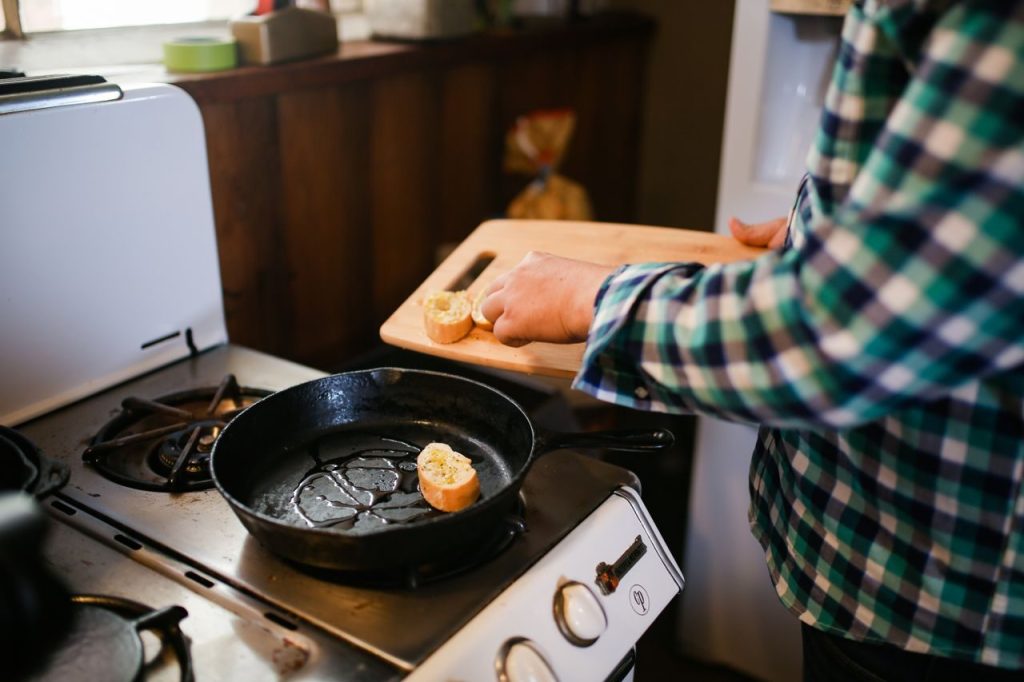
Stainless steel grades 18/10 and 18/8 resist most kitchen acids provided the surface remains intact. Scratches that breach the passive chromium layer allow localised corrosion during long simmers. The error many users make is continuing to use a pan once visible pitting appears, because the damage accelerates with each subsequent acidic cook. Cast iron requires a well-seasoned coating; acid can strip seasoning and produce off-flavours if contact exceeds a few minutes. Users should therefore limit acidic sauces in cast iron to brief deglazing steps rather than extended simmering. Enameled cast iron avoids direct metal contact but the enamel layer can craze if thermal shock occurs after prolonged acid exposure. Manufacturers state that enamel thickness and firing quality determine resistance, so any visible chip immediately ends suitability for acidic work.
Aluminium and copper require either an internal lining or strict time limits. Unlined aluminium pans are unsuitable for tomato sauces that simmer longer than ten minutes because the metal dissolves at a measurable rate once pH drops below 4.5. Copper reacts quickly with acids and forms verdigris unless tin-lined, and the tin layer itself wears with repeated acidic use. The practical test is to watch for metallic taste or colour change in the sauce; both indicate the material boundary has been crossed. These limits come directly from material data sheets supplied with the cookware rather than from general assumptions about durability.
Induction base requirements
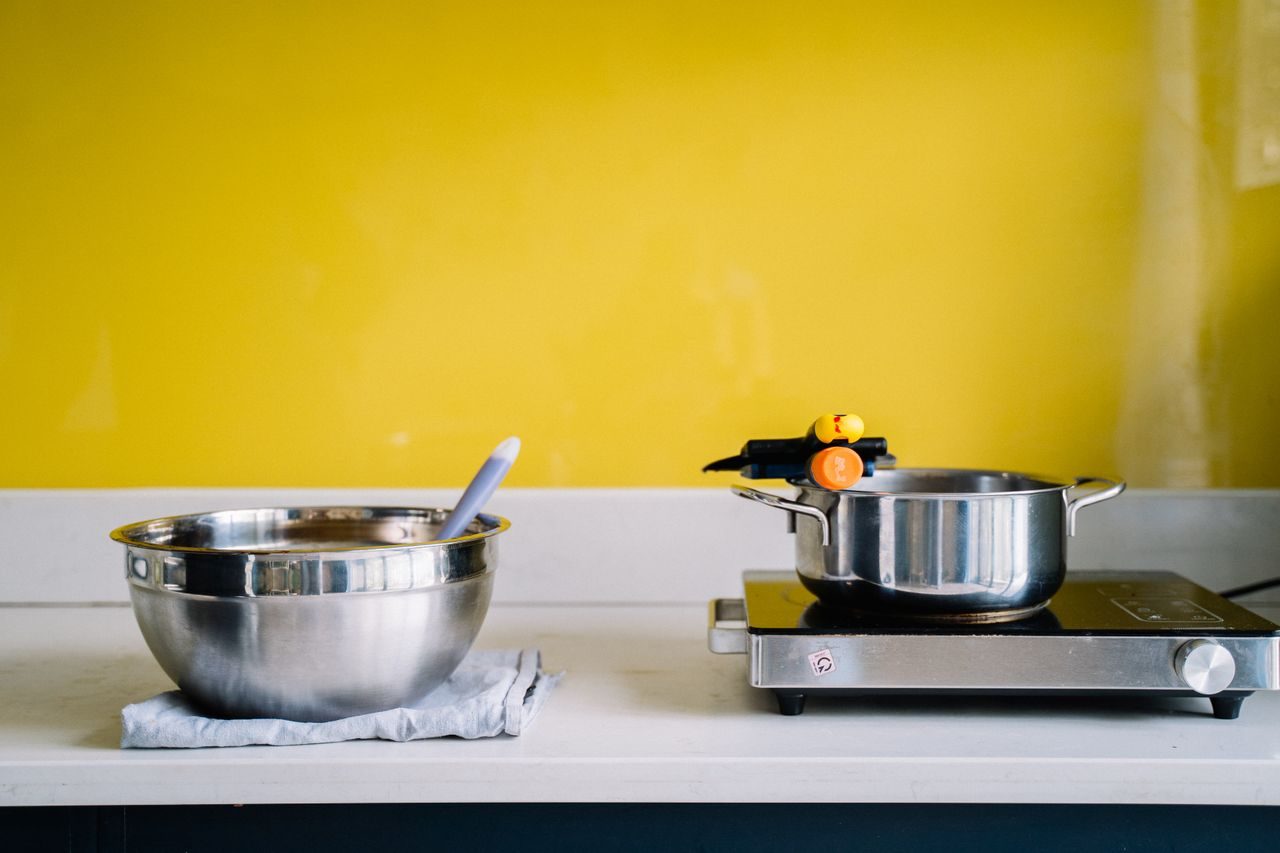
Induction hobs detect only magnetic bases. A stainless pan labelled “induction ready” contains a ferromagnetic disc bonded to the base. If that disc is undersized relative to the hob zone, heat concentrates at the edges and creates hot spots that accelerate acid attack on the interior. The common mistake is assuming any magnetic base will perform evenly across all zone sizes. Pans with fully encapsulated bases distribute energy more evenly, reducing the risk of localised scorching that then interacts with acid. Before first use, users should confirm that the base sits flat on the hob glass by placing a straight edge across several diameters and checking for gaps. Warped bases cause intermittent contact, leading to temperature fluctuations that can pit stainless or lift enamel. Appliance manuals specify the minimum base diameter for each zone; exceeding that minimum improves stability with acidic liquids.
Power level settings must also match base construction. Multi-ply stainless tolerates rapid increases better than single-disc bases, which can overheat the outer edges while the centre lags. When preparing a sauce that will later receive acidic ingredients, begin on a medium setting and adjust only after the liquid has equalised temperature across the base. This prevents the early formation of stuck proteins that acid later loosens unevenly. Checking base condition after every few uses by repeating the straight-edge test prevents gradual warping from repeated heating cycles from going unnoticed.
Sequence of heat application
Start with moderate power to bring the sauce to temperature, then reduce to the lowest setting that maintains a gentle simmer. High initial power on induction can overshoot and cause proteins in tomato sauces to stick before liquid reduces. Once simmering, residual heat in cast iron or multi-ply stainless maintains temperature without continuous high power, limiting acid-metal contact time. The frequent error is leaving the power high throughout because the hob responds quickly; this creates unnecessary thermal stress at the metal-liquid interface. Never add cold acidic ingredients directly to a hot empty pan. The sudden temperature drop followed by reheating increases thermal stress on enamel and can crack cast iron if moisture is trapped in pores. Instead, warm the pan on low, add a small amount of neutral fat or water first, then introduce the acidic component gradually while stirring.
Judging readiness for acid addition relies on observing steam rather than surface temperature alone. When steam rises steadily without sputtering, the base has reached equilibrium and can accept the sauce without localised boiling. For recipes that require reduction, stir at regular intervals rather than continuously; constant agitation increases mechanical wear on any coating while the acid is present. These steps follow the operating sequences described in hob and cookware manuals for preserving surface integrity during acidic cooking.
Storage and cooling after use
After cooking, transfer acidic sauces to glass or ceramic containers before cooling. Leaving sauce in the pan overnight allows prolonged contact that may etch stainless or degrade seasoning. The error occurs when cooks rely on the pan’s residual heat to keep food warm for extended periods; this extends acid exposure far beyond safe limits. Cool the empty pan on a trivet rather than plunging it into cold water; rapid cooling can warp multi-ply bases or craze enamel. Manufacturer care sheets advise hand washing for most non-stick and enameled surfaces after acidic use. Dishwasher detergents are often alkaline and can dull polished stainless or attack certain non-stick coatings over repeated cycles. Drying immediately after rinsing prevents water spots that later become sites for acid concentration during the next cook.
Storage position also matters. Stacking pans without separators can abrade interiors that have already been exposed to acid, creating micro-scratches that reduce future resistance. Place a soft cloth or dedicated pan protector between pieces and store stainless and enameled items upright when cupboard space permits. These practices derive from the care instructions supplied with each material and prevent cumulative damage that shortens usable life.
Checking pan condition before reuse
Inspect the interior surface before each acidic cook. Stainless should show no rainbow discolouration or pitting. Enameled pieces must be free of chips that expose cast iron. Non-stick coatings require continuous coverage; any exposed substrate will react with acid and release particles into food. The common oversight is visual inspection only under bright light; running a fingertip across the surface reveals texture changes that indicate early wear. Base flatness can be checked with a straight edge. Gaps larger than 0.5 mm reduce induction efficiency and create uneven temperatures that concentrate acid attack. Users who skip this check often experience hot spots that scorch sauce in one area while another remains undercooked.
Handles and lid fit should also be verified. Loose handles transmit uneven pressure when stirring thick acidic mixtures, increasing the chance of tipping or spilling. Lids that no longer seat evenly allow excessive evaporation, concentrating the acid and raising its effective strength against the pan walls. Replacement criteria appear in manufacturer guidance: any visible deformation or loss of seal means the pan is no longer suitable for acidic reduction work on induction.
Practical adjustments for everyday portions
Smaller sauce quantities benefit from pans whose base diameter matches the hob zone exactly. Oversized pans spread the liquid too thinly, increasing evaporation rate and requiring more frequent stirring that abrades the surface. Undersized pans cause boil-over and acid splash onto the hob controls. When scaling recipes, maintain the same liquid depth rather than simply doubling volume in the same pan. Deeper liquid changes simmer dynamics and extends acid contact time with the upper walls of the pan, where coatings are often thinner. The judgment criterion is to measure finished sauce volume against pan capacity markings where present, ensuring at least one-third headspace remains for safe simmering.
Portion planning also involves matching material recovery time to meal timing. Cast iron retains heat longer after the hob is switched off, which can continue reducing an acidic sauce beyond the intended consistency if not monitored. Stainless cools faster once power is removed, allowing quicker transfer to storage. Users who ignore these differences frequently over-reduce or under-reduce sauces when switching between pan types on the same hob. Adjusting quantities to fit existing pans rather than acquiring new ones prevents both storage issues and repeated exposure of marginal surfaces to acid.
Material-specific finishing steps
After deglazing with acid, stainless pans benefit from immediate rinsing while still warm to prevent sugar or protein residues from baking on. A soft brush or non-scratch pad removes any remaining film without restoring the passive layer if it has already been breached. Cast iron requires prompt drying and light oiling to restore the seasoning layer stripped by acid. The oil should be applied to a warm surface so it polymerises evenly. Enameled surfaces need only mild detergent and soft cloths; abrasive pads can remove the glossy finish that protects the enamel from future acid penetration. These steps follow directly from material properties listed in care manuals rather than from trial and error.
Final verification consists of checking that no metallic taste remains in a test portion of plain water boiled briefly in the cleaned pan. Persistent off-flavours indicate that acid damage has progressed beyond simple surface cleaning. At that point the pan should be retired from acidic use even if it remains functional for other tasks. Consistent application of these checks and adjustments keeps cookware within the limits set by its material and the induction hob’s operating characteristics.