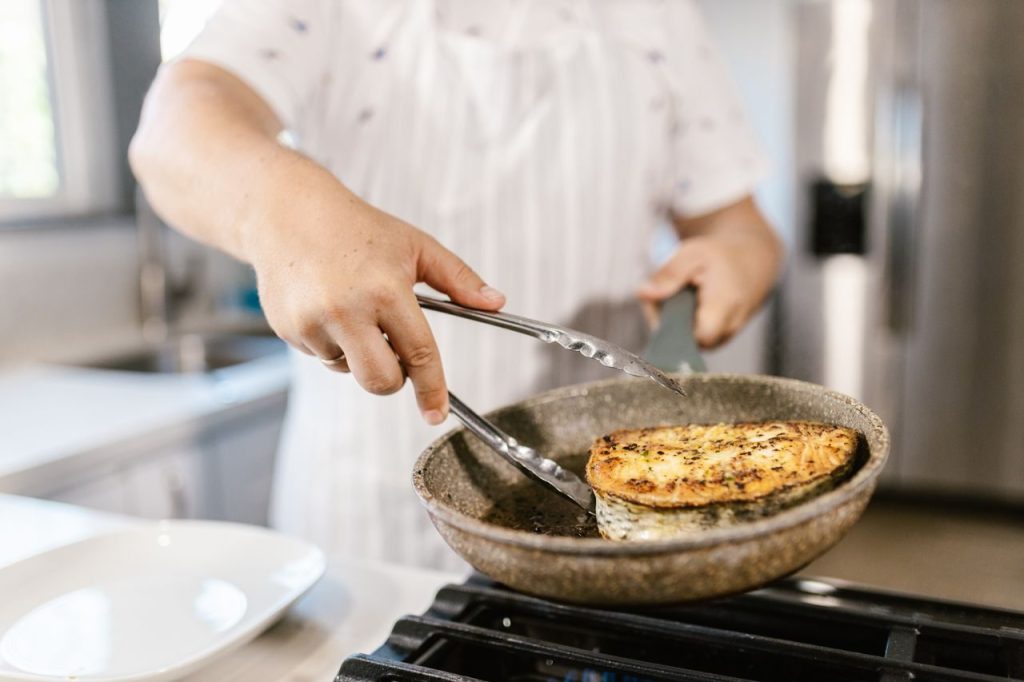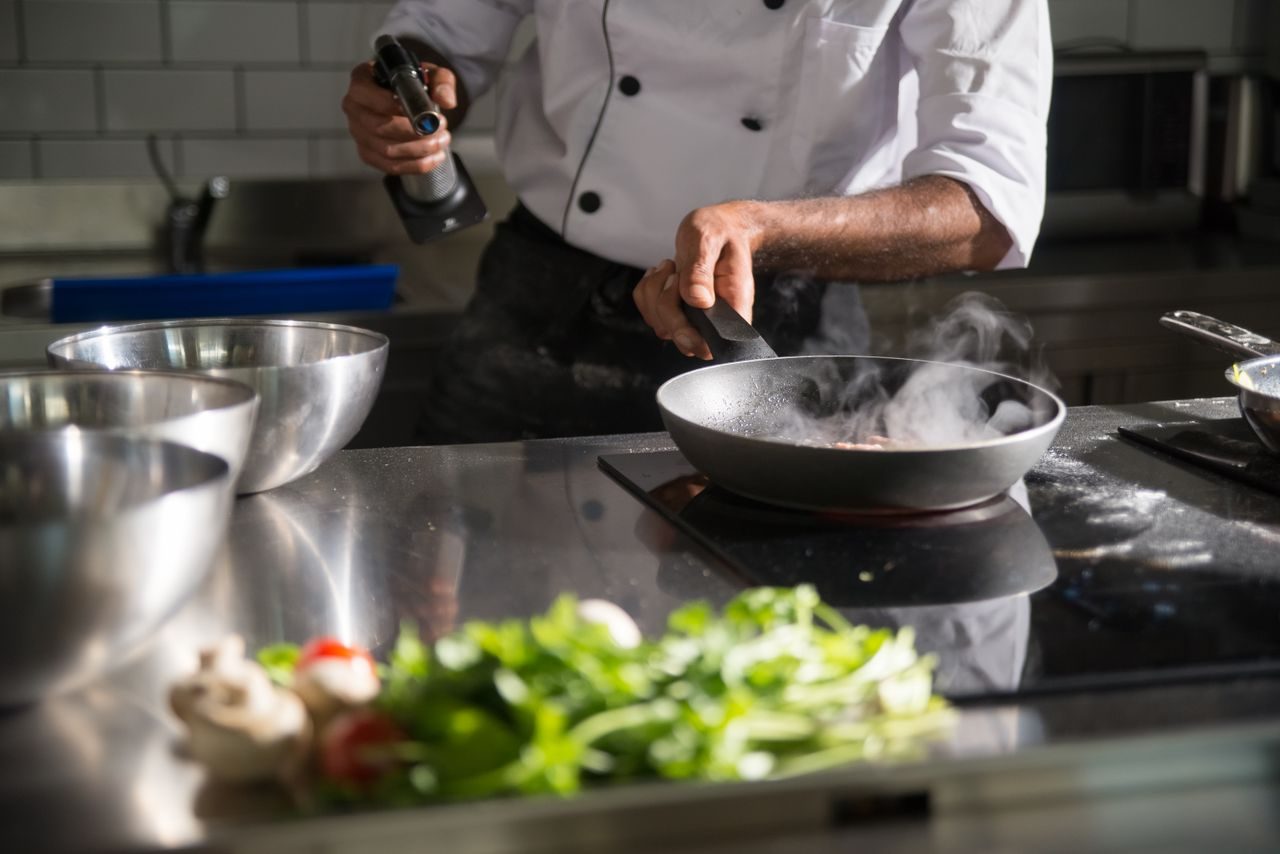
Choosing individual pan shapes lets cooks match depth and base width to each stage of a meal rather than accepting the compromises built into boxed collections. A straight-sided sauté pan holds a small volume of liquid for reduction while a wider shallow pan spreads meat for even browning. These differences become noticeable when recipes call for both searing and simmering in the same session.
Pan geometry influences how quickly moisture leaves a dish and how much surface area touches the heat source. Cooks who select shapes for specific tasks avoid overcrowding or excessive liquid that would otherwise slow browning or dilute flavours. The approach works within the limits set by manufacturer instructions for each material and by the size of existing hob zones.
Straight sides versus sloped sides during initial browning
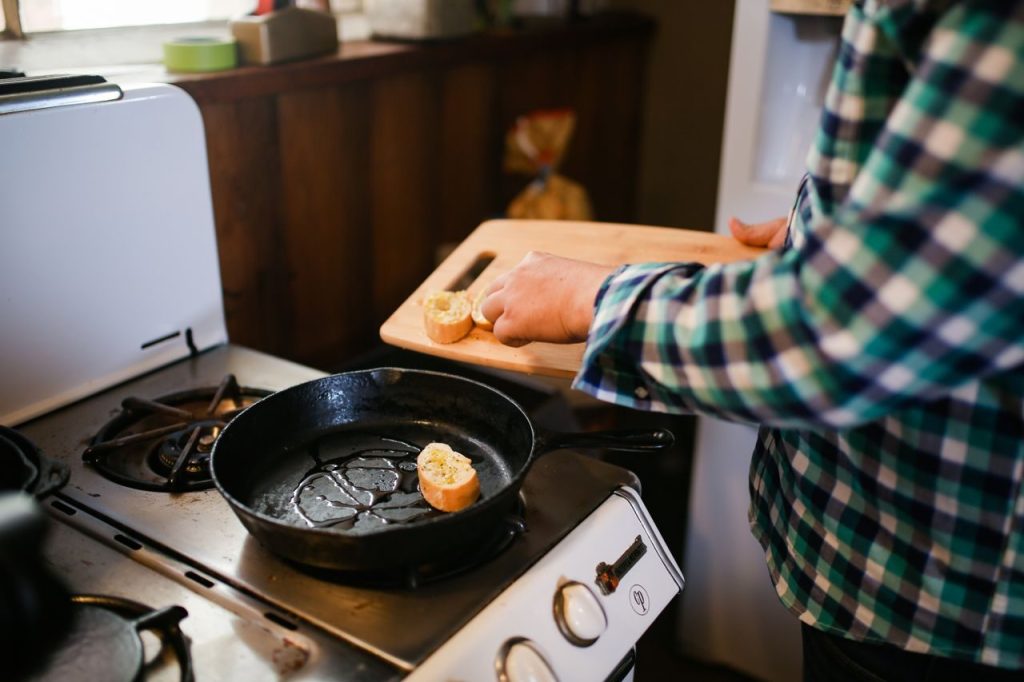
Straight-sided pans keep oil pooled around food and reduce the chance that pieces slide up the wall and out of contact with the base. Sloped sides allow easier tossing but spread oil thinner, which suits ingredients that release their own fat. The choice depends on whether the first step requires contained fat or frequent movement.
When oil is limited, straight sides maintain a shallow layer that prevents sticking on stainless or cast-iron bases. Sloped sides work better with non-stick coatings where food releases readily. Both profiles remain compatible with ceramic and induction hobs provided the base diameter matches the zone.
Depth choices when reducing sauces alongside other components
A medium-depth pan concentrates steam and speeds evaporation when the lid is off. Shallower pans increase surface area and therefore the rate at which water leaves the liquid. Cooks therefore match depth to the amount of reduction required before the next ingredient addition.
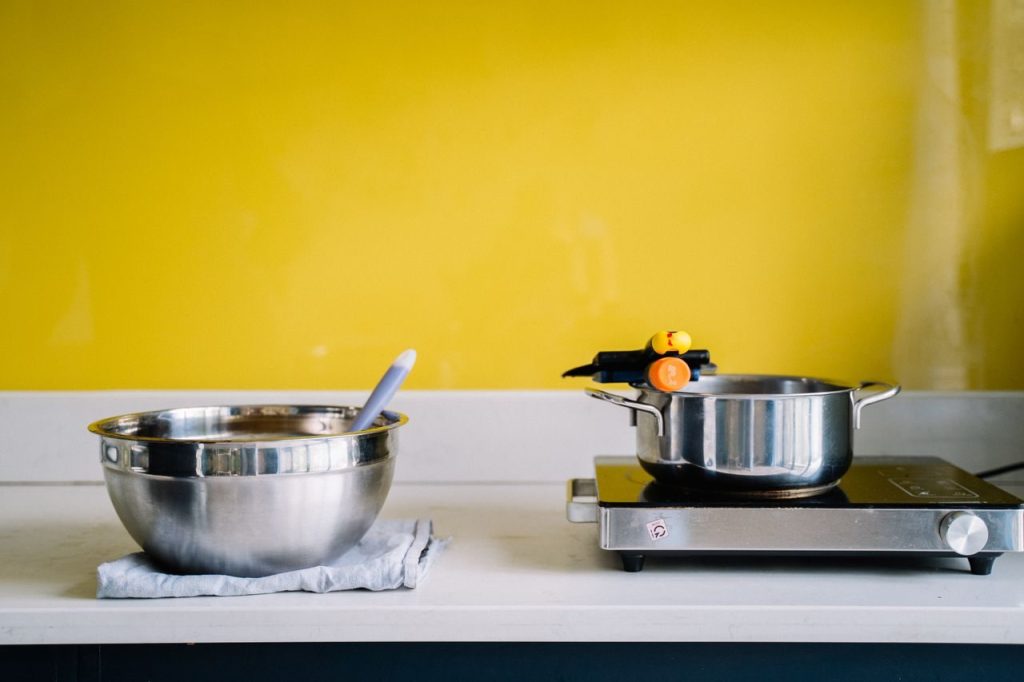
Manufacturer guidance for oven-safe limits should be checked before transferring any pan from hob to oven for finishing. Pans with deeper profiles also give more headroom when later ingredients are added, reducing the risk of boil-over on ceramic hobs that retain heat after the power is lowered.
Base width and hob-zone contact for steady results
Base diameter should align with the active heating ring or induction coil to avoid cool rings at the edges. A pan that is too narrow wastes energy on a large zone; one that is too wide receives uneven heat on a small zone. Checking the manual for minimum and maximum base sizes prevents both problems.
Even contact matters most on ceramic hobs where hot spots can form if the base warps. Flat, heavy bases maintain better contact across repeated heating cycles. Induction users can verify compatibility by confirming that the base material responds to the magnetic field before purchase.
Side height and lid fit when moving between hob and oven
Higher sides reduce splatter when a covered pan moves into a hot oven. Lower sides allow better top browning under a grill. Lids must fit securely for both safety and moisture retention; loose lids are noted in many appliance manuals as a reason to avoid oven transfer.
Before any hob-to-oven move, confirm that handles and knobs are rated for the intended temperature. Some composite handles soften above 180 °C even when the body is safe. These limits appear in the care instructions supplied with the pan.
Storage fit for shapes kept separately rather than stacked
Individual pans occupy cupboard space differently from nested sets. A wide shallow pan may block access to deeper pans behind it. Placing frequently used shapes at the front and rotating the position of less-used ones reduces handling wear on surfaces.
Protective liners or dedicated slots prevent metal-to-metal contact that can scratch finishes. Enclosed cupboards limit dust while open racks allow air circulation that helps residual moisture evaporate after washing. Both arrangements suit mixed materials when the routine follows the drying steps listed in each manufacturer’s guidance.
Portion size and pan capacity for two-person portions
Smaller diameters keep two portions from spreading too thinly across the base, which preserves contact for browning. Larger diameters suit vegetable batches where steam escape is desirable. Matching capacity to regular meal sizes avoids the need to cook in oversized vessels that require more energy to heat.
Recipes written for four servings can be scaled by volume rather than by pan size. Reducing ingredient quantities to fit an existing pan prevents overflow and maintains the intended ratio of surface area to liquid depth. Food-safety sources recommend cooling leftovers promptly in shallow containers rather than leaving them in the cooking pan.
Practical limits when using residual heat on ceramic or induction hobs
Ceramic and induction surfaces retain heat after the control is turned down. A pan with good thermal mass continues cooking for several minutes, which suits finishing steps that do not require active adjustment. Pans with thinner bases respond faster when heat must be removed quickly.
Turning the zone off early and letting residual heat complete the final minutes reduces the chance of over-reduction in sauces. The same technique works for resting meat in its pan provided the internal temperature is checked with a thermometer rather than by time alone. Authoritative doneness guidance comes from recognised food-safety references rather than from pan branding.