Overestimating usable cupboard volume without measuring shelf clearances
Many people assume a cupboard can hold additional pans simply by counting the number of items already stored, yet fail to account for the actual depth and height between shelves. Manufacturer guidance on stackable cookware often specifies minimum clearances required to avoid lid damage or base warping during repeated removal. Measure the internal dimensions of each shelf before considering any new piece, and compare those figures directly against the base diameter and overall height listed in product specifications.
A second frequent oversight occurs when lids are stored separately from bases. Placing lids flat on top of pans may appear space-efficient on paper, but in practice this arrangement often exceeds the available vertical space once handles and knobs are included. Check the combined height of base plus lid against the shelf gap before purchase.
Ignoring the difference between stated capacity and practical fill level for weekly meals
Pan capacities printed on packaging reflect maximum volume to the rim, yet most cooking instructions recommend leaving headroom to prevent boil-over. For a standard two-person evening meal involving sauce or stew, the usable capacity is typically 60–70 % of the stated figure. Compare this adjusted volume against the quantities in recipes you prepare most often rather than relying on the nominal size alone.
Households that regularly cook for more than two people sometimes select larger pans without first confirming that the cupboard can accommodate the increased footprint. The resulting piece may fit on the hob but then forces other items onto less accessible shelves, disrupting daily retrieval routines.
Selecting pieces without confirming hob-zone compatibility and storage footprint together
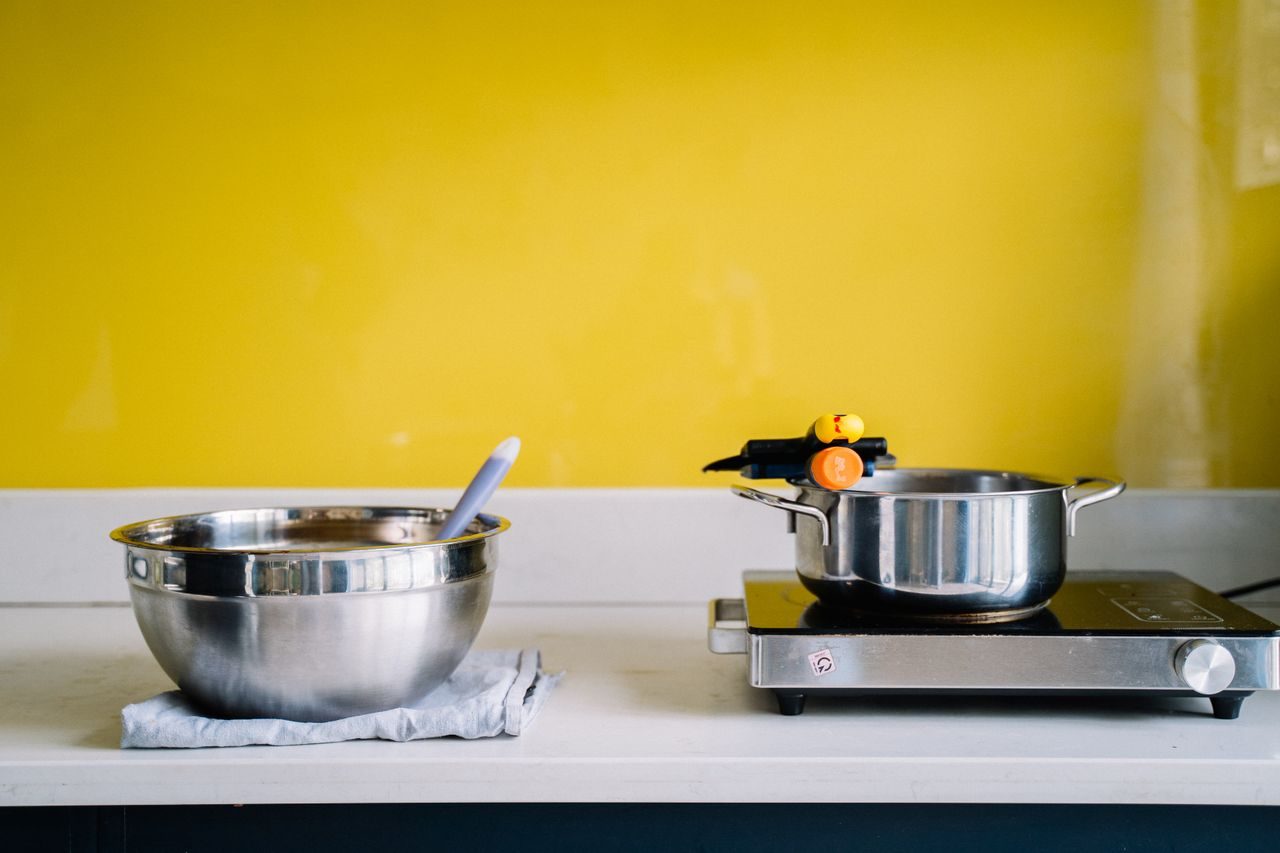
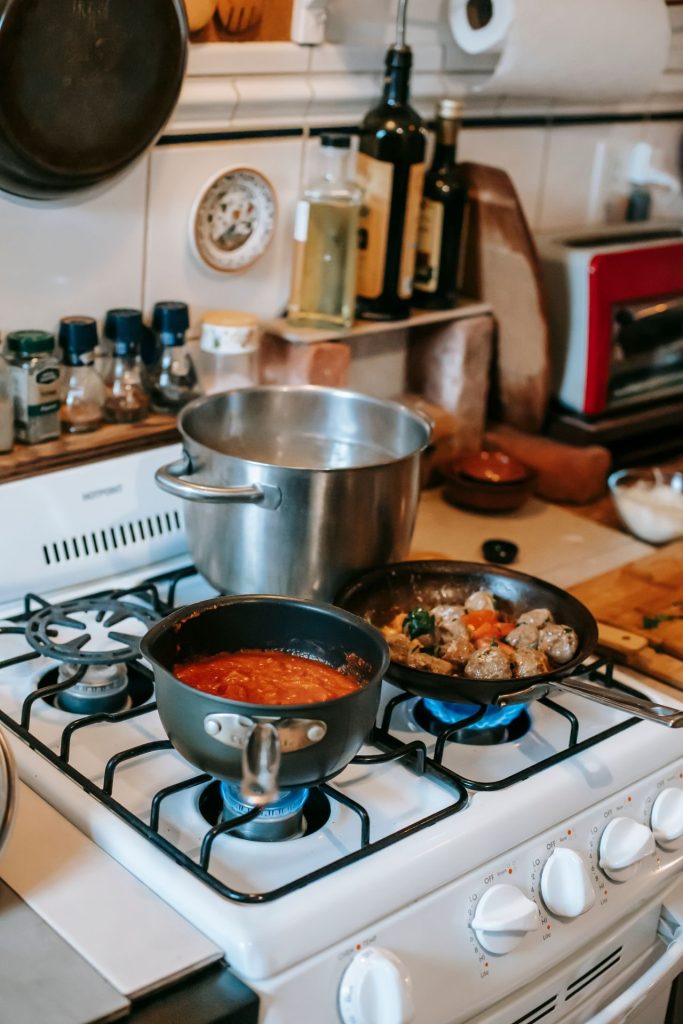
Induction and ceramic hobs require specific base diameters for even heating, as stated in appliance manuals. A pan that meets the diameter requirement may still have a body shape that prevents stable stacking or side-by-side placement inside a narrow cupboard. Cross-reference the base diameter needed for your hob zones with the external width and depth of the pan body before deciding on any addition.
Cast-iron and stainless-steel pieces have different thermal-mass characteristics that affect how quickly they reach temperature on the same hob setting. Appliance manuals advise against rapid temperature changes for certain materials; selecting a pan solely for capacity without noting these material limits can lead to unnecessary stress on both the cookware and the storage arrangement when hot pans must cool before being returned to the cupboard.
Adding single-task pans without reviewing existing meal sequencing
Recipes for a typical weeknight meal often move through multiple stages that can be handled by two or three existing pans if ingredients are sequenced correctly. Introducing a fourth pan for a single step increases storage demand without reducing overall cooking time. List the sequence of hob and oven tasks for three or four recurring meals, then note which steps already fit within the capacities and shapes currently owned.
Common errors arise when a new pan is chosen because it matches one stage in isolation, such as a small sauté pan for browning, while the main vessel for simmering remains unchanged. The net result is an extra item that occupies space yet does not shorten the total workflow.
Disregarding material-specific drying and positioning requirements after use
Stainless steel and non-stick surfaces have different manufacturer-recommended drying times and stacking orders. Placing a still-damp non-stick pan beneath a heavier stainless piece can trap moisture and affect the non-stick coating over repeated cycles. Establish a fixed order of placement that respects each material’s care instructions rather than arranging solely by size.
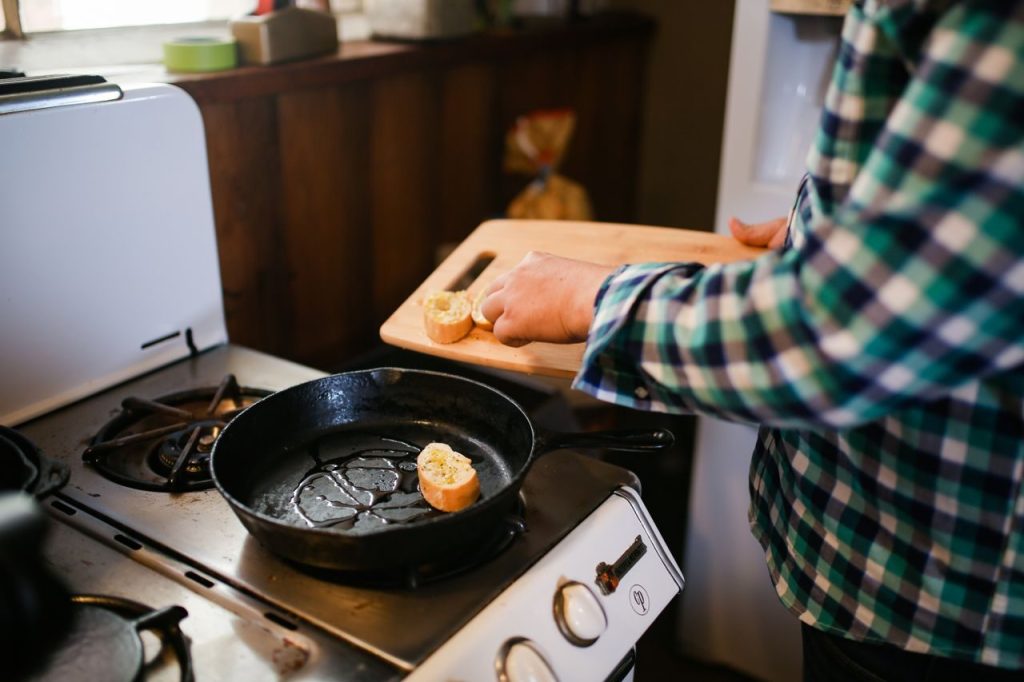
Enclosed cupboards limit airflow compared with open racks, so pans that require air-drying after washing must be positioned where residual moisture can escape. Ignoring this constraint leads to repeated rearrangement and potential surface damage.
Failing to map future meal changes to current storage limits
Household size or cooking frequency may shift, yet the cupboard dimensions remain fixed. Before acquiring any new piece, calculate the maximum number of pans that can be stored without stacking more than two high, using the measured clearances. This figure provides a hard upper boundary for the collection regardless of how appealing a particular shape appears for occasional recipes.
Reviewing the most frequent meal structures—such as one-pot dishes versus multi-pan sequences—helps determine whether an additional vessel would actually reduce reliance on existing items or simply duplicate functions already covered.
Verifying measurements twice before final selection
Once the above checks are complete, record the exact external dimensions and material care notes for any candidate pan. Compare these against both the cupboard clearances and the adjusted capacities required for your regular portion sizes. This final cross-check prevents purchases that satisfy one criterion while violating another.
Manufacturer care instructions and hob manuals supply the necessary limits for compatibility; applying them consistently avoids incremental additions that eventually exceed available space or fail to align with daily cooking patterns.