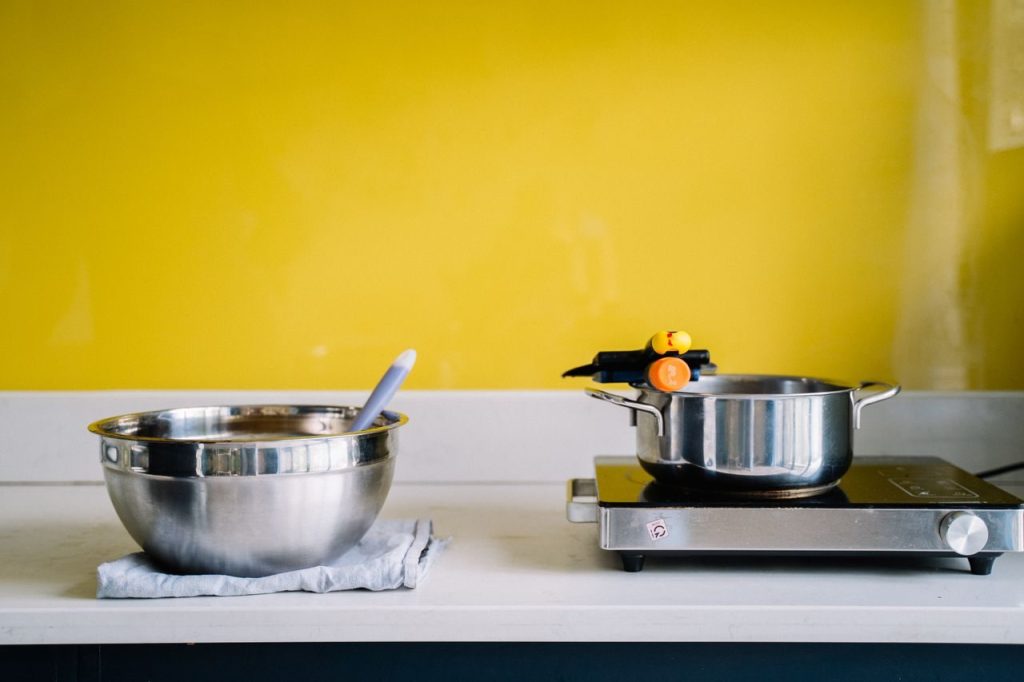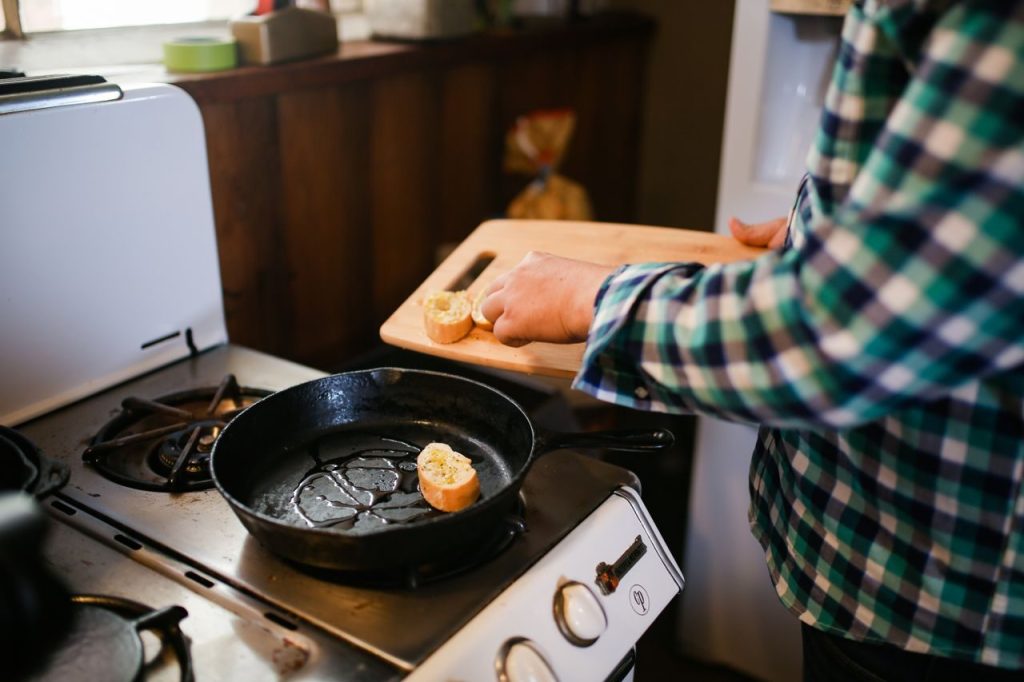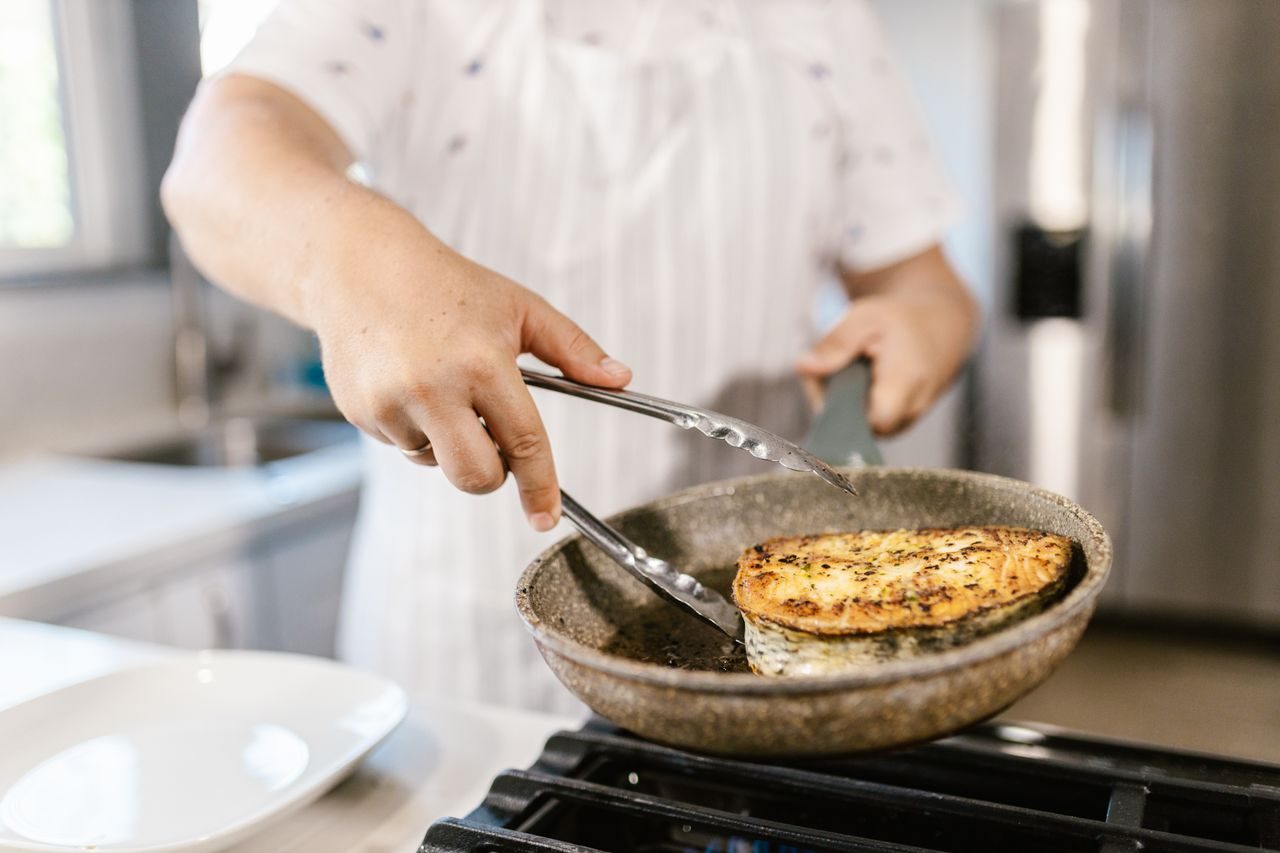
Selecting cookware that fits both the physical limits of storage and the volumes needed for everyday meals requires checking actual cupboard dimensions against typical ingredient quantities rather than guessing at future needs. Many households add pieces that later prove either too large to store safely or too small to cook standard family portions without splitting tasks across multiple vessels.
Errors often appear when owners focus on single-meal convenience without mapping repeated weekly patterns or the space available once existing items remain in place. The following sections outline frequent missteps and the checks that reduce them.
Measuring usable cupboard volume before purchase
Start by clearing the intended shelf and recording internal height, depth and width in centimetres. Note any fixed obstructions such as hinges or pipes. Compare these figures with the outer dimensions of each new piece, including handles and lid knobs, because manufacturers list only internal capacities.
Allow clearance for lifting items in and out without scraping adjacent surfaces. A pan that fits when the cupboard is empty may bind once neighbouring pieces return. Record the measurements on paper rather than relying on memory when comparing models in a shop or online listing.
Estimating portion volumes from existing meal patterns
List the dishes prepared most often and note the weight or volume of raw ingredients that enter the pan. Convert those quantities into approximate finished volumes by adding typical liquid additions. A stew for four adults, for example, usually requires at least 3 litres of usable capacity once vegetables and stock are combined.
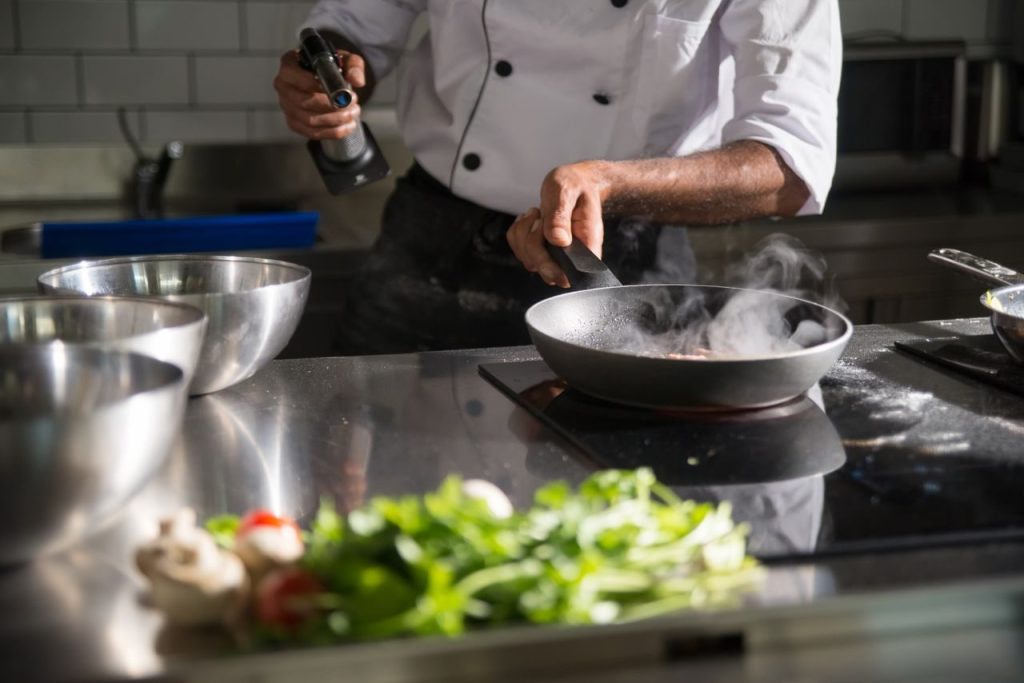
Cross-check this figure against the stated capacity on the pan base or carton. Manufacturers measure to the rim; safe working volume is normally 80 percent of that figure to prevent boil-over. Adjust the target capacity if meals regularly include leftovers for the following day.
Accounting for stacking constraints with mixed materials
Heavy cast-iron pieces cannot rest directly on lighter non-stick surfaces without protective liners. Plan the stacking order so that the heaviest items sit at the bottom and lighter pans nest inside only when protective cloths or dedicated dividers are used.
Measure the height of the tallest stacked column against the internal cupboard height. If the column exceeds available space, consider keeping one or two frequently used pans outside the stack on a separate hook or low shelf. This prevents repeated removal of multiple items each time a single pan is required.
Checking lid fit and vertical storage needs
Lids often determine whether a pan can stand upright or must lie flat. Verify that the lid handle does not exceed the cupboard depth when the pan is stored upright. Flat storage requires additional horizontal shelf space that many compact kitchens lack.
Where lids are stored separately, allocate a dedicated shallow drawer or rack. Mixing lids with pans increases the chance of scratching non-stick coatings during retrieval. A simple test is to place the intended lid on the pan and attempt to slide the assembly into the cupboard without tilting; if tilting is necessary, the arrangement will prove awkward in daily use.
Reviewing weekly meal rotation against current pan count
Prepare a seven-day list of main meals and note which vessels each dish requires. Count simultaneous uses: a single evening that needs both a sauté pan and a stockpot reveals whether two items must be available at once. If the existing set forces sequential cooking that extends preparation beyond available time, the shortfall is a capacity issue rather than a storage issue.
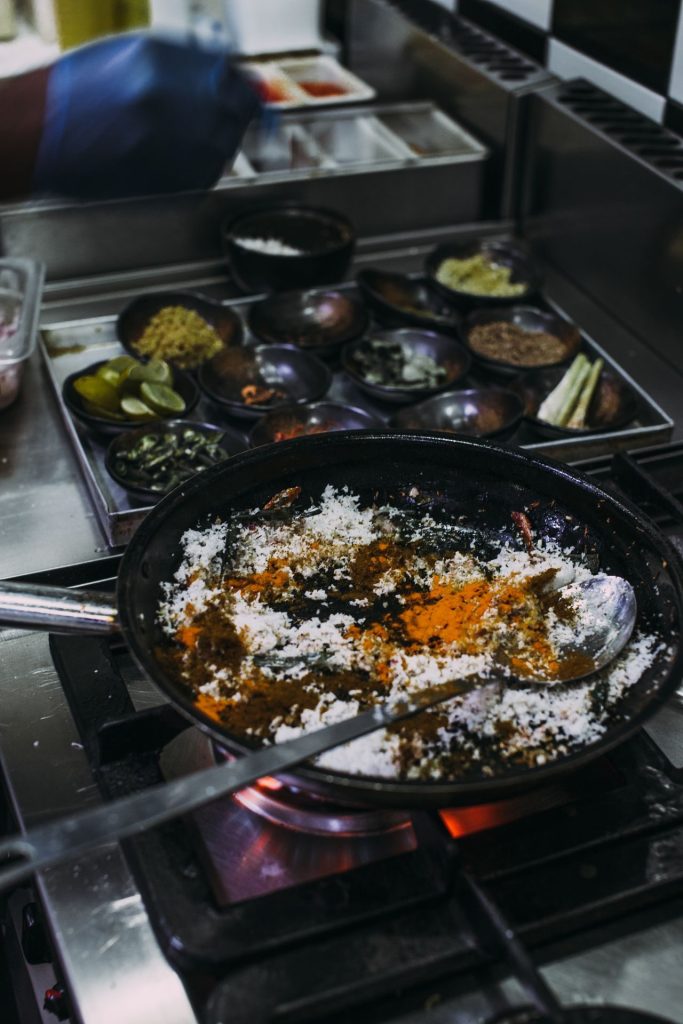
Adjust the list for batch-cooking days when larger volumes are prepared. One additional 5-litre pot may resolve several conflicts without expanding the entire collection. Record the revised meal list and repeat the exercise after four weeks to confirm the adjustment holds under actual use.
Testing accessibility for daily retrieval
Place candidate pieces in the intended storage location and simulate morning and evening retrieval five times. Note any items that must be moved to reach the target pan. Frequent rearrangement indicates poor placement relative to use frequency.
Items used several times a week belong at eye level or on the lowest shelf that can be reached without bending. Seasonal or seldom-used pieces can occupy higher or deeper positions. Re-evaluate placement whenever the meal rotation changes rather than leaving the arrangement fixed after the first arrangement.
Confirming material compatibility with existing hob and oven routines
Before finalising a purchase, verify that the new pan base matches the hob type already in use. Induction-compatible bases must cover the marked zone fully; smaller diameters reduce efficiency and may trigger error codes on some models. Oven-safe handles and lids must withstand the temperatures listed in the appliance manual, not the pan marketing copy.
Where manuals specify different maximum temperatures for lids versus bodies, follow the lower limit. This prevents warping or seal failure during transfers from hob to oven that occur in standard weeknight recipes.
After these checks, the collection remains limited to pieces that store without damage, hold required volumes without overflow and align with the meals prepared most often. Regular re-measurement of both cupboard space and portion needs keeps future additions equally practical.