Draw the working arrangement
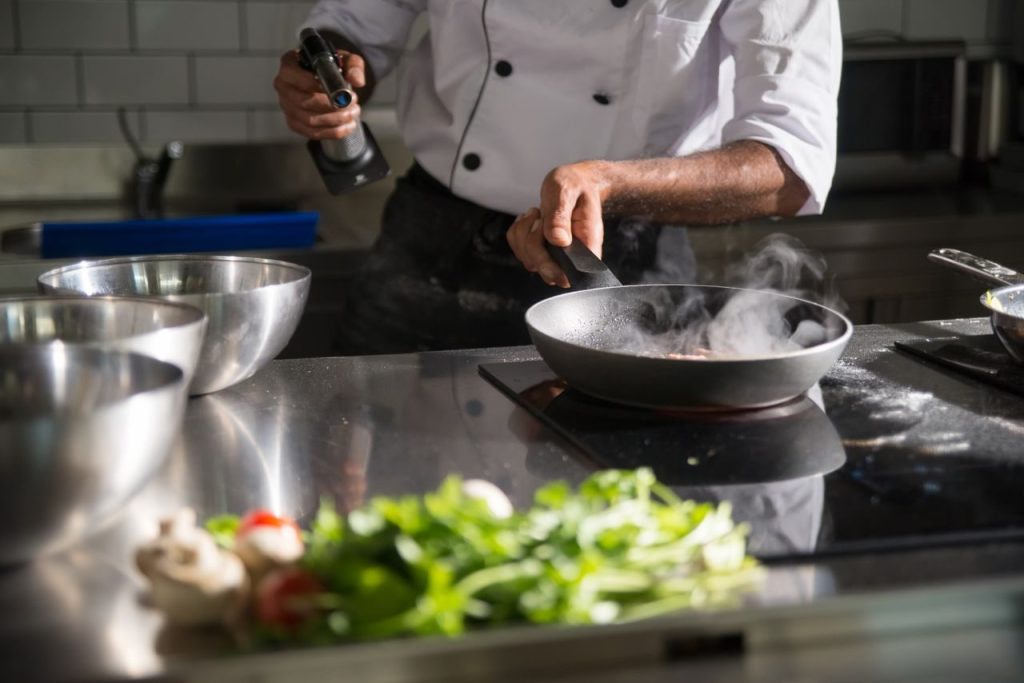
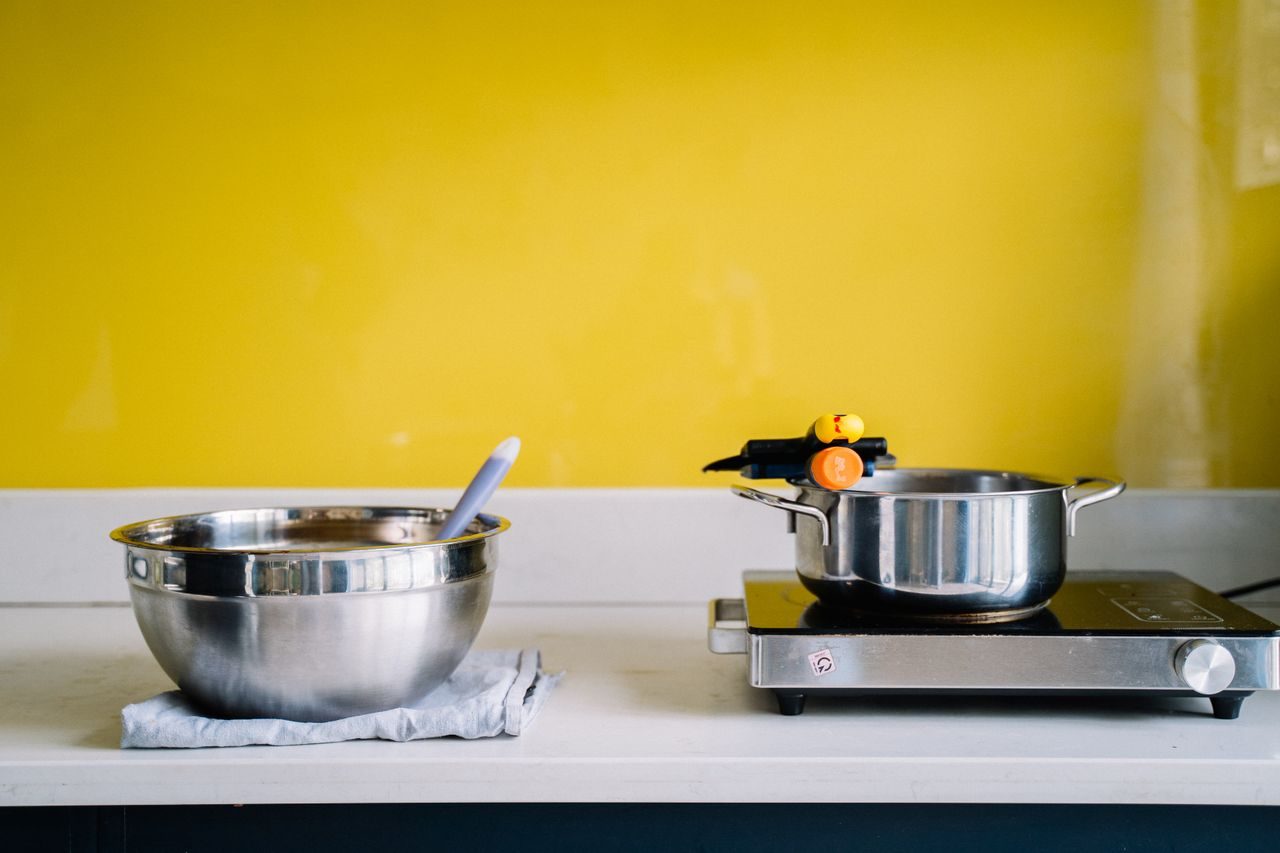
A small hob becomes easier to use when you plan the space as well as the recipe. With the appliance off, set out the suitable pans you expect to need and look at the complete footprints. Include handles, lids and the room for your hands. Two vessels may each fit a zone separately while making an awkward arrangement together, so assess the combination before any food becomes hot.
Read the cooker manual for placement and cookware requirements. Do not assume a broad pan can straddle zones or sit partly outside the intended area simply because the kitchen is busy. If the documented arrangement does not fit the proposed meal, revise the equipment or sequence. It is better to change the plan while the ingredients are cold than to improvise support or reach around an unsuitable layout during cooking.
Write the sequence
Break the meal into stages that genuinely need the hob and stages that do not. Preparation, plating and assembling a cold element may be possible before the main cooking starts. A written order exposes which steps compete for the same space. Follow the recipe and appropriate food-safety guidance when considering any pause or holding period; a free burner is not a reason to leave prepared food in an unsuitable condition.
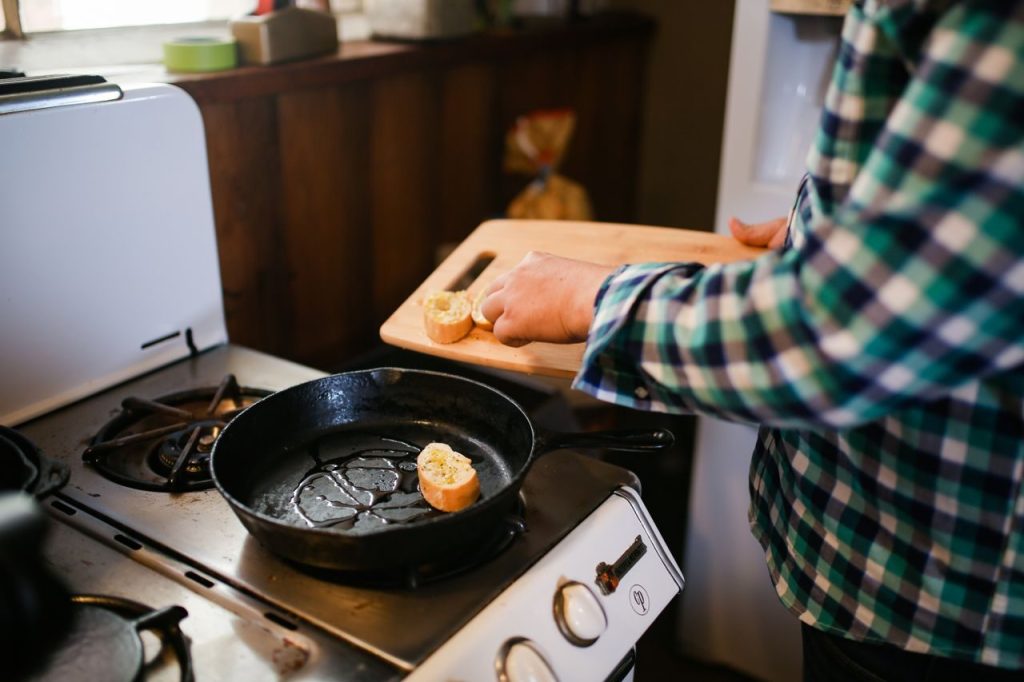
Where possible, choose a menu designed for the equipment available rather than a collection of dishes each demanding simultaneous attention. A simple main and one side can be a better fit than three separate hot components. This is not about making dinner less ambitious; it is about matching the workload to the cooker and the person using it so each stage can be observed and handled comfortably.
Choose complementary vessels
Compare pan base dimensions and handle positions when selecting the combination. A smaller saucepan may meet the recipe’s requirements while leaving more space for a broad pan on another zone. Do not choose the smallest item blindly, because it still needs appropriate capacity and appliance compatibility. The useful pairing balances the food quantity, the cooking method and the physical space left around each vessel once both are in place.
Check which lids are actually required and plan where removed lids will land. They can consume as much practical workspace as another pot when left without a designated spot. A clear, suitable landing area beside the hob helps prevent a lid from being balanced on another vessel or placed where it blocks the next step. Include utensils in the arrangement so they do not create clutter across the available controls.
Reduce hot rearranging
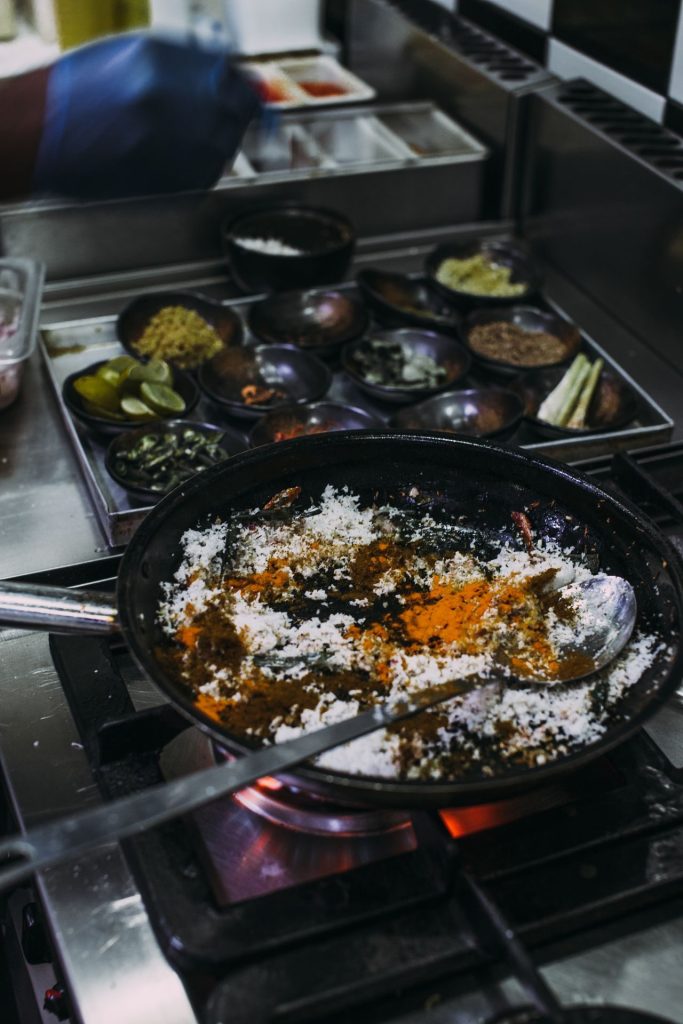
Frequent movement of loaded cookware adds work at the busiest point in the meal. Decide which pan will remain in place and which, if any, needs to be removed as part of the recipe. Prepare the destination and suitable protection before that stage. Avoid carrying a hot vessel farther than necessary or holding it while searching for a trivet, a serving dish or a gap on the worktop.
If the meal repeatedly requires awkward reaching, reconsider its sequence rather than accepting the problem as a normal part of small-kitchen cooking. You might change the side dish, use a recipe intended for fewer vessels or reduce the quantity to a manageable portion. The answer should respect the appliance instructions and food handling requirements, not depend on squeezing one extra pot into an arrangement that is already uncomfortable.
Repeat the layout that works
After the meal, note which step competed for space and which piece of cookware created the obstruction. Keep the observation specific: a long handle blocked access, a lid had nowhere to go or the saucepan was larger than the recipe required. This gives you a concrete improvement for next time and avoids buying another pan simply because the evening felt crowded without identifying why.
A useful small-hob routine is repeatable: suitable vessels, prepared ingredients, a clear sequence and a stable landing area. It does not need every zone running at the same time. Build a few meals around arrangements you can manage comfortably, then vary ingredients within appropriate recipes. That creates flexibility without turning each dinner into a fresh attempt to fit more cookware onto an appliance whose physical space and operating limits remain unchanged.