
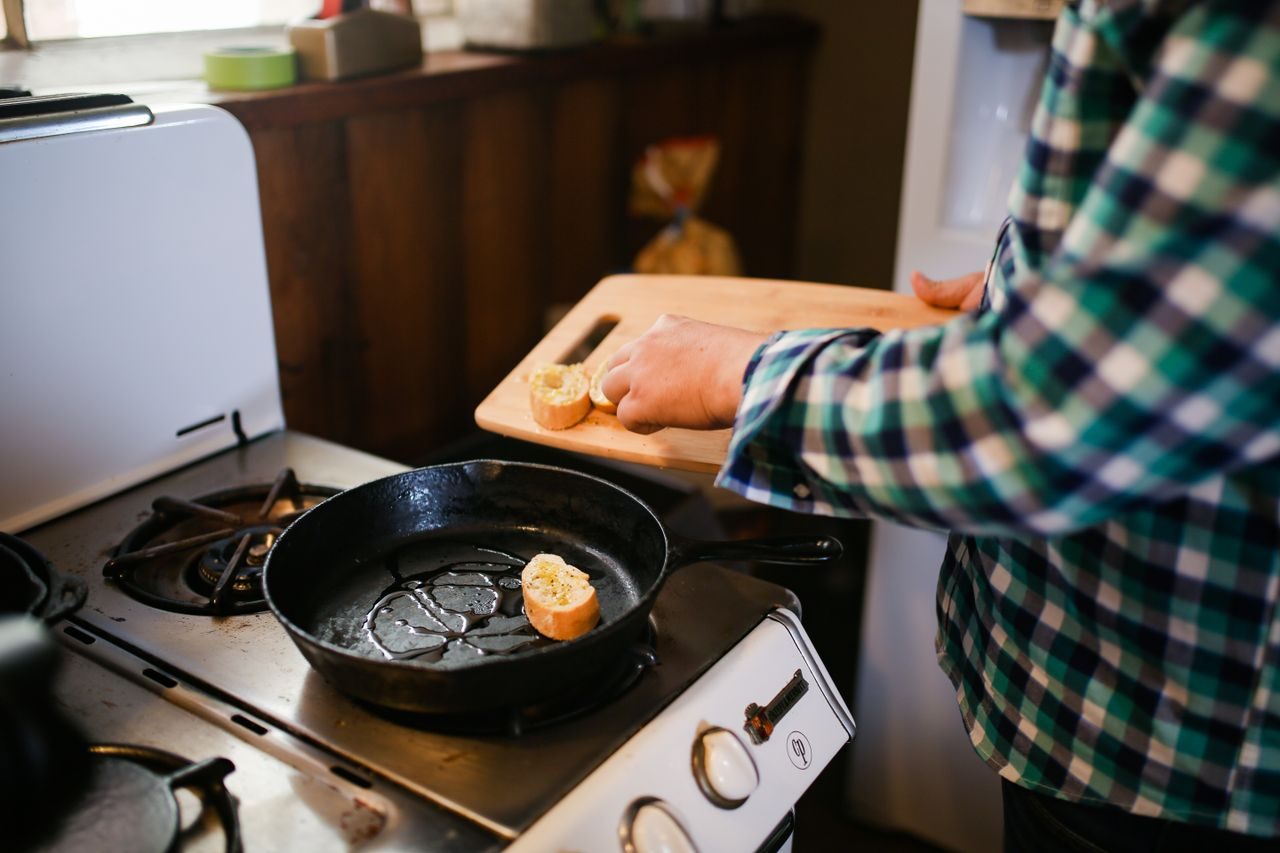
Know which circle is measured
A pan diameter can refer to a measurement that is not the part resting on the cooker. Retailers often emphasise the upper rim because it describes the size category of the vessel or its matching lid. The base may be smaller, particularly where sides slope outward. Before comparing pans, identify the measurement you need and avoid treating two different circles as though they describe the same contact with the cooking zone.
Ask for the working base diameter when it is absent from the listing. Record the rim and base measurements separately, together with the product reference. A photograph of the underside can help explain the shape but should not replace a clear specification. If a seller cannot clarify the dimensions, consider whether another product offers the information needed to make a confident appliance match before purchase.
Read the zone instructions
Consult the manual for your exact cooker model and look for its cookware-size and placement guidance. Do not transfer requirements from another appliance merely because the control panel or cooking surface looks similar. Different zones and arrangements may have their own instructions. Compare the measured base directly with those documented requirements, including any instructions specific to the cooking zone you intend to use.

If the appliance has flexible or combined-zone functions, read how they are intended to be used. A wide vessel is not automatic permission to spread cookware across unrelated zones or place it wherever it appears to receive heat. Use only the documented arrangement. When the instructions remain unclear, ask the appliance maker with the model and pan dimensions rather than trying successive improvised positions during a meal.
Consider more than diameter
Base shape, stated compatibility and the complete vessel still matter after you have measured the circle. A suitable diameter does not establish that an unidentified material or damaged pan is appropriate for the hob. Check the cookware manufacturer’s compatibility statement and care instructions. Treat measurements as part of a fit assessment, not a standalone test that can answer every question about construction, surface condition or permitted heating methods.
Include handles and neighbouring cookware when considering the footprint. A pan may meet a zone’s requirements yet occupy too much space for the meal’s other vessels. Lay out the intended arrangement with the cooker off and confirm comfortable access to each handle. Planning the combination reduces the need to move hot loaded cookware simply because the final saucepan has nowhere convenient to sit.
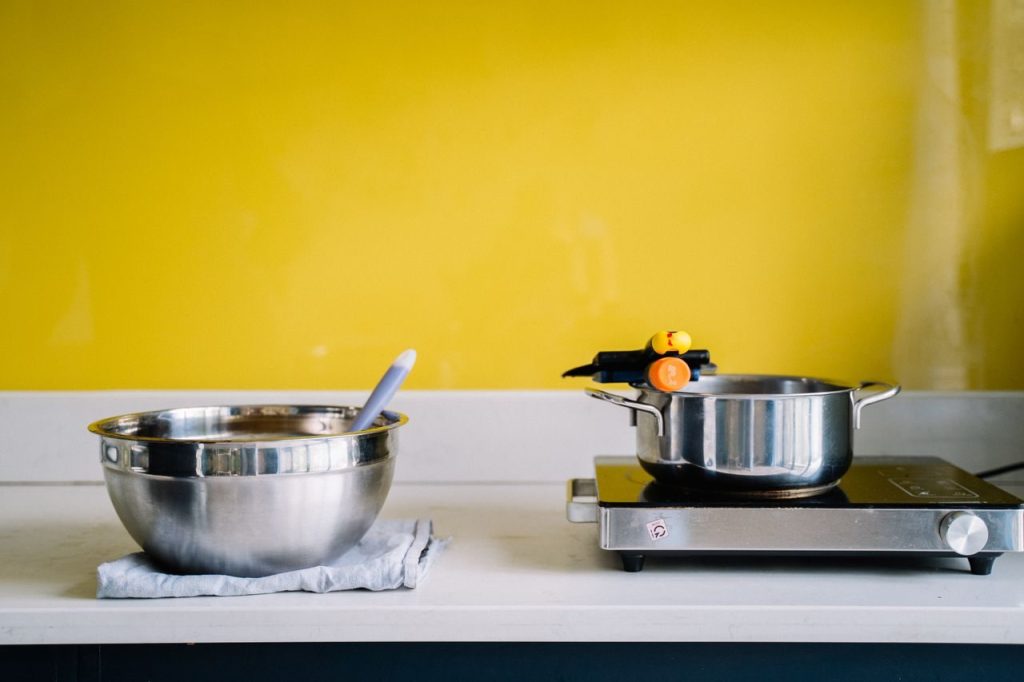
Use clear comparison notes
When shopping, create a table with one row per candidate and separate columns for rim diameter, base diameter, depth and overall length. Add the hob compatibility statement and any relevant requirements from your manual. Leave uncertain fields blank rather than converting a guessed measurement into a fact. This makes a small shortlist easier to review and reveals when a product description is too vague to support a decision.
Use an existing pan as a practical reference, but check which measurement you are comparing. If it fits a familiar meal comfortably, note its usable cooking area and handling arrangement. The replacement may not need the same rim size if its shape differs. Choosing by a single headline number can produce an unexpected change in working space, even when the new item looks almost identical in a retailer’s photograph.
Keep the match current
Review compatibility when changing the cooker, buying a different pan or using a borrowed vessel. A pan that suited an older appliance should not be assumed suitable for a new one without checking. Keep the product references accessible for everyone sharing the kitchen. Clear information is particularly helpful where several similar-looking pieces have different bases, materials or instructions, so appearance alone is not a reliable household guide.
A well-matched pan is one whose documented base and construction fit the intended zone, with enough room for comfortable handling and the food you plan to cook. That conclusion uses information from both pieces of equipment. It is more dependable than choosing a pan because its rim seems to match a printed circle, assuming that larger always means better coverage or relying on a general material label detached from the actual product.