Read the liquid requirement
A simmering recipe needs attention to the amount and role of its liquid. Read the method before starting and identify whether it expects a covered pot, an uncovered reduction or additions during cooking. Those are different arrangements. Do not assume that every dish described as simmered can be left with the same lid position and control setting for the same period, regardless of the vessel or ingredient quantity involved.
Measure the initial liquid as the recipe directs and prepare any later additions in advance. Keep the ingredients and their safety requirements in mind rather than treating the process as a cookware-only question. A dish can change as it cooks, so the instructions may call for stirring or checking at particular stages. Organising those steps before heating helps you avoid losing track while another part of the meal demands attention.
Choose a suitable vessel
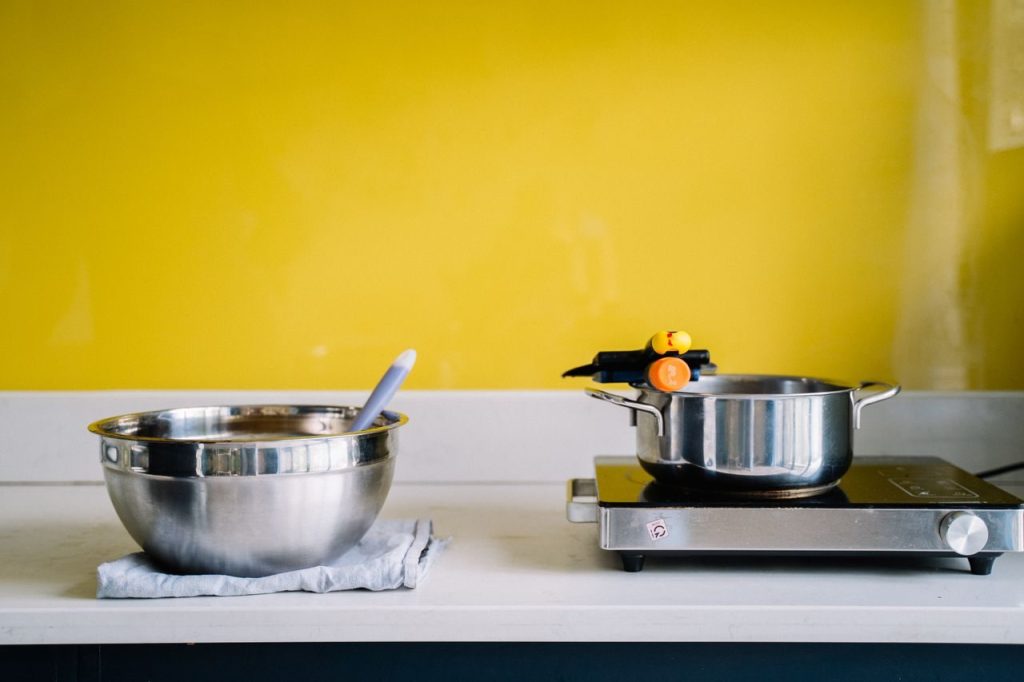
Consider the usable capacity and the space needed for stirring. A pot that is nearly full before cooking begins leaves little room for the movements the method may require. Compare the recipe’s intended size and shape with the vessel you plan to use. A different diameter or depth can create a different cooking situation, so avoid assuming that matching the total capacity alone makes every substitution equivalent.
Check the lid fit and the maker’s instructions for the cookware. Use the appliance manual for permitted placement and operation. The familiar phrase low heat does not establish a universal knob position across different cookers. Begin with the method and observe the contents, making deliberate adjustments within the equipment guidance rather than leaving the setting untouched because a recipe used a broad descriptive word.
Keep the process attended
A simmer is still active cooking, not a permission to leave the home or begin an unrelated activity that prevents checking the pot. Keep the stage within your attention and follow the recipe’s observation and stirring requirements. A timer can remind you to check, but it does not establish that the liquid level or food condition remains suitable while the vessel continues to receive heat.
If you need to stop cooking, use an appropriate safe food-handling plan for the dish rather than improvising a long pause at an uncertain temperature. Food safety depends on more than whether a pot looks warm. Consult authoritative guidance for the ingredients and process when necessary. The practical aim is to choose a cooking period you can supervise, not to stretch a simmer into a substitute for a documented holding or storage method.
Check without rushing
When the recipe calls for looking or stirring, prepare the utensil and a suitable place for the lid before lifting it. Use appropriate protection and keep hands and face clear of escaping steam. Take the time to assess the contents rather than lifting the lid repeatedly without a purpose. The useful question is whether the recipe’s next step is due or whether the liquid and food need attention.
Do not add an unplanned large quantity of liquid solely because you worry about the pot becoming dry. Read the intended method and make any adjustments appropriately for the dish. If something has gone wrong, turn attention to a safe response rather than trying to rescue the appearance at all costs. A cookware article cannot assess whether an unknown interrupted or overheated meal remains suitable to eat.
Improve the next cooking plan
After a successful meal, note the recipe quantity, vessel and sequence that worked in your kitchen. Keep those notes specific rather than publishing a universal setting or exact simmer time for all pans. If the process was difficult to supervise, choose a more suitable recipe or a simpler menu next time. Reducing competing tasks can make checking and stirring easier without changing the equipment at all.
Before each repeat, confirm that the same vessel and quantity are being used and read the method again. A larger batch or different pot may need a revised plan and appropriate doneness checks. A dependable simmer is built from suitable cookware, clear instructions, attended cooking and safe handling afterwards. It should not depend on hoping that a single low setting will prevent every dish from losing too much liquid while no one is watching.