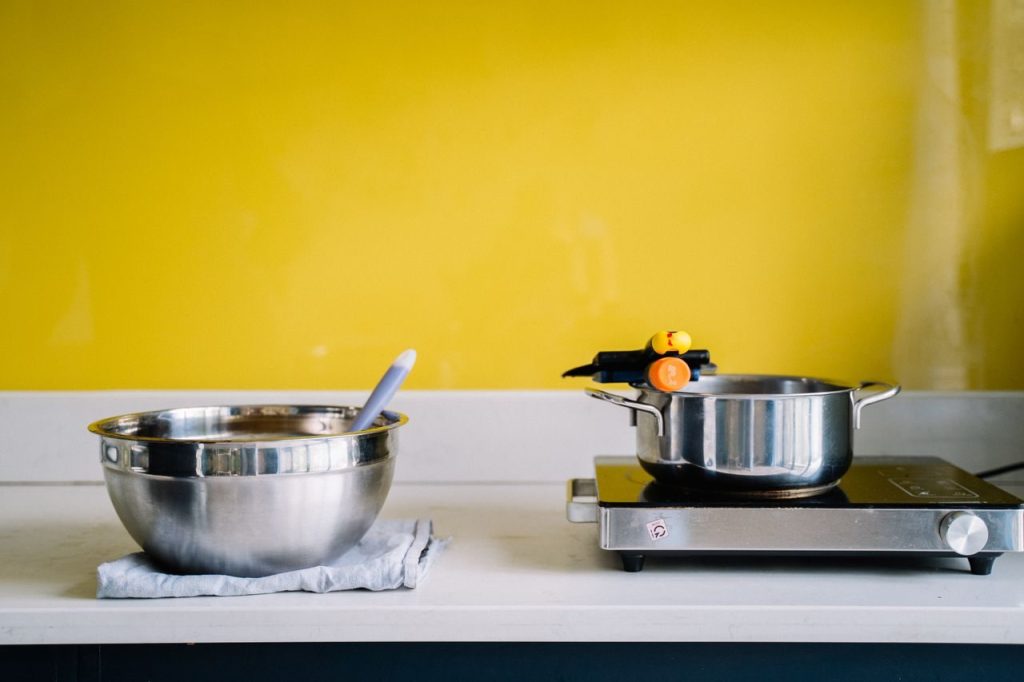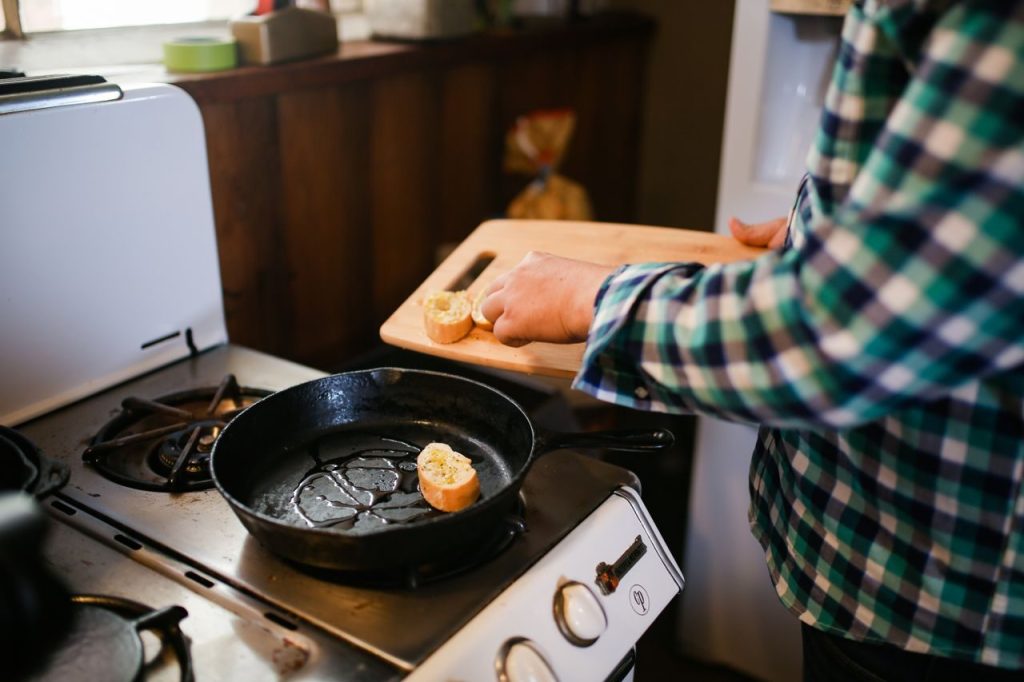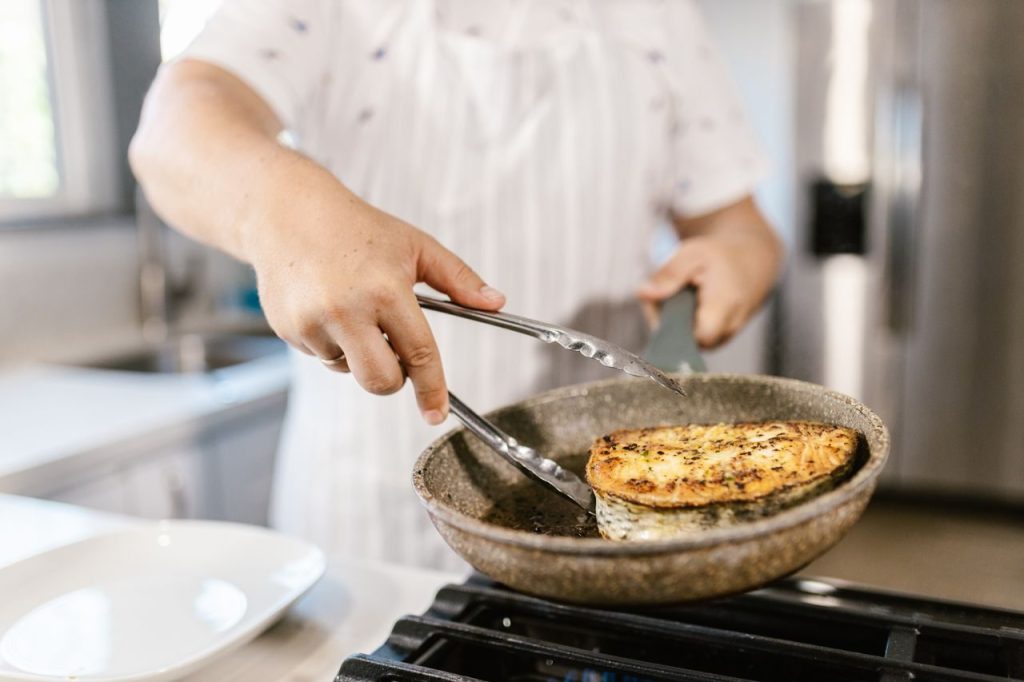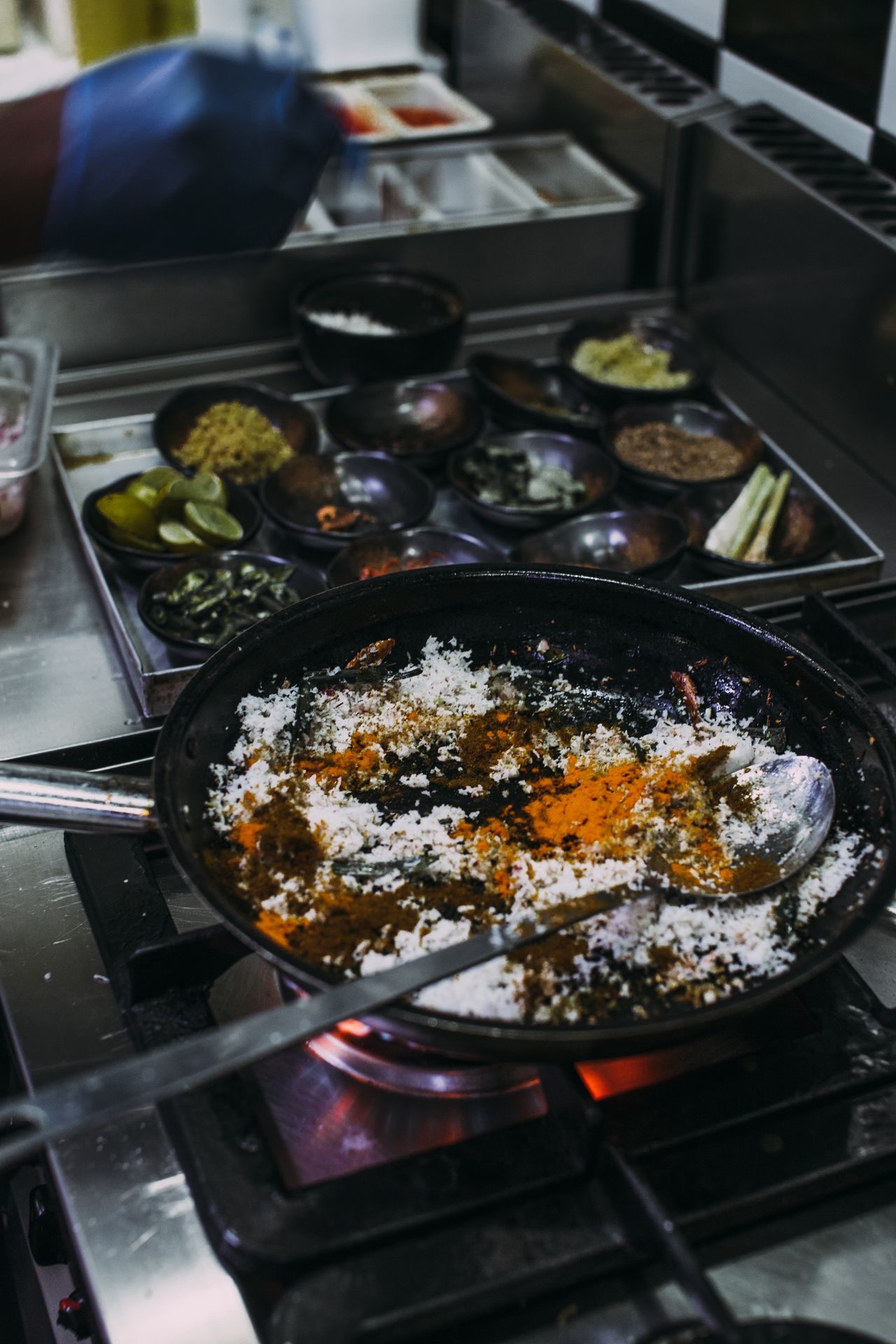
Storage constraints and the pattern of meals cooked at home often pull in different directions when adding to a cookware collection. A household that prepares simple one-pan dinners three or four times a week needs fewer pieces than one that roasts, simmers and sautés on the same evening. The practical task is to list the meals made most often, measure the space available for pans and lids, then choose items that cover those meals without filling every shelf.
Once the list of frequent dishes is written down, compare how many separate vessels each dish actually requires. A pasta meal can be completed with one large saucepan and one frying pan; a roast dinner may need a roasting tray plus a saucepan for vegetables and a smaller pan for gravy. Counting these overlaps reveals whether an existing set already covers the routine or whether one additional versatile piece would remove the need for several others.
Measuring storage before counting pans
Cupboard depth and shelf height determine how many pans can stand upright or nest. Flat lids stack more easily than domed ones, yet domed lids give more headroom for certain simmering tasks. Before buying, record the internal dimensions of the space and note whether pans will be stacked, hung or kept in drawers. This record prevents later purchases that fit the hob but not the cupboard.
Vertical storage on wall hooks frees floor-level cupboards for heavier items such as stockpots. Horizontal stacking inside a deep drawer works only if lids are stored separately; otherwise the stack becomes unstable each time a lid is removed. Both arrangements have clear capacity limits that can be measured in advance.
Listing meals and matching vessel shapes
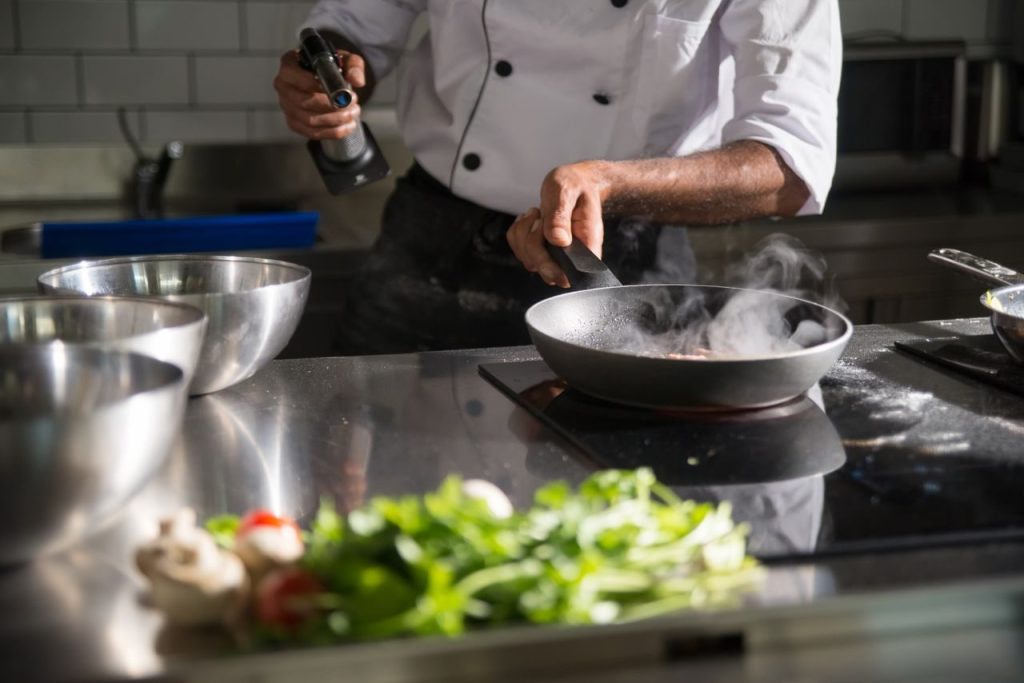
Write the five or six dishes prepared most often and note the pan shape each requires. A wide, shallow frying pan suits stir-fried vegetables; a taller straight-sided sauté pan holds liquid for braising. Where two dishes share the same shape and size, one pan serves both. Where they differ, decide whether the less frequent dish can be adapted to the pan already owned or whether a second shape is justified.
Portion size also matters. A two-person household may find a 24 cm frying pan adequate for most evenings, while four portions of the same dish overflow that diameter. Measuring the base of the largest regular batch against the hob zones shows whether the existing pan is sufficient or whether diameter is the limiting factor rather than total quantity.
Comparing single-use and multi-function pieces
A dedicated milk pan occupies little space yet performs one narrow task. The same volume can be heated in a small saucepan that also serves for sauces and reheating leftovers. The trade-off is that the multi-function pan may have a handle angle less convenient for pouring milk. Checking the pouring lip and handle position against the intended task clarifies whether the extra specialism is worth the additional storage slot.
Roasting trays illustrate a similar choice. A deep tray can double as a baking dish for gratins, but its height reduces oven capacity when two trays are needed simultaneously. A shallower tray fits more easily beside another dish yet cannot contain roasting juices without spillage. The decision rests on how often two trays are used at once versus how often juices must be retained.
Accounting for hob type and oven use
Induction hobs require flat, ferrous bases; gas burners tolerate slight warping but need stable pan diameters that match the flame circle. When storage space limits the total number of pans, each new piece must work on the hob already installed. Manufacturer instructions for the hob state the minimum base diameter and material compatibility; these limits narrow the options before any cupboard measurement is considered.
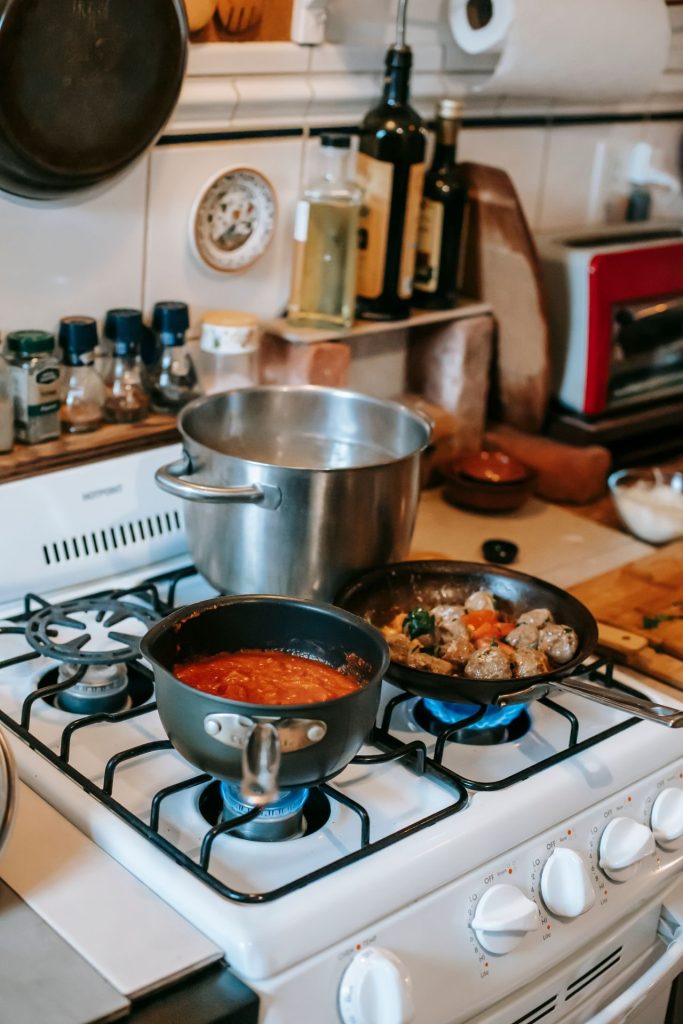
Oven-to-hob transfer adds another constraint. Lids must withstand the same temperature as the pan body, and handles must remain accessible once the vessel is inside the oven. Checking these specifications against the meals that move between hob and oven prevents later discovery that a stored lid cannot be used for the intended dish.
Factoring cleaning time into collection size
More pans increase the number of items to wash after each meal. Non-stick surfaces reduce scrubbing effort but require gentler tools and lower heat settings according to the care label. Stainless steel tolerates higher temperatures and metal utensils yet may need soaking to remove burnt-on residues. The time cost of these routines should be weighed against the benefit of having a separate pan for each meal stage.
Dishwasher suitability is stated in the manufacturer’s manual. Even when a pan is labelled safe, repeated cycles can affect non-stick coatings or discolour aluminium. Households that prefer to load the dishwasher therefore compare the manual’s guidance with their own cleaning preference before adding another piece.
Reviewing the collection as household size changes
Household size rarely stays constant. When numbers increase, the same set of pans may require longer cooking times or batch cooking in sequence. When numbers decrease, some pans sit unused and occupy space that could hold more frequently needed items. A periodic check of which pans were used in the previous month against the current household size shows whether the collection still matches daily needs or whether one or two pieces can be removed without affecting meal preparation.
Replacement decisions follow the same logic. A loose handle that cannot be tightened according to the manufacturer’s instructions, or visible wear that affects even heating, indicates the pan has reached the end of reliable service. Manufacturer guidance on handle replacement or surface damage provides the objective test rather than subjective appearance.