Read the whole recipe first
A casserole used on both hob and oven needs to suit the entire cooking sequence. Read the recipe before choosing the vessel and note where it is heated, covered, moved and served. A dish that begins with frying and finishes in the oven has different practical demands from one assembled cold. The correct starting point is that sequence, not a photograph of a casserole on a table.
Write down whether the recipe requires a lid and whether any later stage uses an uncovered vessel. Check that there is space to stir and handle the contents without using the advertised volume as a fill target. If a recipe names a particular size or shape, understand why before substituting. A different vessel may require more thought than simply matching its capacity in litres to the original item.
Verify every component
Read the manufacturer’s oven instructions for the exact product, including handle, lid, knob and any trim. Do not assume that a substantial body makes every attached component suitable for the same conditions. An accessory added later may have different restrictions. Keep product references together so that the instructions you consult genuinely apply to the complete arrangement you intend to place in the oven.
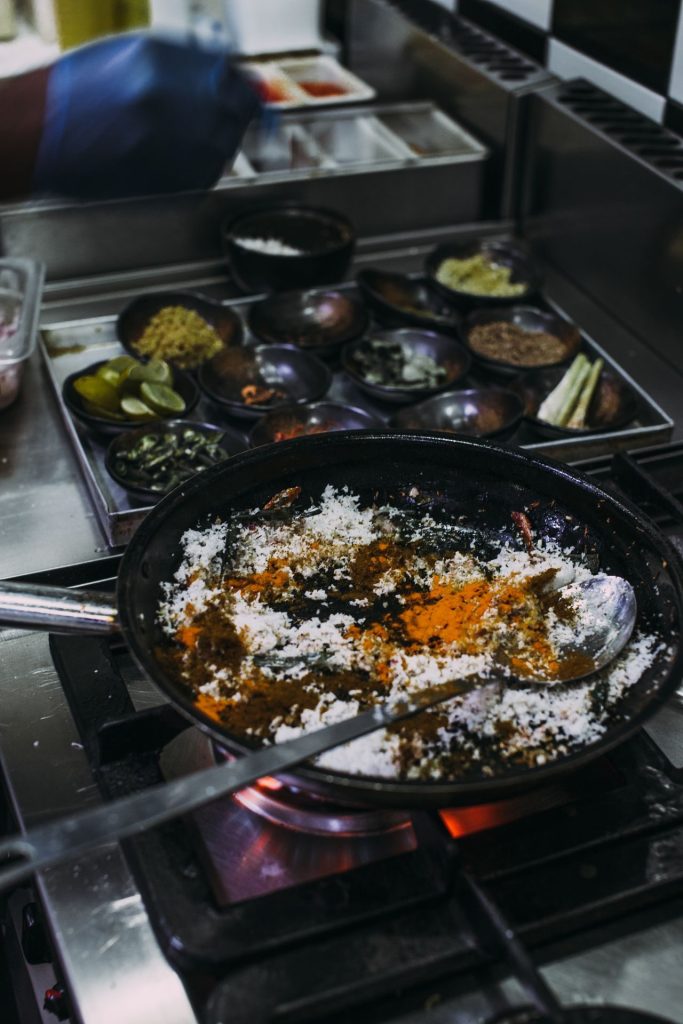
Hob suitability requires its own check. Confirm the base size and approved appliance types, then compare them with your cooker manual. A casserole described as versatile should still have clear compatibility information. When the listing is vague, ask the maker rather than inferring permissions from a material label or borrowing the instructions for another vessel that happens to look similar in a catalogue.
Measure the oven route
Measure available oven space with shelves in the position you expect to use. Include the lid and handles, and allow room to take hold with appropriate protective gloves. A vessel that only just fits may be difficult to remove comfortably. Consider the opening as well as the interior dimensions, because the practical movement into and out of the oven is part of compatibility.
Identify a stable heat-appropriate landing place beside the oven before cooking starts. Clear unrelated items from that area so you do not need to search for space while holding hot cookware. Think about who will move the vessel and how it will be supported. A smaller casserole or a different serving arrangement can be a sensible choice when the loaded item would otherwise be awkward to handle.
Separate cooking from presentation
Serving in the cooking vessel can be convenient, but it creates another set of handling and space requirements. Check that the table arrangement includes a suitable stable trivet and room around the hot dish. Consider how portions will be served without an awkward reach. The attractiveness of the casserole should not decide whether carrying it to the table is appropriate for your household’s layout and comfort.
There is no obligation to serve directly from the casserole. Plating food in the kitchen may fit the situation better, especially if the vessel is heavy or the table is crowded. Plan where the lid will be placed during serving and how the contents will be handled afterwards. A complete routine includes clearing the meal as well as bringing an impressive-looking dish into the room.
Finish with cleaning and storage
Review the surface-care instructions before choosing washing tools or using the dishwasher. Different finishes and components can need different treatment. Let the product guidance govern cooling and cleaning rather than improvising with a very hot vessel. If there is stubborn residue, use the manufacturer’s approved method instead of assuming that the same cleaner suits both the inside and the outside of every casserole.
Measure storage with the lid included and arrange the cupboard so that the vessel can be retrieved securely. Keep the instructions accessible for other household members. A hob-to-oven casserole is useful when each stage fits comfortably: preparation, cooking, transfer, serving and washing. A buying decision that accounts for that complete route is stronger than one based solely on colour, capacity or a promise of doing everything in a single pot.