Name the regular reason
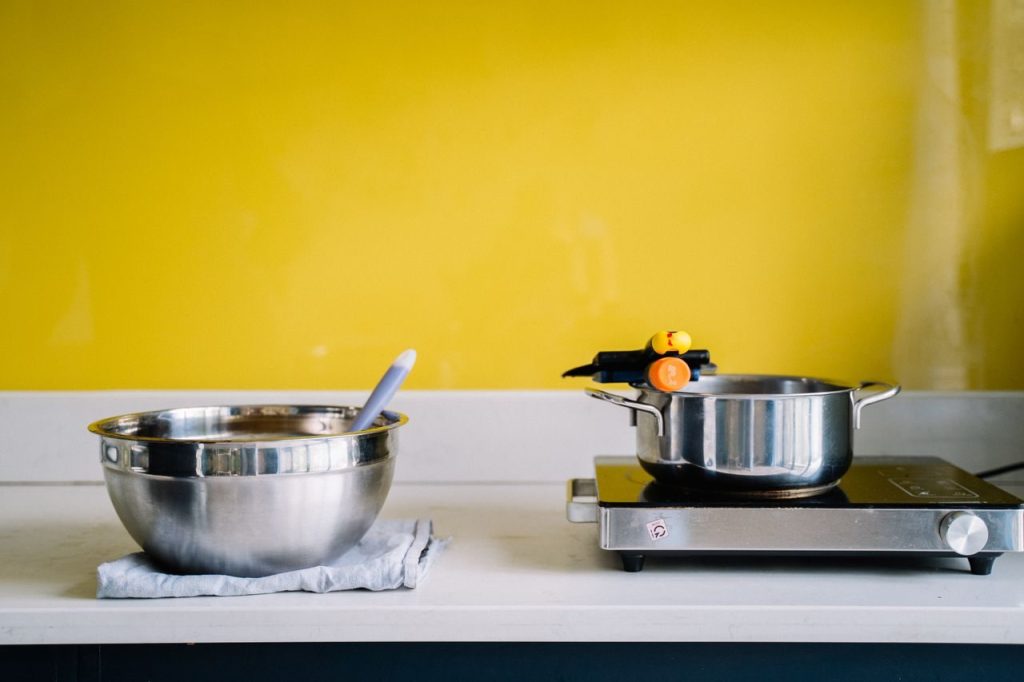
A stockpot can look like an obvious kitchen essential, yet its usefulness depends on what you actually cook. List the meals or preparations that exceed the comfortable capacity of your existing pots. If those occasions are rare, consider whether a different cooking plan would work with equipment you already own. A very large vessel should solve a repeated problem rather than represent an imagined future cooking routine.
Describe the intended task in practical terms: a larger vegetable soup, pasta for visitors or another recipe requiring room to stir. Keep the recipe’s requirements separate from the pot’s maximum volume. Capacity is not an instruction to fill to the brim. You need space for ingredients to move and for the method to proceed safely without turning ordinary stirring into a difficult balancing exercise.
Check height as well as width
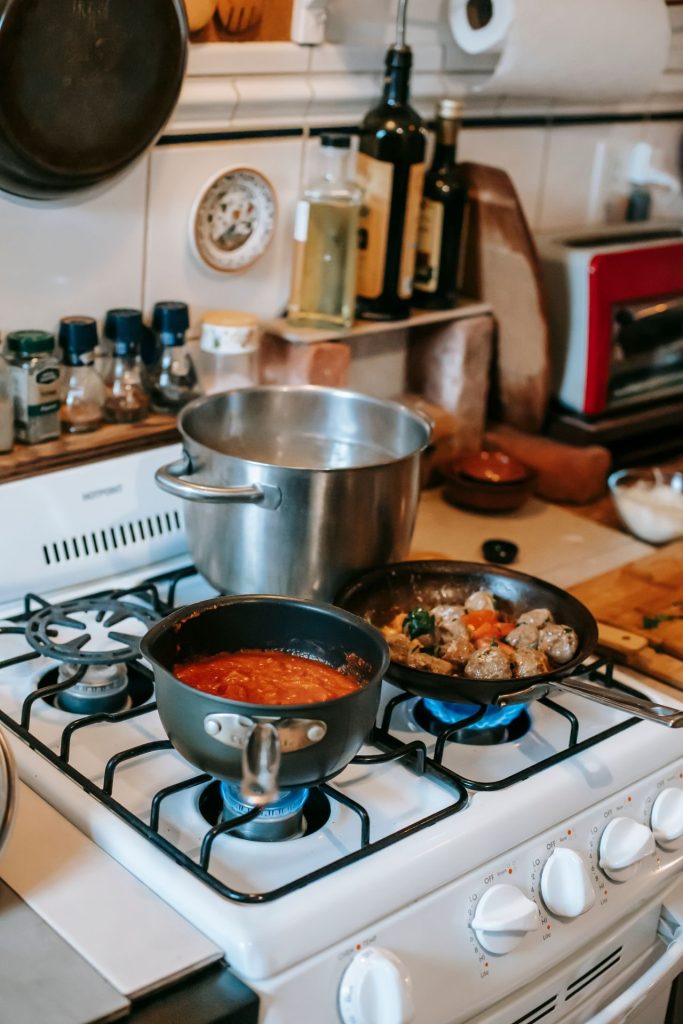
A tall pot may offer volume without a very broad base, but its height changes access. Consider the height of your cooker and your comfortable reach when stirring or looking inside. A deep vessel that seems compact on a shelf can be less convenient once placed on the hob. Compare actual dimensions with a familiar pot instead of using the product photograph as a scale model.
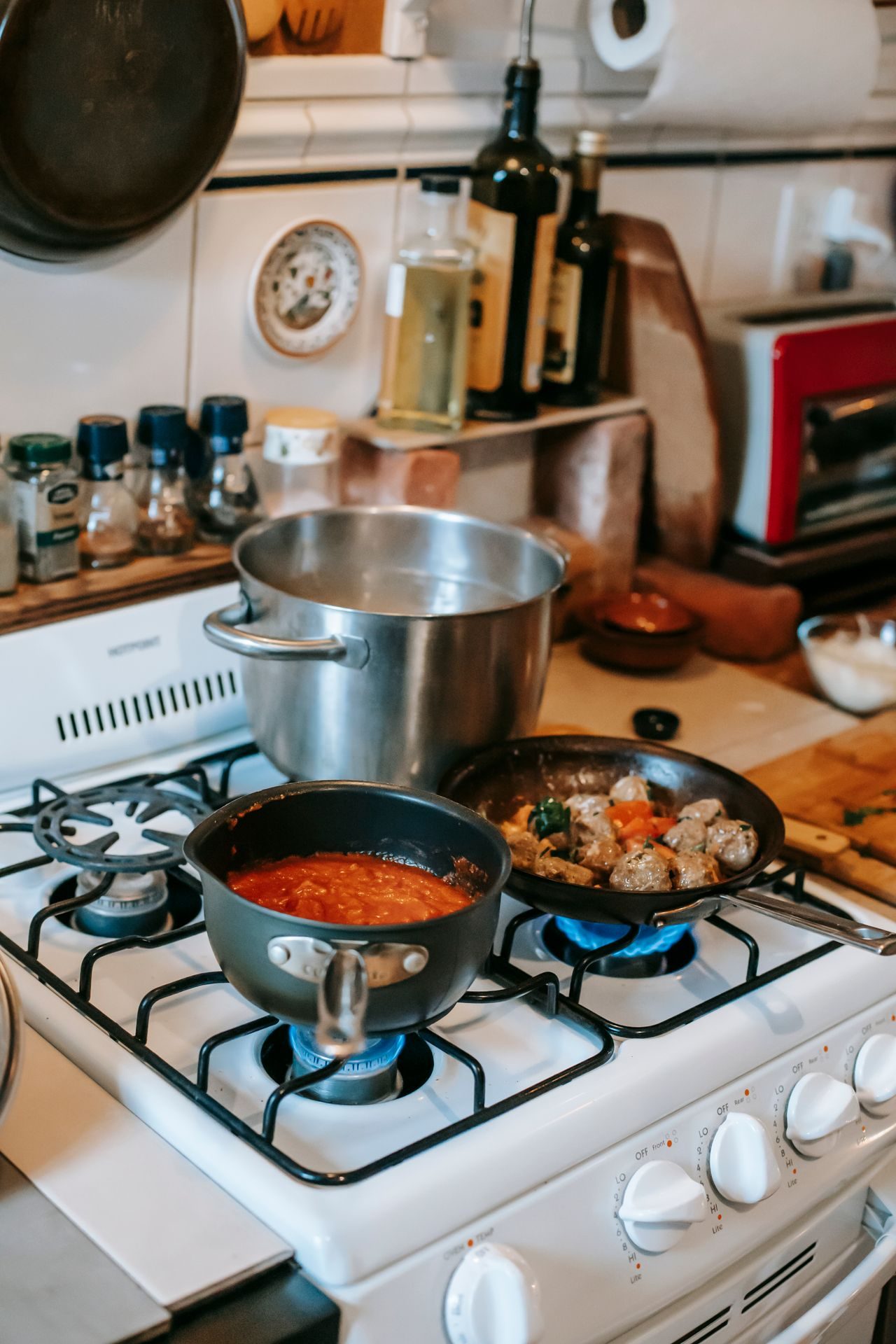
Look at the clearance above the cooking area and the arrangement of other appliances. Ensure the vessel can be used within the cooker manufacturer’s instructions and ventilation arrangement. Check hob compatibility and base dimensions directly. Avoid making a large pot fit by placing it awkwardly between zones or on an unstable support; a suitable footprint is part of choosing the item, not a detail to solve later.
Treat loaded handling seriously
The difference between empty and filled weight becomes especially important with a large pot. Think about how food will be served or transferred before you start cooking. A comfortable grip on an empty showroom item does not establish that you can carry it when full and hot. Choose capacity around a manageable routine rather than assuming that a pair of substantial handles makes every quantity easy to move.
Prepare a stable landing area and keep the route clear. If the intended method involves draining, consider whether you have an appropriate arrangement and can carry it out comfortably. Do not buy a bigger vessel on the assumption that you will work out a safe transfer method later. Handling requirements can justify a smaller pot or a different batch plan even when more cupboard capacity is technically available.
Count the storage cost
Measure the cupboard opening, internal height and shelf space with the lid included. A stockpot that fits only behind frequently used items may be difficult to retrieve, while one left permanently on the cooker can obstruct other work. Consider where it will dry after washing. These ordinary stages matter because a bulky vessel needs a place in the whole kitchen routine, not merely a position on one shelf.
Check the sink before deciding that washing will be straightforward. You need room to reach the interior and support the pot securely, following the maker’s surface-care instructions. Avoid choosing accessories until the main vessel’s dimensions are confirmed. A matching basket, lid or insert may add storage demands without helping the recipe you bought the pot to make, so assess each part independently rather than treating the bundle as automatic value.
Choose capacity with restraint
Compare your usual recipe quantities and household size with the candidate pots, leaving room for the method rather than aiming at the advertised maximum. Ask for missing dimensions and empty weight. If the bigger option creates handling or storage problems, acknowledge those costs instead of assuming extra capacity is always useful insurance. A smaller manageable pot can be the more practical tool even when its headline specifications look less impressive.
Keep a short record of what the stockpot is meant to do and where it belongs. This makes the choice easier to review if your household or cooker changes later. A small kitchen does not need every specialist shape, and a large pot earns its space through regular use. Buy for a real batch-cooking task that you can prepare, handle, wash and store comfortably from beginning to end.