Many home cooks start with a recipe that looks straightforward only to discover halfway through that the pans they have cannot handle the quantities or cooking stages involved. Adjusting the plan before you begin saves time and reduces waste while keeping results consistent.
Planning around existing pans requires checking capacity, heat distribution and hob compatibility first. The following sections outline frequent errors and the adjustments that keep meals on track without buying new equipment.
Checking portion sizes against pan volume
Recipes written for four servings often exceed the capacity of a standard 20 cm frying pan or 2 litre saucepan when the ingredients are added at once. Measure the largest pan you intend to use before shopping and scale quantities so the food sits no higher than two-thirds of the rim. This prevents boil-overs and allows room for stirring without spills.
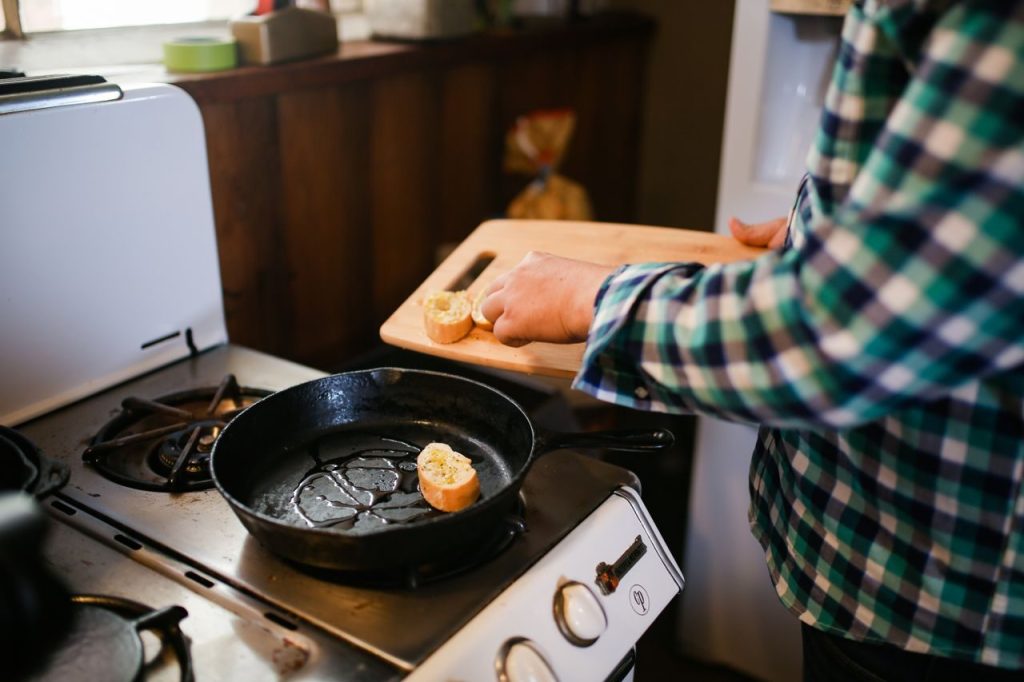
When a recipe calls for browning meat in batches, note the surface area of your pan rather than its stated litre capacity. Crowding raises moisture and lowers temperature, so divide the meat into portions that fit in a single layer. Cook one batch, remove it to a plate, and repeat; the extra minutes are shorter than correcting under-browned results later.
Accounting for preheating and recovery time
Placing cold ingredients straight into a room-temperature pan extends cooking time and can cause sticking on stainless steel or cast iron. Heat the empty pan on the chosen hob setting for two to three minutes, then add oil or fat and wait until it shimmers before introducing food. This step applies to every hob type and prevents the temperature drop that occurs when a large quantity hits a cooler surface.
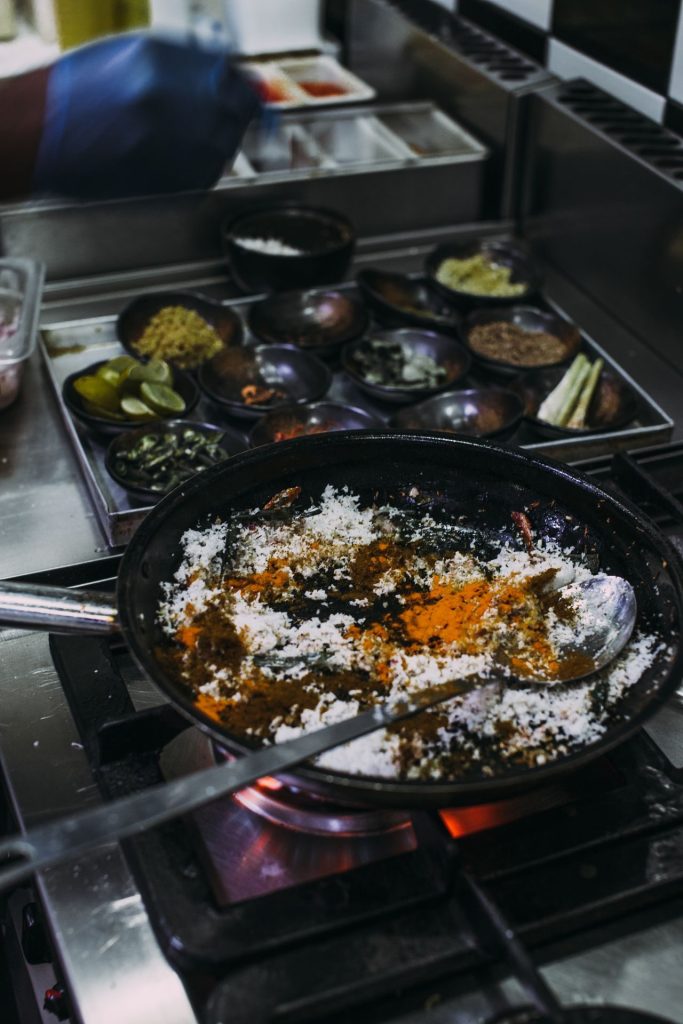
Induction and ceramic hobs recover heat faster than gas after ingredients are added. If your hob is gas, lower the flame slightly before the next batch so the pan does not overheat between loads. Keeping a second pan warm on a low setting allows you to transfer food without losing overall temperature control.
Sequencing dishes that share one or two pans
Start with the item that takes longest or leaves the least residue. Roast vegetables in the oven if the pan is needed on the hob, or begin with a sauce that can simmer unattended while you prepare protein. Write a short order on paper listing start times rather than relying on memory during the meal.
After removing cooked food, wipe the pan with kitchen paper while it is still warm if the next dish requires a clean surface. For dishes that tolerate shared flavours, such as onions for both a stew and a side, cook them first and divide them between two bowls before continuing each recipe separately.
Matching pan material to hob and recipe demands
Aluminium pans heat quickly but can react with acidic ingredients such as tomatoes or vinegar; transfer those mixtures to a stainless or enamelled vessel once the initial cooking stage is complete. Cast iron retains heat well for searing but requires drying immediately after washing to avoid rust. Check the manufacturer instructions supplied with each pan for hob suitability and maximum oven temperature before placing any lid or handle in the oven.
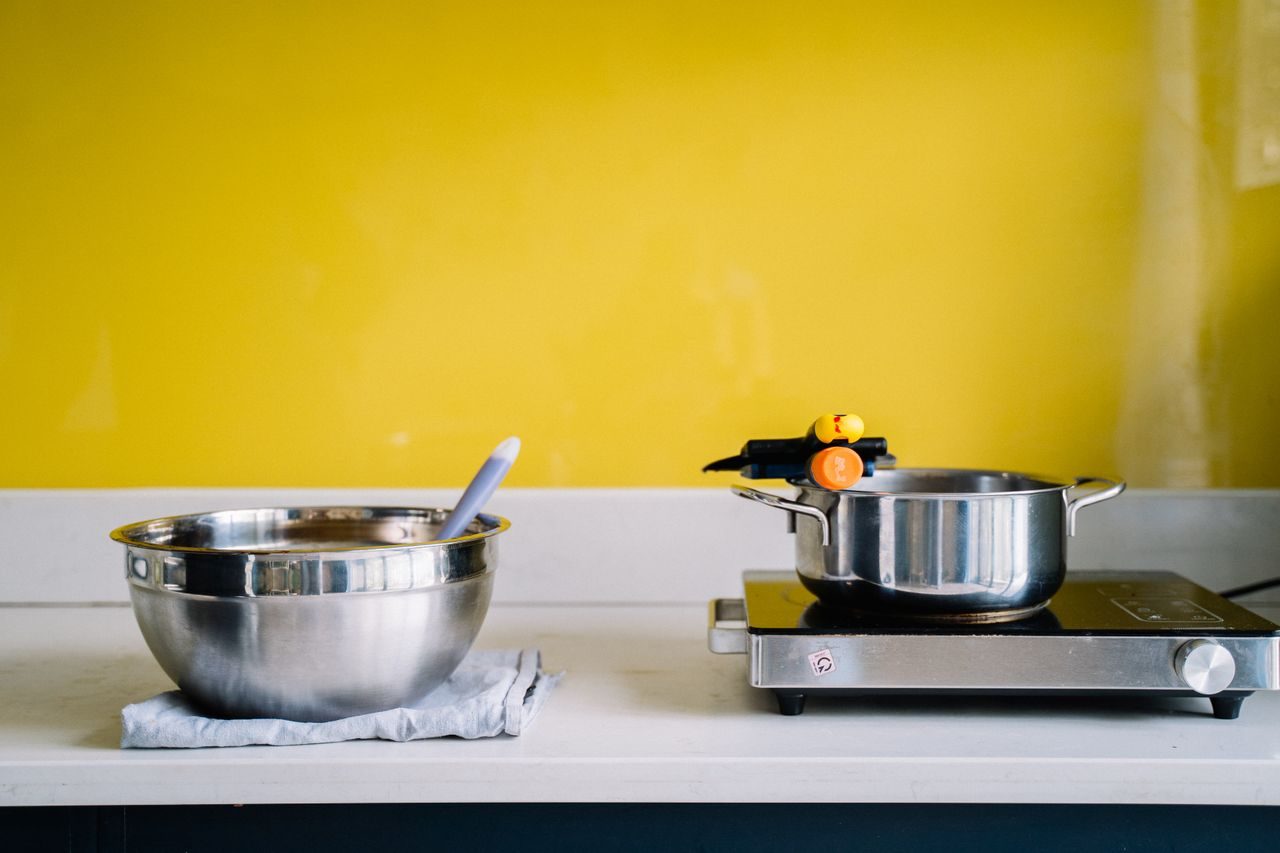
Non-stick coatings lose effectiveness above medium heat and should not be used for deglazing with metal utensils. Reserve them for eggs or delicate fish and move to stainless steel when reducing liquids or creating fond. Always confirm the base type—full cladding or disc—against your hob manual to avoid warped bases on induction.
Using lids to control moisture without guesswork
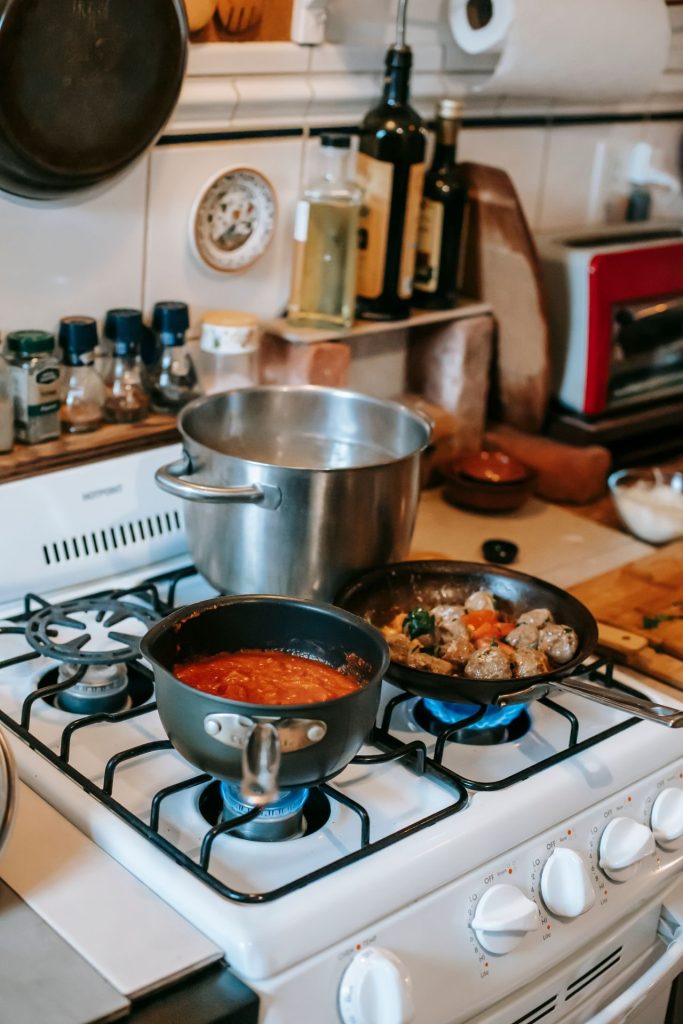
A lid traps steam and raises the internal temperature, which is useful for finishing thicker cuts or reheating leftovers. Remove the lid for the final minutes if you need to reduce liquid or crisp a surface. Glass lids allow monitoring without lifting, but metal lids can be slightly offset to vent excess steam when a recipe risks boiling dry.
Never place a lid rated only for hob use into a hot oven unless the manual states otherwise. Thermal shock from sudden temperature change can crack glass or loosen seals on enamelled pieces.
Storing leftovers safely while pans are still in use
Transfer hot food to shallow containers no deeper than 5 cm so it cools below 5 °C within two hours, following standard food-safety guidance. Keep one clean pan aside solely for reheating rather than using the same vessel for both cooking and storage. Label containers with date and contents so you can locate items quickly without rummaging through the cupboard.
When cooling stock or large batches, divide into smaller portions first. This prevents the centre of the mass remaining in the danger zone where bacteria multiply. Once cooled, the original pan can be washed and returned to the cupboard without occupying counter space overnight.
Reviewing the plan before starting to cook
Read the full recipe and list every pan required, including any needed for resting or holding. Note which steps can run simultaneously and which must follow in order. If two dishes both need high heat at the same moment, decide which can be moved to a low oven or prepared earlier in the day.
Keep a simple inventory of your most-used pans and their diameters so you can spot conflicts at the planning stage rather than during cooking. Adjust the menu or portion sizes accordingly and you will finish with equipment you already own.