Scale the ingredient list carefully
A recipe serving four can sometimes be adapted for two, but start by reading the whole method rather than halving every visible number automatically. Record the original quantities and the intended smaller batch so you can check the list. Some ingredients divide easily; others need measurement or a sensible recipe-specific adjustment. Keep the arithmetic separate from guesses about cooking time and avoid treating the serving label as a precise measure of everyone’s appetite.
Look for stages where the quantity has a particular role, such as a measured sauce or liquid needed by the method. If the adaptation is unclear, use a recipe written for two rather than improvising a version whose sequence you do not understand. A smaller batch should make the meal manageable, not create a new set of uncertain instructions that require correction after the pan is already hot.
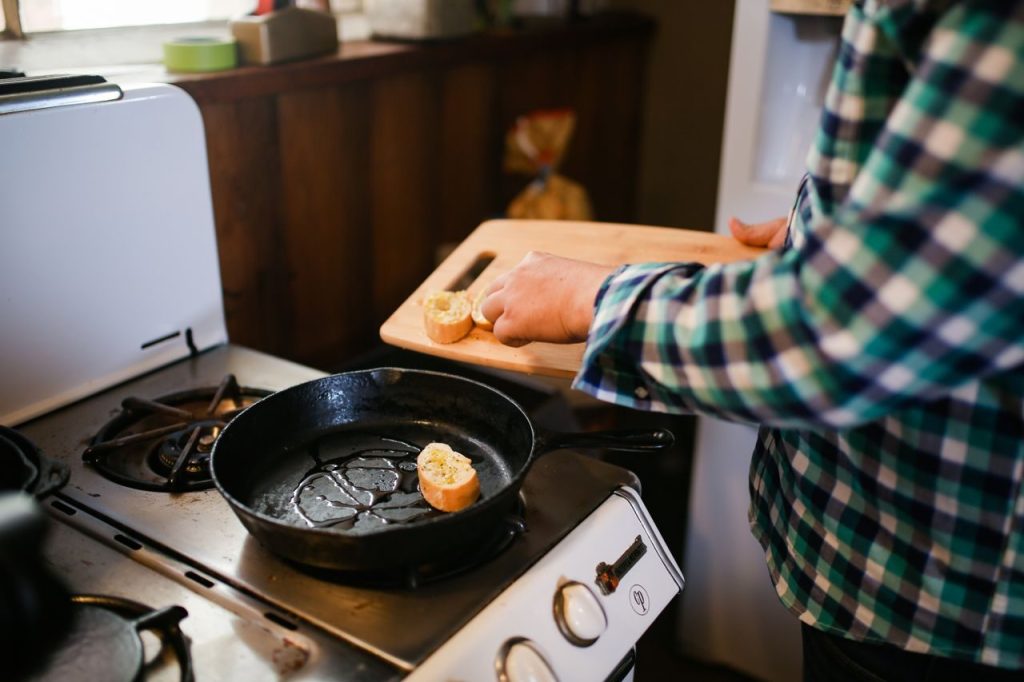
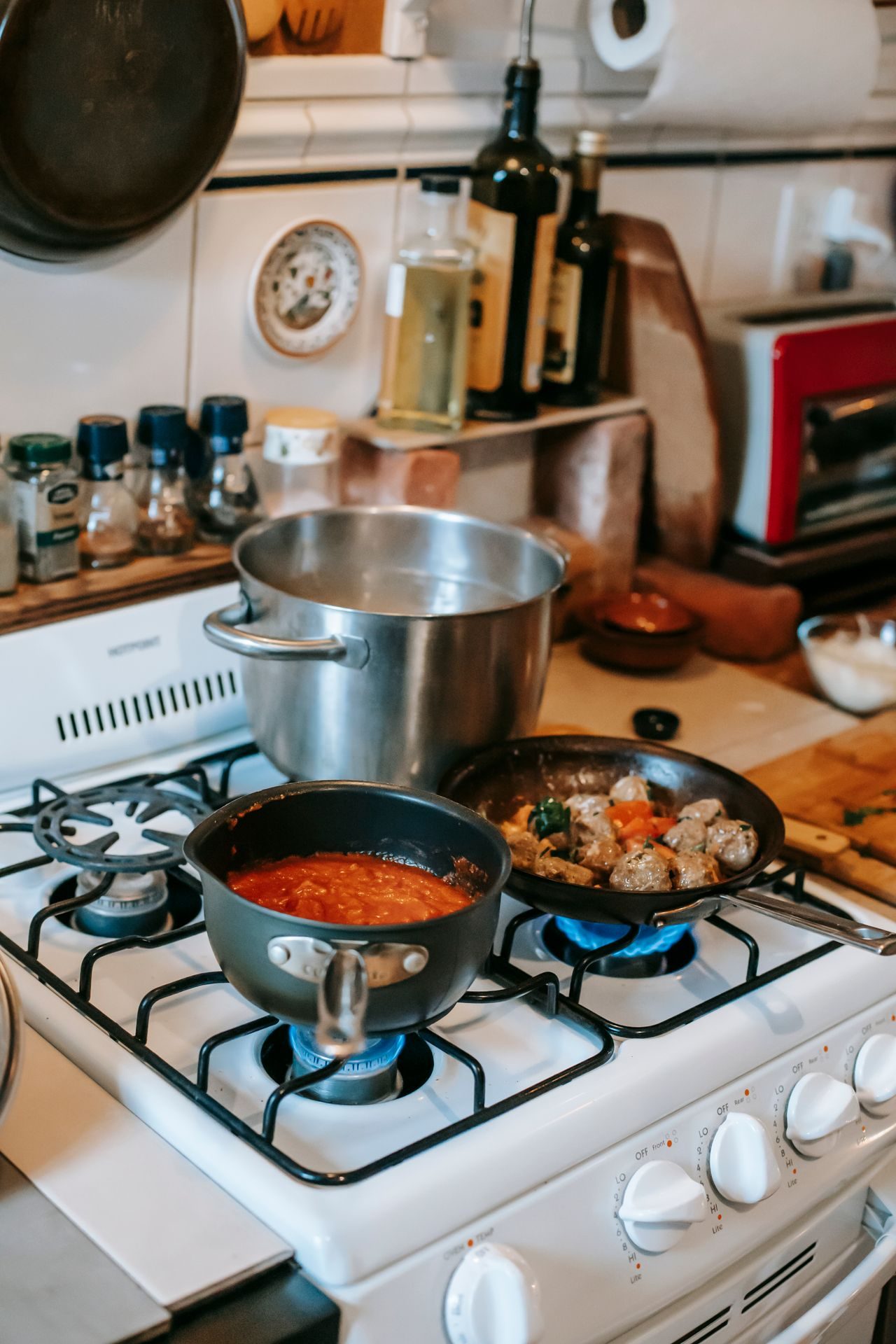
Match the vessel to the batch
A reduced ingredient quantity does not automatically need exactly half the pan diameter. Compare the actual working area, depth and arrangement required by the method. A recipe calling for a single layer has different needs from one designed for simmering in liquid. Think about how the food occupies the vessel rather than choosing a smaller item solely because its capacity figure seems proportional to the number of people eating.
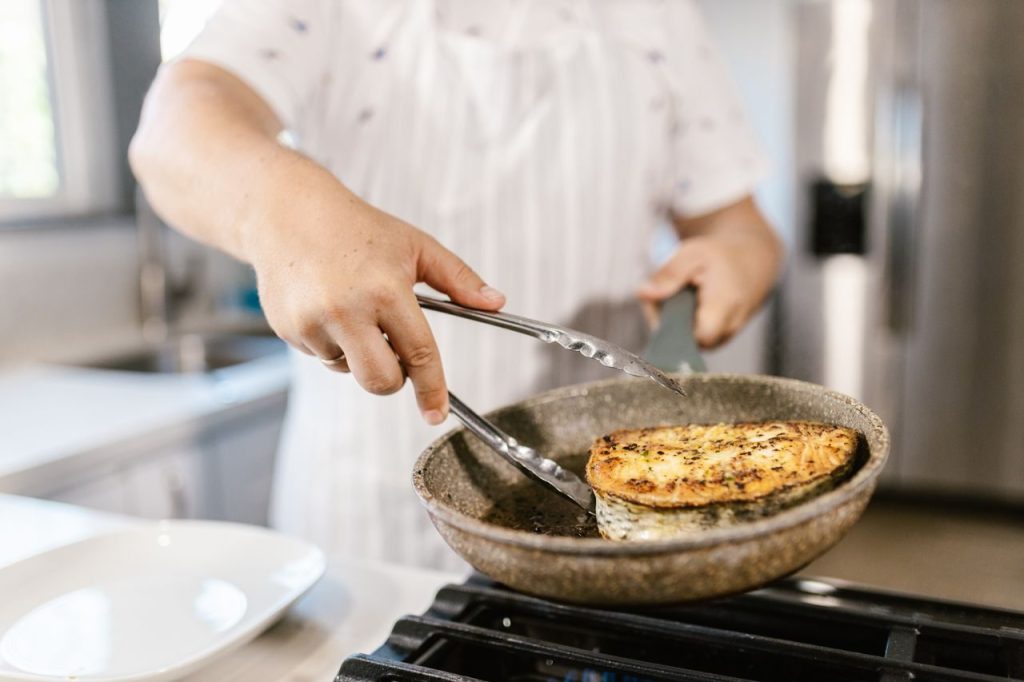
Check the smaller vessel’s compatibility with your cooker and its own care instructions. Do not assume every size in a range fits every cooking zone equally well. Also consider whether a smaller vessel gives comfortable access for stirring or turning with the tools you own. The objective is a good cooking arrangement, not the smallest possible pot or a mathematically neat ratio between recipe servings and cookware dimensions.
Keep the method visible
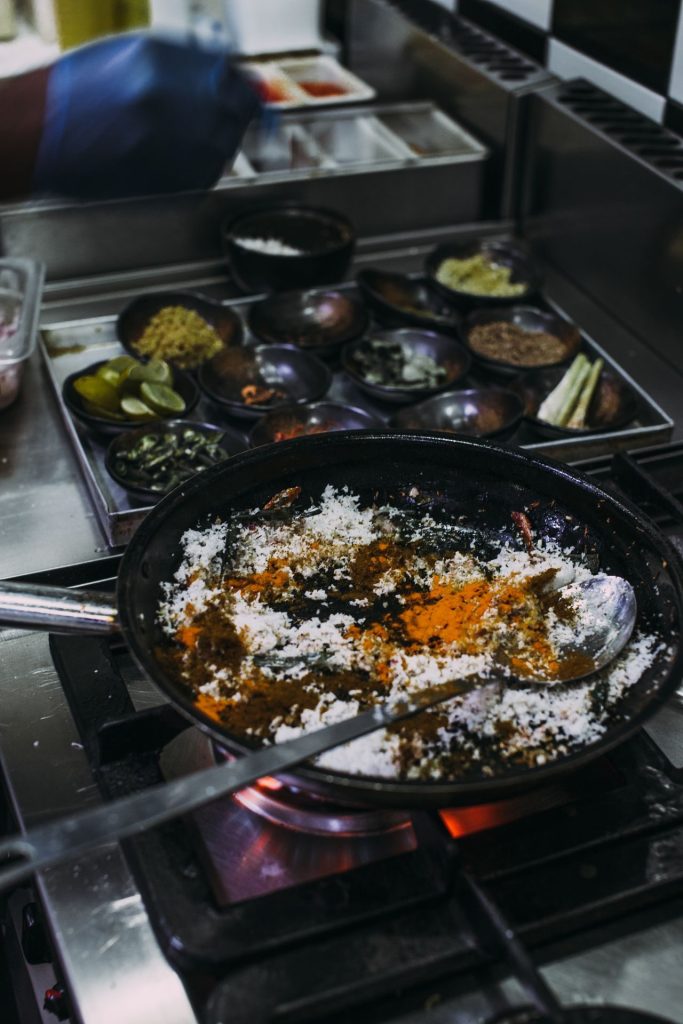
Write the adapted ingredient list beside the original sequence so that you do not alternate between two quantities while cooking. Prepare additions in separate stages where the recipe requires them. This is particularly useful when only some ingredients are reduced or when the original recipe includes an optional finishing element. A clear note prevents an automatic return to the larger quantity at the moment an ingredient is added.
Maintain all relevant hygiene and food-preparation steps. Reducing portions does not remove the need for appropriate separation, clean utensils or safe storage of ingredients not used. If opening a package leaves extra food, plan how it will be stored according to its instructions. The practical benefit of cooking a smaller recipe can be lost if the unused ingredients are left without a clear plan or mistaken for a later ready-to-eat component.
Do not halve the clock blindly
Cooking time is not a simple fraction of the number of servings. The size of individual pieces, vessel arrangement, appliance and recipe method still matter. Follow appropriate checks for readiness and food safety rather than assuming a reduced batch finishes at exactly half the original time. A smaller quantity may change the cooking situation, but it does not provide a universal formula that makes observation unnecessary.
Use a clean suitable food thermometer where the relevant guidance recommends one, and understand the required check for the food involved. Refer to the Food Standards Agency’s cooking guidance rather than judging only by the appearance of the top surface. Keep the distinction clear between adapting a recipe for a smaller household and establishing that its ingredients have been cooked appropriately throughout.
Record the successful version
After the meal, write down the adapted quantities, vessel and any specific adjustment that made the method manageable. Record the quantity, vessel and recipe checks that helped you judge readiness, rather than relying on the clock alone. If the result remains difficult to repeat, select a recipe designed for two or seek a tested adaptation from its author. There is no need to persist with a complicated conversion when a clearer recipe would meet the same everyday need.
Keep the version together with a storage plan for unused ingredients and any leftovers. This turns a single successful meal into a practical household reference rather than a vague memory that the smaller batch was probably fine. Cooking for two can use modest equipment and fewer ingredients while retaining a complete method. The savings come from thoughtful quantities and organisation, not from automatically shortening every cooking stage or skipping checks because less food is in the pan.