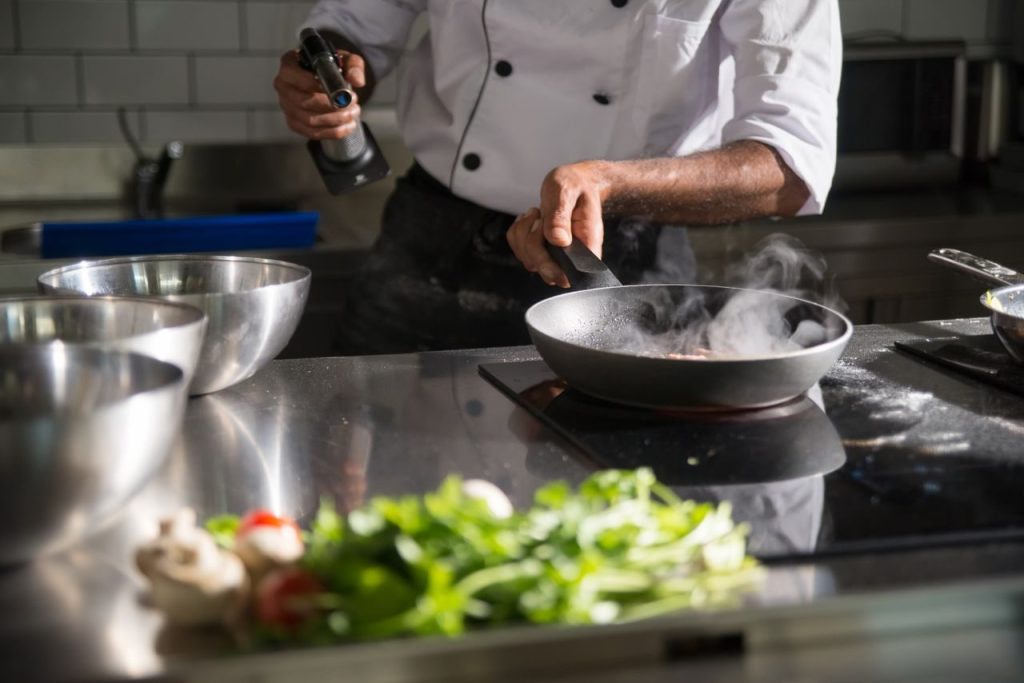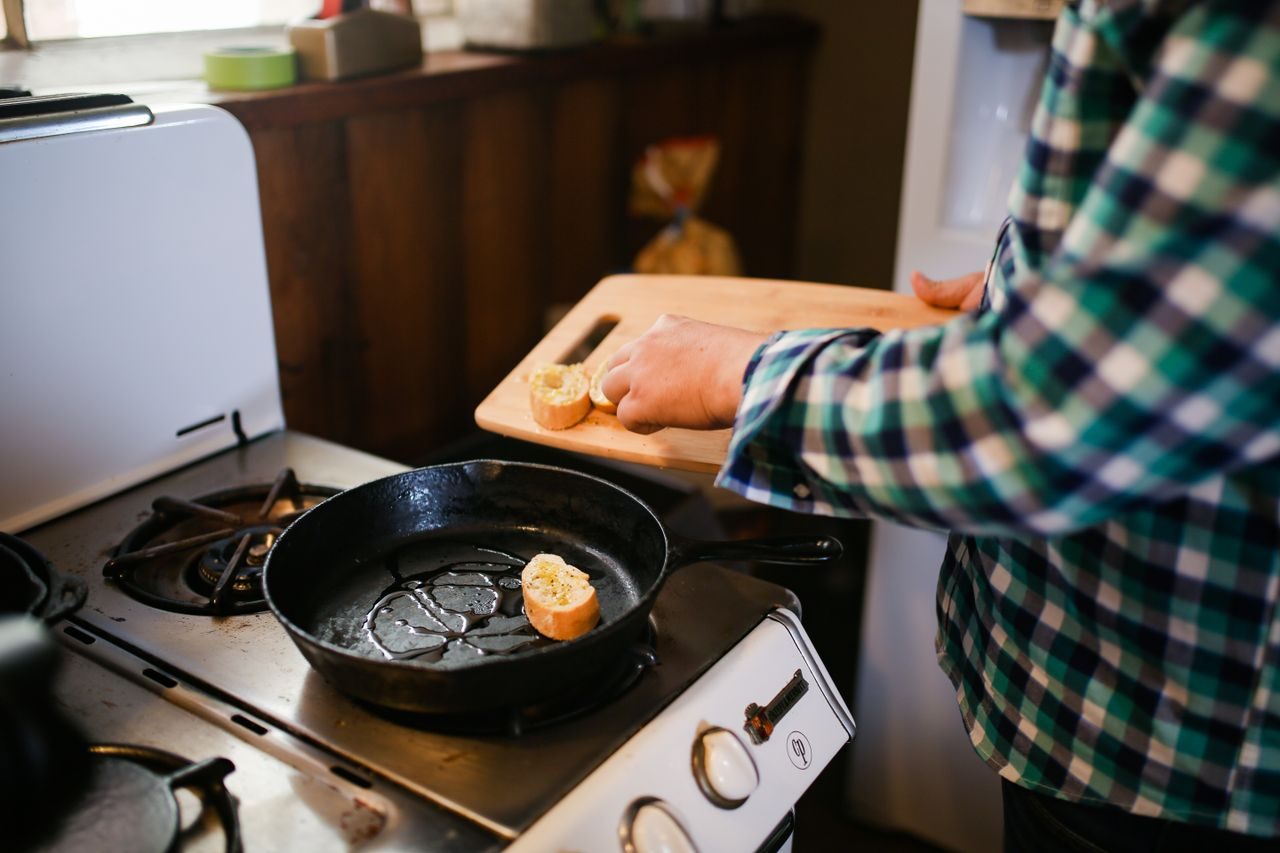
Many households rely on the same set of pans for most meals. Planning around those pans includes allowing time for the care steps that keep each material serviceable over months and years. Manufacturer instructions for stainless steel, cast iron, non-stick coatings and enamelled surfaces specify cooling periods, cleaning methods and storage positions. Incorporating those steps into the weekly schedule reduces the chance of surface damage that would otherwise limit future use.
Effective planning begins with an audit of existing cookware and the time each piece requires after cooking. This approach matches meal choices to the practical limits of the pans rather than the other way around. It also prevents situations where several pans need attention at once while food is still hot.
Identifying the care requirements attached to each pan
Begin by listing the pans in regular rotation and noting the manufacturer guidance for each. Stainless steel pans often tolerate higher temperatures but require prompt removal of acidic residues to avoid discolouration. Cast iron pieces need thorough drying and a light application of oil after washing to maintain the seasoning layer. Non-stick surfaces call for gentle utensils and avoidance of high-heat preheating when empty, as overheating can degrade the coating over repeated uses. Enamelled items need protection from sudden temperature changes to prevent chipping. Separate the list into groups that share similar care sequences so that pans needing longer drying times can be assigned to meals finished earlier in the evening, while items that go straight into a cupboard can follow later dishes. This grouping reveals patterns in daily use and highlights which pieces are used most often, allowing the plan to prioritise their maintenance without extra effort.
Common errors at this stage include overlooking the difference between dishwasher-safe labels and manufacturer preferences for hand washing, or assuming all stainless pans can be treated identically regardless of base construction. Checking the symbols on the base or the printed instructions supplied with each pan provides the clearest boundaries. Conditions that affect these requirements include the type of hob, the frequency of acidic cooking and the storage space available. When pans share similar needs they can be cleaned and stored together, reducing the total time spent on care each week.
Choosing recipes that finish at staggered times
Select a combination of dishes whose cooking and resting periods create natural gaps for pan handling. A slow-simmered sauce in a stainless saucepan can remain on low heat while a quicker vegetable side in a frying pan is plated and the pan is set aside to cool. Recipes that produce moderate amounts of food leave space in the pan for residual heat to dissipate evenly. Overfilled pans retain heat longer and increase the risk of thermal shock when rinsed under cold water too soon. The principle here is to match the number of active cooking vessels to the number that can be managed in sequence without leaving food waiting on the hob.
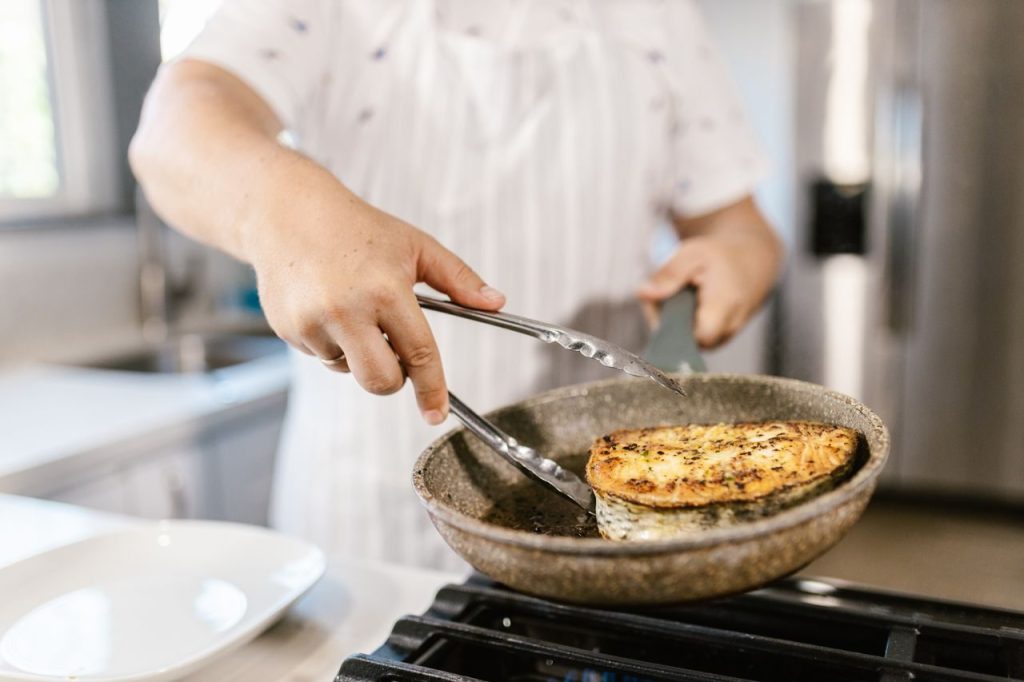
Applicable conditions include the number of burners available and the typical duration of evening meals. A common mistake is starting multiple high-heat items simultaneously without accounting for the time needed to cool and clean each one before the next step. When recipes are chosen with finishing times spread across twenty to thirty minutes, each pan can receive attention while still warm enough for easier residue removal yet cool enough to avoid damage. This sequencing also helps when using induction or ceramic hobs, where residual heat can be used deliberately to finish cooking without extra energy.
Allocating cooling space before storage
After cooking, most materials benefit from air drying rather than immediate stacking. Plan counter space or a rack area near the hob for two or three pans at a time. Meals that generate steam, such as pasta with a lid, require extra minutes for condensation to clear before the pan is turned over. Enamelled cast iron should reach room temperature before lids are replaced to prevent trapped moisture that could lead to rust on unprotected areas. Stainless pieces can be dried with a cloth once cool enough to handle safely, while non-stick pans should never be stacked until completely dry to avoid coating abrasion.
Judging when a pan is ready for storage depends on surface temperature and visible moisture. A practical check is to touch the exterior base; if it still feels warm, additional air time is needed. Common errors include placing hot pans directly into cupboards or nesting them while lids trap steam. Storage conditions such as humidity levels and cupboard ventilation influence how long drying takes. Allocating space in advance prevents last-minute rearrangements that can scratch surfaces or dislodge organised stacks.
Sequencing ingredients to limit residue build-up
Order the addition of ingredients so that sugary or starchy foods do not remain in prolonged contact with hot surfaces after the heat is turned off. Vegetables released early in a sauté leave less caramelised film than those added late and left unattended. Acidic ingredients such as tomatoes or vinegar are best added toward the end of cooking in stainless or enamelled pans, then removed promptly once the dish is served. This reduces the window during which pitting or discolouration can begin. The method works best when the recipe is reviewed beforehand to identify which steps can be moved earlier or later without affecting the final result.
Applicable conditions include the pan material and the length of the simmer. A frequent mistake is leaving sauce in a hot pan while attending to other tasks, allowing residues to harden. When ingredients are sequenced deliberately, the amount of scrubbing required decreases and the pan returns to the cupboard faster. This approach also applies when cooking on gas hobs where flame size must match pan base diameter to avoid overheating edges.
Planning storage positions that protect surfaces
Decide in advance which pans will be stored nested and which require separation. Non-stick and cast iron pieces benefit from placement between softer items or on dedicated hooks. Lids stored upright or in separate slots avoid scratches on interior surfaces. Weekly plans that repeat the same two or three pans allow those items to be returned to consistent cupboard positions without rearranging the entire collection each evening. The goal is to create a repeatable layout that matches the frequency of use, with everyday pans at the front and less frequent ones further back.
Conditions that influence this planning include cupboard depth, shelf height and the presence of fragile lids. Errors often occur when heavy pots are stacked on lighter pans or when metal lids rest directly on non-stick interiors. Checking the condition of pan bases before storage helps maintain even heat distribution on ceramic and induction hobs over time. A stable storage routine also reduces the chance of handles loosening from repeated knocks.
Reviewing the plan against actual cooking volume
At the end of the week compare the number of pans used against the meals prepared. If more than three pans remain out overnight on several days, reduce the number of simultaneous dishes or select recipes that share one vessel for sequential steps. Adjust portion sizes or batch frequencies so that the cooling and drying steps fit within the available time rather than extending into the next day’s preparation period. Recording which pans were used and how long each took to cool provides data for refining future plans.
This review works under the condition that meal patterns remain fairly consistent from week to week. A common mistake is to add new recipes without checking their pan requirements against existing care routines. When the plan is adjusted based on actual volume, the existing collection stays functional and the time spent on maintenance stays predictable. Over time this reduces unnecessary purchases and keeps storage space from becoming overcrowded.
Adjusting for seasonal or schedule changes
Longer daylight hours or busier evenings may alter the order of cooking. Move slower-care items to weekend meals when more counter space is free. Keep the same core set of pans but alter the timing of their use rather than introducing additional pieces that would require new care routines. Seasonal changes in ingredient availability can also affect residue levels; for example, more tomato-based dishes in summer require stricter attention to acidic contact times.
Applicable conditions include changes in household size or work patterns. Errors include ignoring these shifts and continuing with the same schedule, which leads to rushed care steps. Consistent application of these adjustments keeps the existing collection functional without repeated replacement or repair, supporting reliable daily use across varying routines.