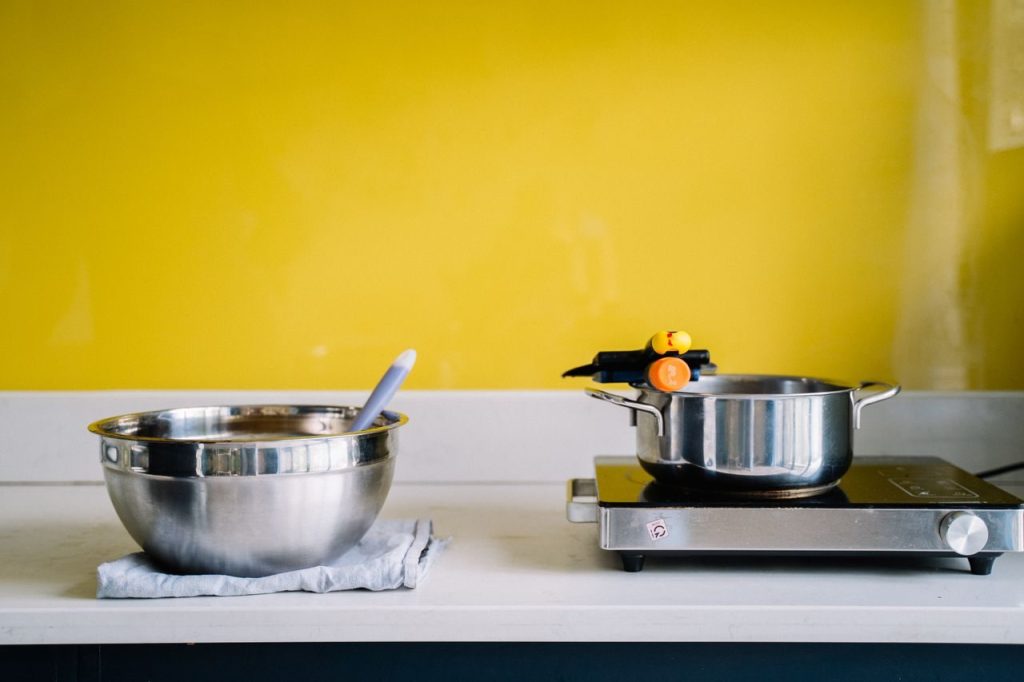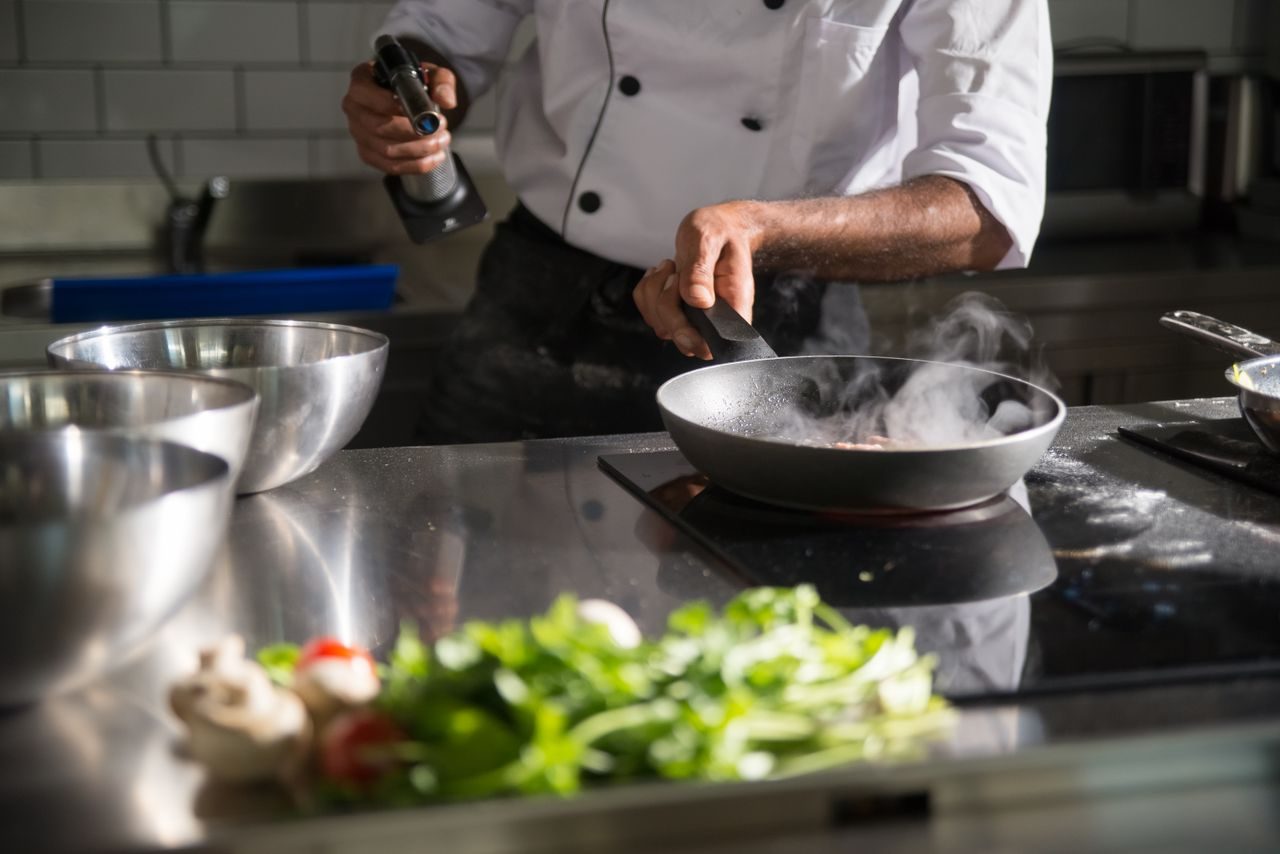
Recipes often list quantities that assume standard pan sizes, yet the pans already in the cupboard may hold more or less than those assumptions. Checking the actual internal diameter and depth of each pan before choosing the week’s dishes prevents overcrowding and ensures even cooking on the hob or in the oven.
Start by recording the usable space rather than the external measurements printed on the base. This single step supplies the numbers needed to scale ingredients, choose cooking order and decide whether a second pan is required on any given day.
Recording internal diameter and depth
Turn each pan upside down on a sheet of paper and trace the inner rim. Measure the resulting circle across its widest point; repeat the measurement at right angles and take the average. For depth, stand a ruler vertically inside the pan and note the distance from the base to the point where the sides begin to curve inward. Note these figures beside the pan’s material type so that later checks for hob compatibility remain straightforward.
Repeat the process for every saucepan, frying pan and casserole that sees regular use. Keep the list on a single card or phone note so it can be consulted while scanning recipe books or websites.
Converting dimensions to approximate volume
A cylindrical approximation gives a usable guide. Multiply the radius squared by π and by the measured depth, then round down by 10–15 percent to allow for the fact that most pans are not perfect cylinders and food should not reach the rim. The resulting figure indicates how many millilitres of liquid or loose ingredients the pan can hold without risk of boil-over.
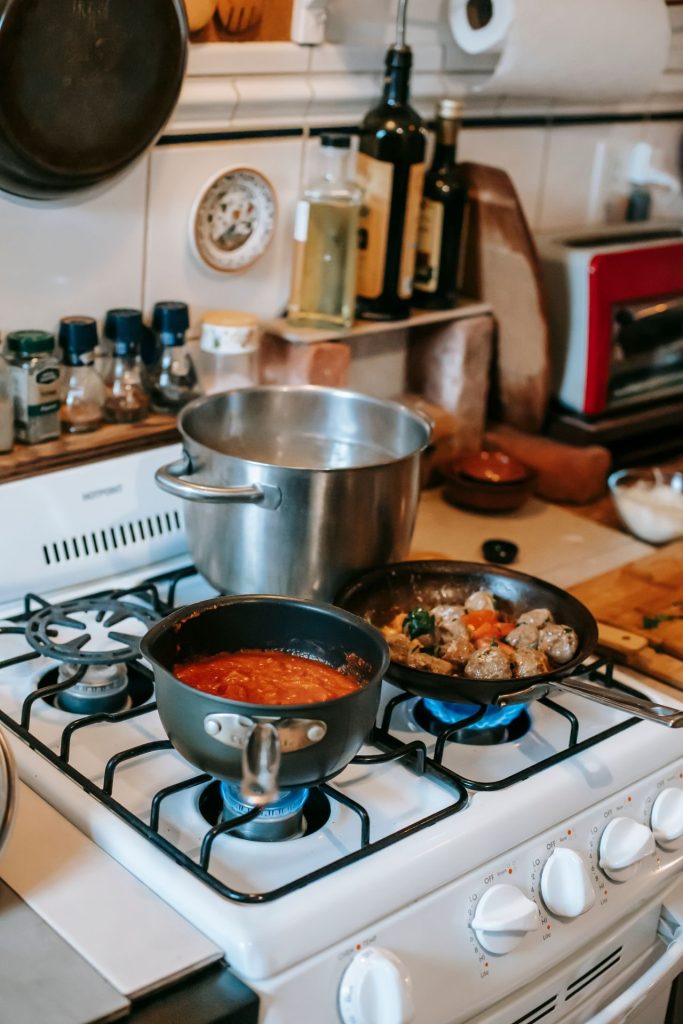
For frying pans, surface area matters more than volume. Calculate the area of the base circle and compare it with the area of the largest burner or zone on the hob. This comparison shows whether a batch of vegetables or meat will fit in a single layer, which is required for proper browning rather than steaming.
Scaling recipe quantities to recorded capacities
Once capacities are known, adjust ingredient weights before shopping. If a recipe calls for 800 g of potatoes and the largest saucepan holds only 1.2 litres of water comfortably, reduce the amount to 600 g and plan to cook the remainder in a second smaller pan or on another day. The same principle applies to sauces: measure the liquid volume of the finished dish against the pan’s recorded capacity and reduce accordingly.
Keep a simple ratio in mind. If the pan holds 75 percent of the recipe’s stated volume, multiply every ingredient by 0.75. This keeps flavour balance intact while respecting the equipment available.
Ordering cooking steps around pan availability
With capacities noted, arrange the week’s meals so that the largest pan is used for the dish that requires the longest cooking time. Smaller pans can then handle side vegetables or sauces that finish quickly. If only one large pan exists, schedule meals that need it on alternate days and use oven roasting or grilling for the intervening evenings.
Where two pans of similar size are present, one can be reserved for proteins and the other for vegetables, reducing the need to wash between courses. The recorded dimensions make it clear which pan is genuinely larger before any food is prepared.
Allowing space for stirring and safe simmering
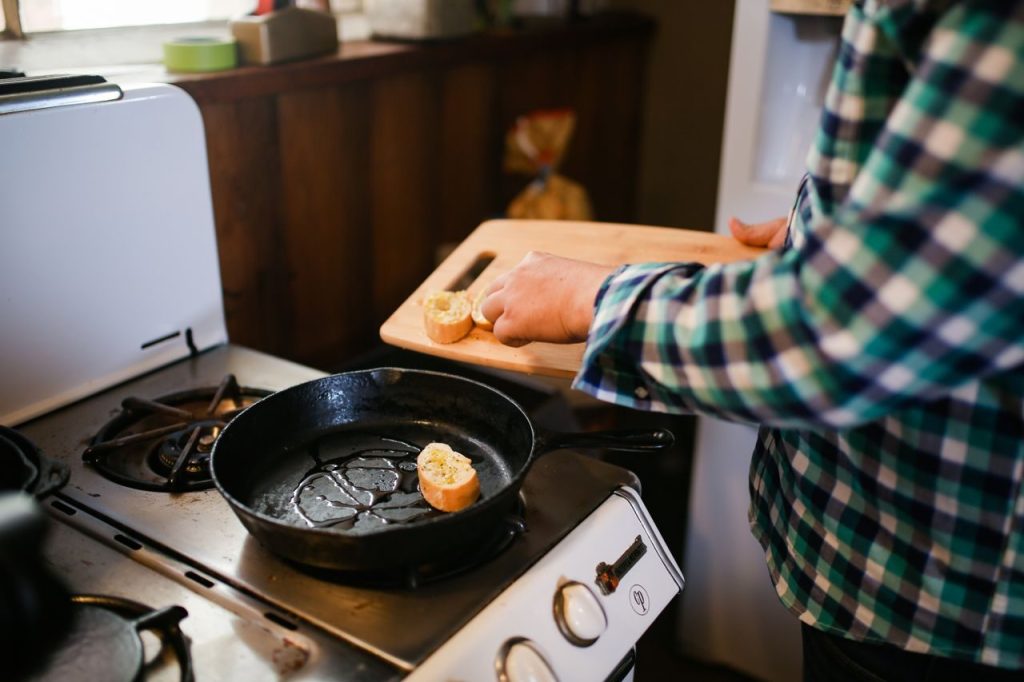
Even when volume calculations suggest a pan is adequate, leave at least 3 cm of headroom above the food level. This gap prevents boil-over on hobs that cycle on and off and allows room for stirring without splashing. For dishes that expand, such as rice or pulses, reduce the calculated quantity by a further 20 percent.
Food-safety guidance from the UK Food Standards Agency recommends bringing liquids to a rolling boil then reducing to a simmer; the extra headroom makes this adjustment visible and safer.
Reviewing the week against available pans
At the start of each week, list the main dishes and cross-check each one against the capacity list. If three meals require the single large casserole, move one to a roasting tray that fits the oven or split the ingredients across two smaller saucepans used in sequence. The check takes only a few minutes yet prevents last-minute changes or reliance on equipment that is not present.
Keep the capacity list updated when pans are replaced or added, so the planning habit remains accurate over time.
Practical limits set by material and hob type
Manufacturer instructions for stainless steel, cast iron and non-stick surfaces specify maximum hob sizes and temperature ranges. These limits affect how much food can be cooked at once without hot spots or warping. When planning, note any restrictions beside the capacity figures so that large quantities are not assigned to a pan whose base is too small for the chosen zone.
Induction and ceramic hobs in particular require flat bases that fully cover the marked zone; the recorded diameter helps confirm compatibility before ingredients are prepared.