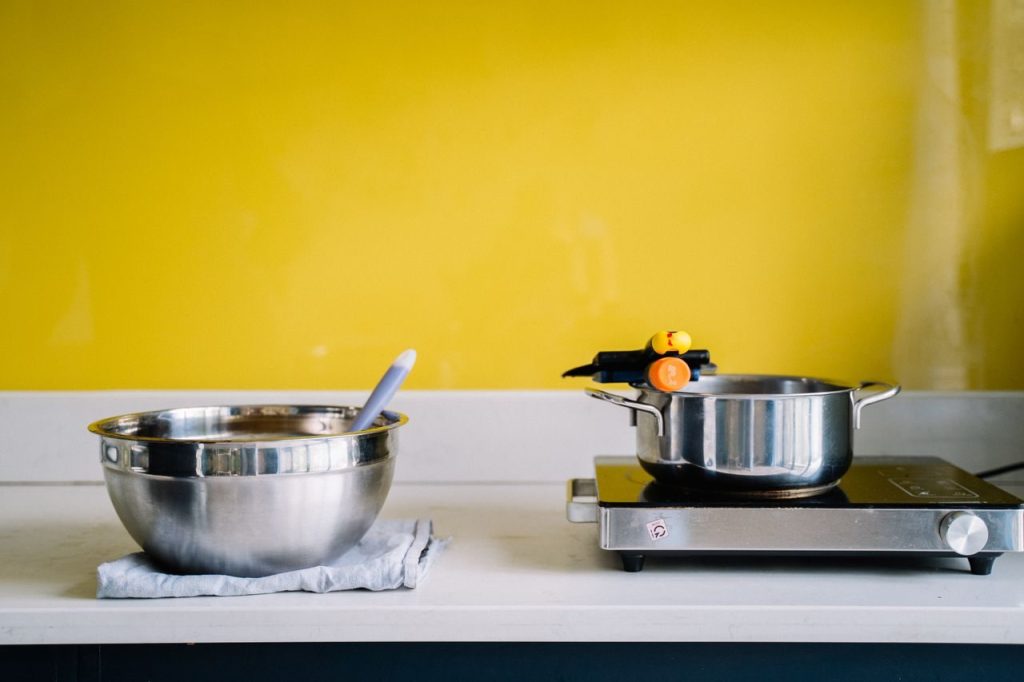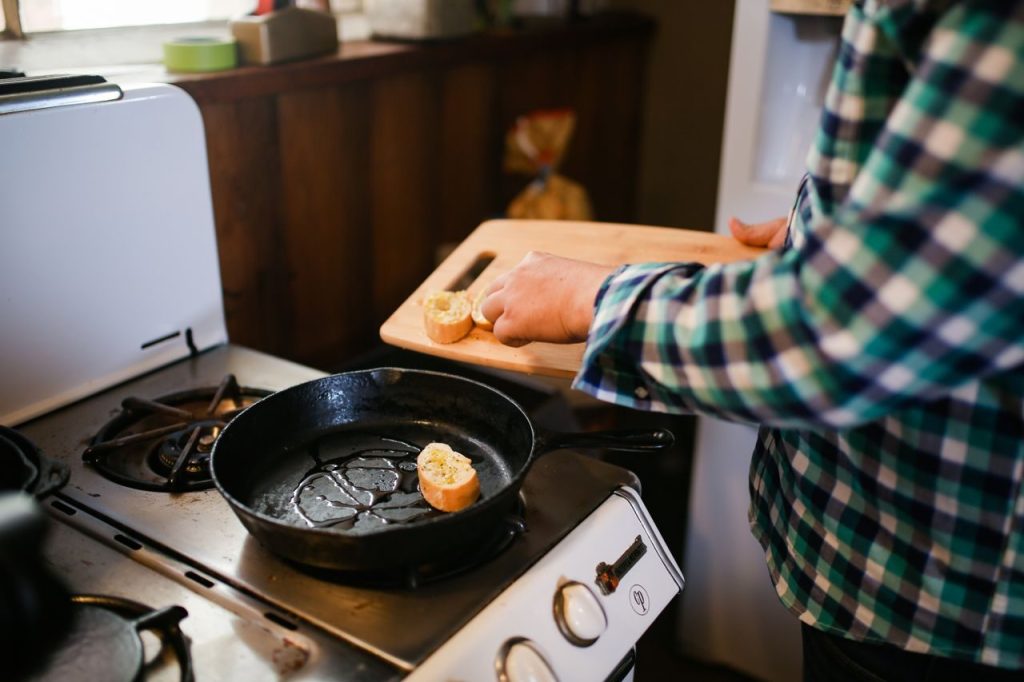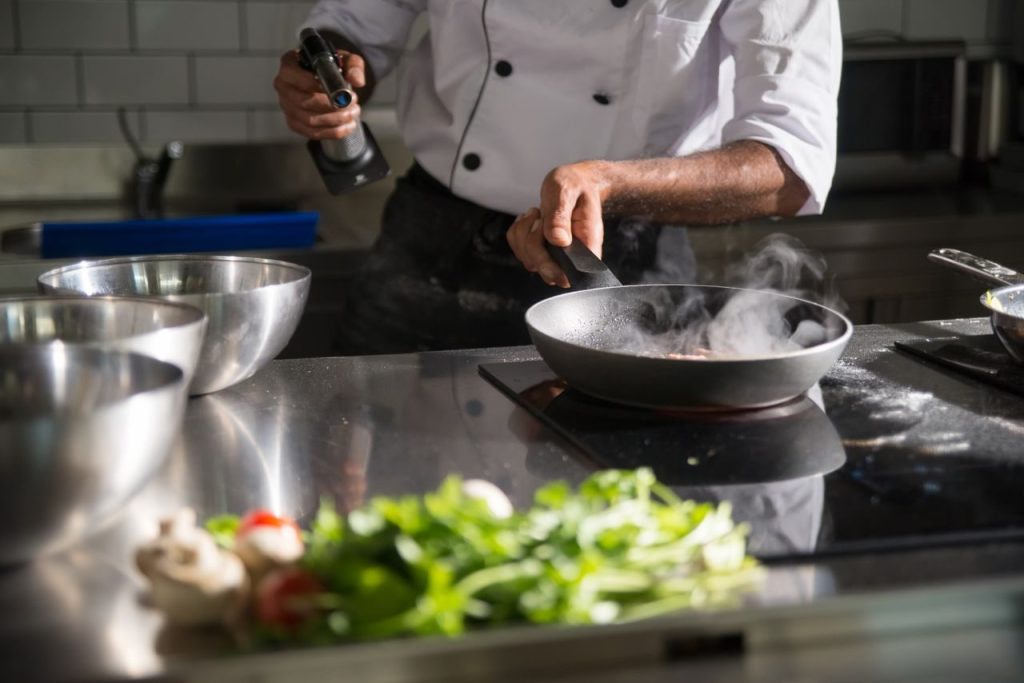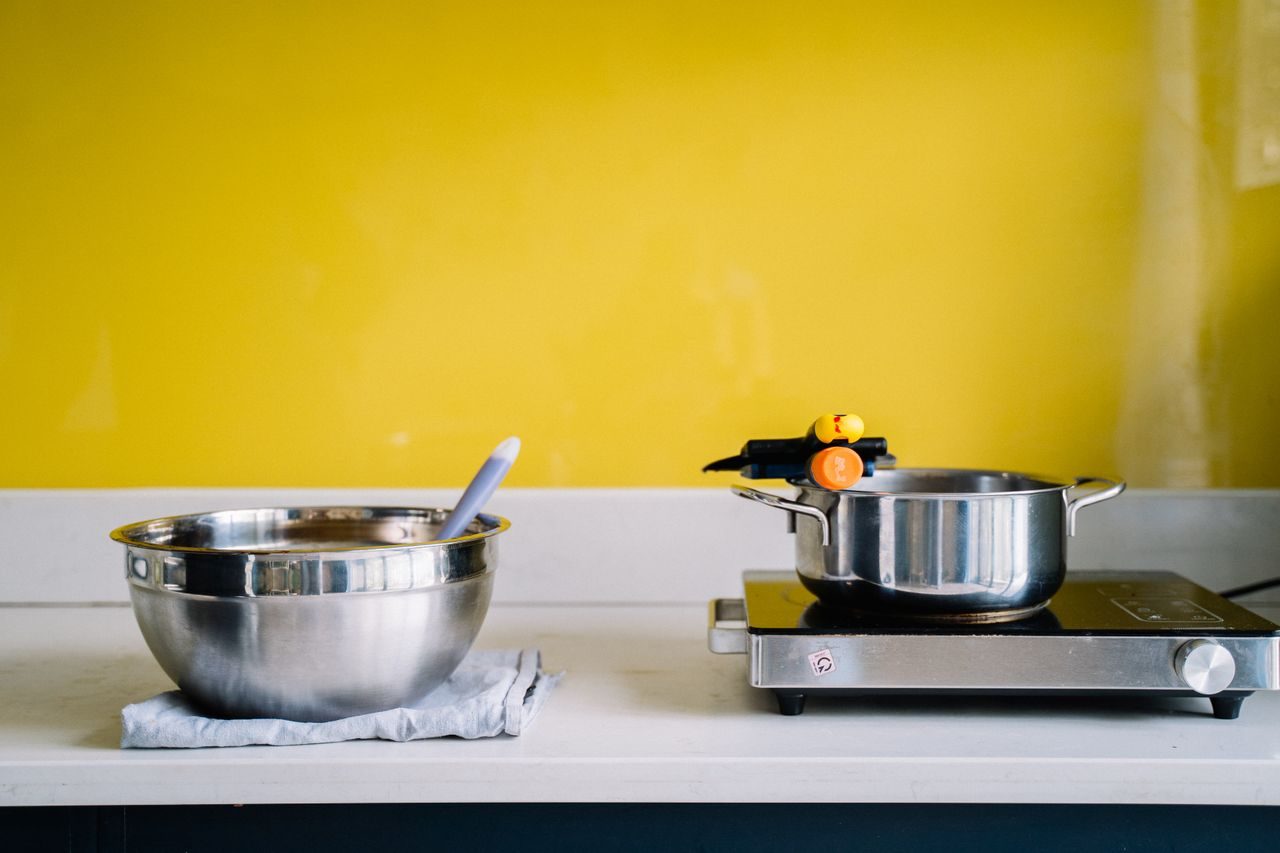
Many households already own a 20 cm frying pan and a 2 litre saucepan that see daily use. Planning meals around these two vessels begins with measuring their actual capacities rather than assuming standard volumes. Fill the saucepan with water to the point where it remains comfortable to lift and pour, then note the level; repeat for the frying pan by adding a measured quantity of oil or water that leaves adequate space for stirring. These measurements become the fixed limits for each recipe portion.
Once capacities are recorded, the next step is to select dishes whose combined volumes fit within those limits when cooked in sequence rather than simultaneously. A typical weeknight plan therefore lists the main protein, one vegetable and a starch, then assigns each item to the pan that can hold it without overcrowding once the previous item has been removed.
Recording exact dimensions before choosing recipes
Measure the internal diameter at the base and at the rim of each pan, together with the usable depth. These figures determine how much raw ingredient can be added before the surface becomes crowded and heat distribution suffers. Note also the material: stainless steel heats quickly but retains less heat than cast iron, while non-stick coatings limit maximum temperatures. Manufacturer instructions for each material supply the safe temperature range and hob compatibility.
Write the measurements on a card kept inside the cupboard door. When a new recipe is considered, compare its stated quantities against these figures before any shopping list is made. If the recipe exceeds the recorded capacity, reduce the portion or divide the item between two cooking steps rather than attempting to force everything into one vessel at once.
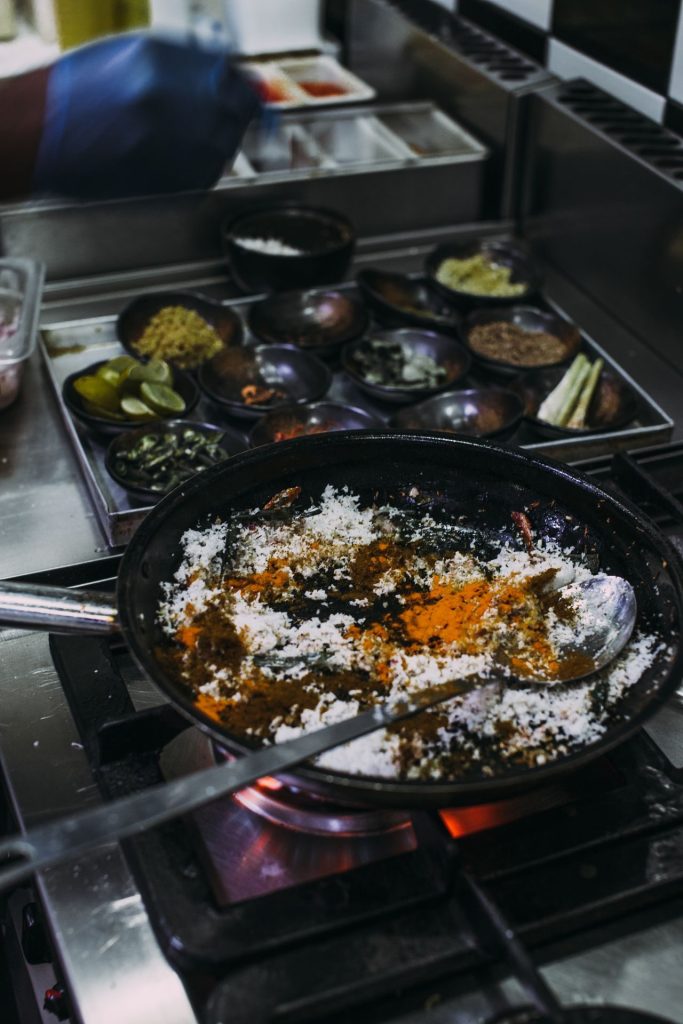
Ordering cooking steps to share the same pan
Begin with the item that benefits from the longest cooking time or the highest initial heat. For example, brown diced chicken in the frying pan, remove it to a warmed plate, then use the same pan for onions and later for greens. The residual heat and any fond left behind contribute flavour without requiring extra fat or a second vessel. Between steps, wipe the pan only if the next ingredient would suffer from strong carry-over flavours; otherwise a quick scrape is sufficient.
The saucepan follows a parallel sequence. Bring water to a simmer for pasta or potatoes, drain, then return the empty pan to the hob for a quick reduction of any reserved cooking liquid. Keeping the sequence logical prevents the need for additional pans while maintaining safe food temperatures throughout.
Adjusting portion sizes to the pan already owned
Recipes written for four servings often assume larger equipment. Scale the quantities to the measured capacity rather than the number of diners. If the saucepan holds 1.8 litres of finished soup comfortably, prepare that amount and store the surplus once it has cooled to room temperature within two hours, following standard food-safety guidance on rapid cooling. The same principle applies to stir-fried vegetables: cook only the volume that maintains contact with the hot surface, then repeat if necessary rather than piling ingredients high.
Track the adjusted quantities on the same card used for pan dimensions. After several weeks the list shows which meals fit reliably and which require an extra step or a different order.
Matching heat settings to material and hob type
Stainless steel on an induction hob requires a medium setting once the pan is hot, whereas cast iron benefits from a lower setting to avoid overheating the surface. Ceramic hobs retain heat longer, so reduce the power earlier when moving from searing to simmering. Appliance manuals specify the precise power levels recommended for each material; these limits prevent warping and maintain even cooking without guesswork.
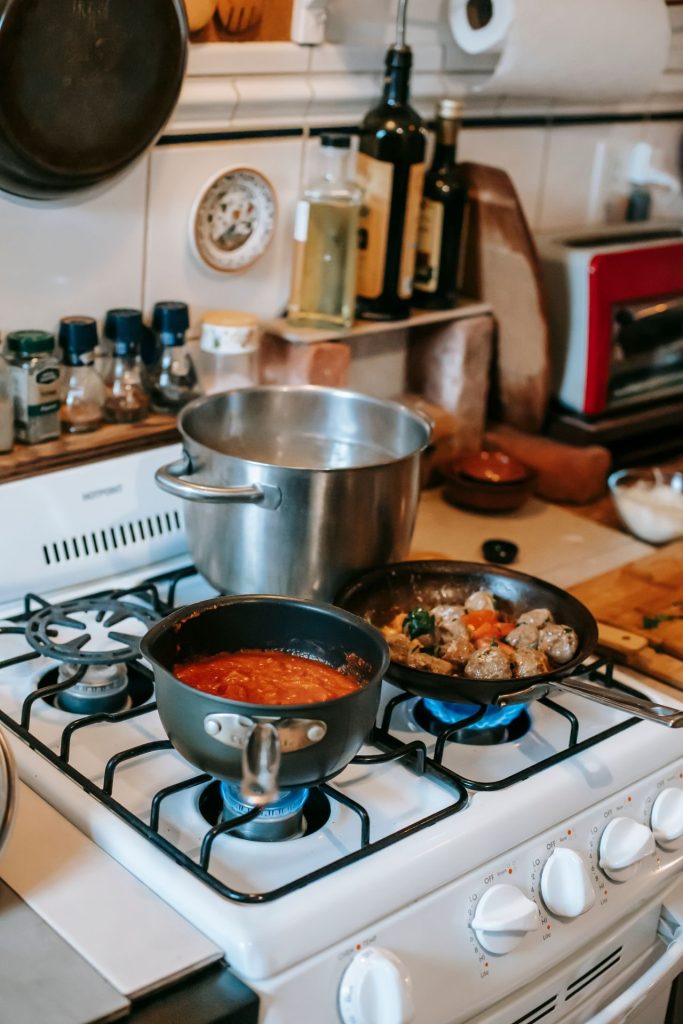
When switching between pans mid-meal, allow thirty seconds for the hob to adjust before adding the next ingredient. This pause avoids sudden temperature spikes that can scorch food or damage non-stick coatings.
Checking lid fit and oven compatibility
Many meals move from hob to oven for finishing. Confirm that the lid handle and any knob are rated for the intended oven temperature before planning such a step. If the lid is not suitable, cover the pan loosely with foil instead. The same check applies to handles that may become hot during oven use; oven gloves must be within reach before the pan is transferred.
Store lids upright or in a separate slot so the correct one is located quickly when the meal plan calls for covered simmering or oven finishing.
Reviewing the plan after the meal
At the end of the week, note which meals required extra washing up or produced uneven results. Adjust the following week’s sequence or portion sizes accordingly. The record of actual capacities and successful orders becomes the practical reference that replaces any need for additional equipment.
Over time the cupboard contents remain sufficient because recipes are chosen and scaled to fit the pans already present, rather than the other way around.