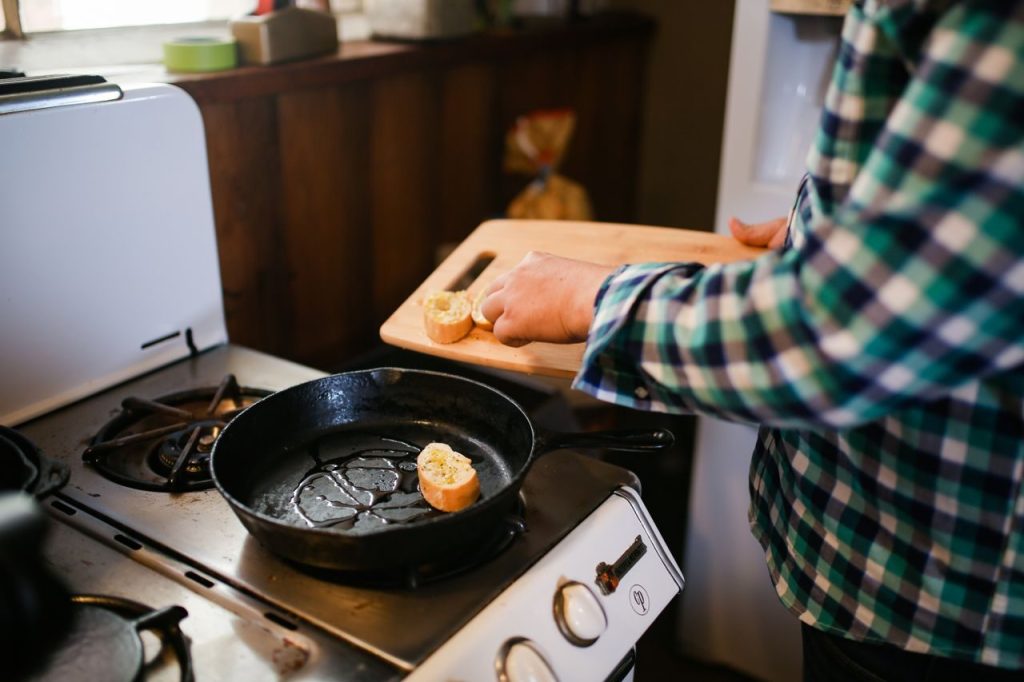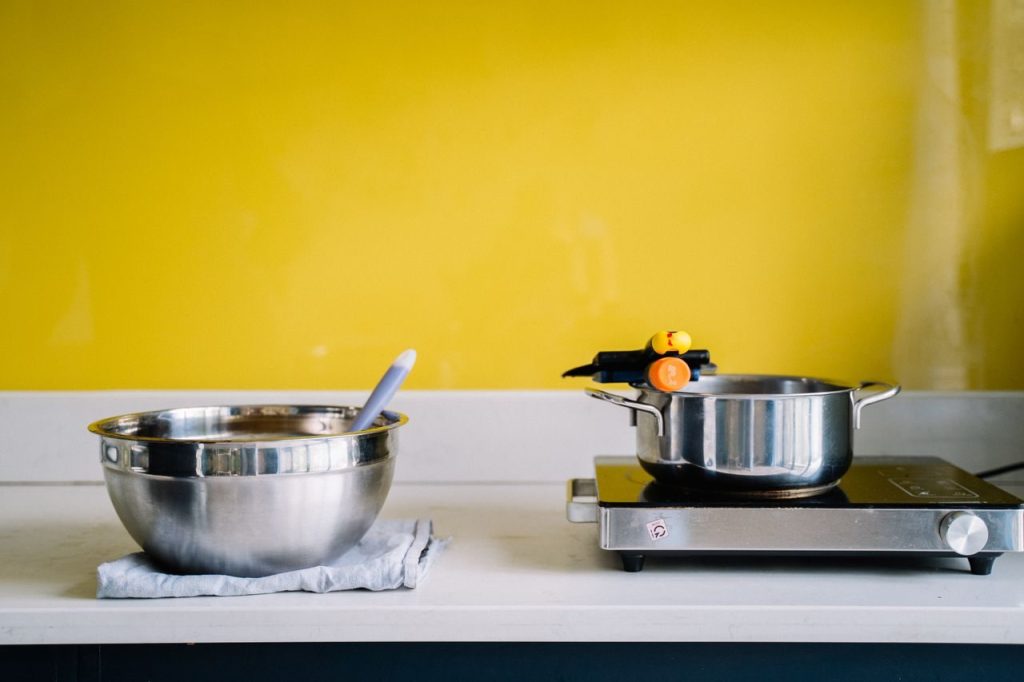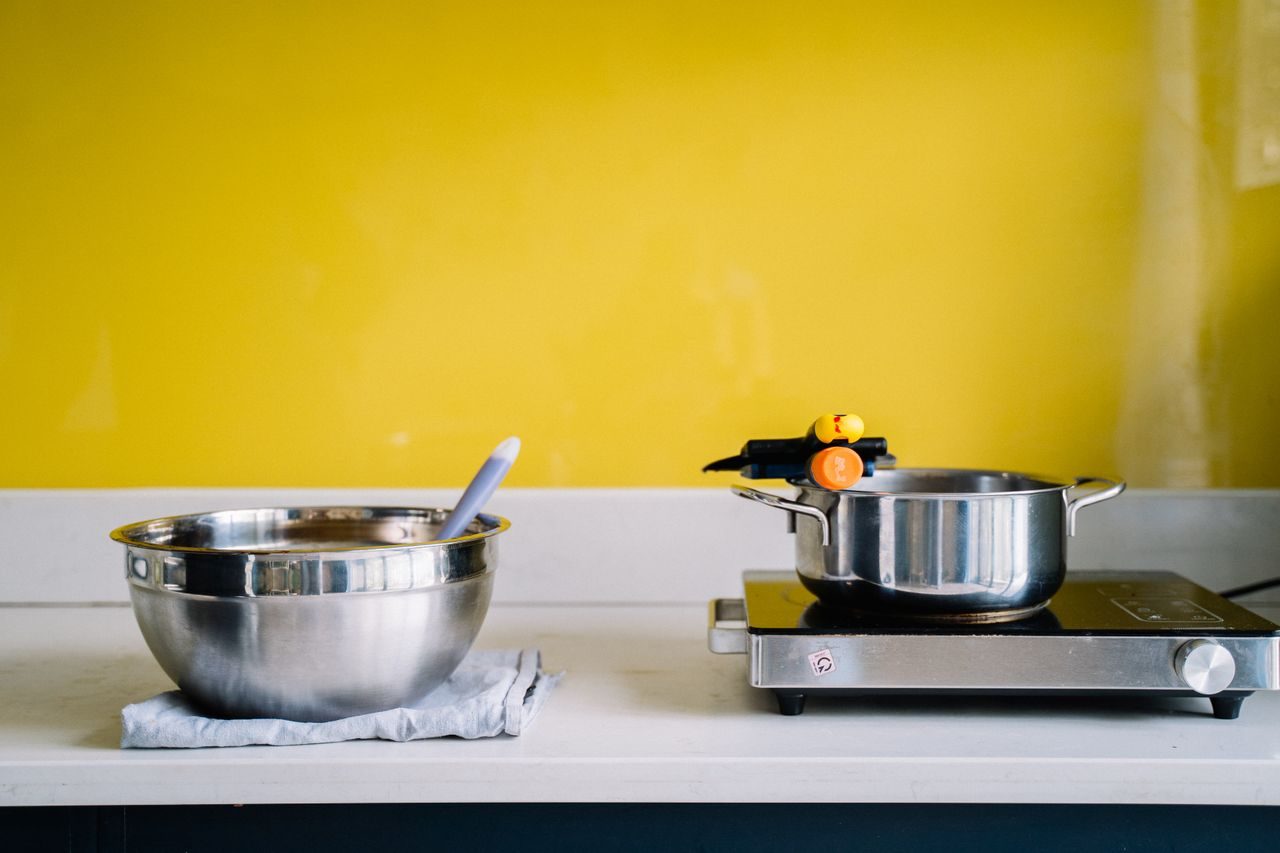
Many cooks begin with a handful of pans of known sizes and need to adjust recipes so that nothing spills over or cooks unevenly. The first step is to measure the usable volume of each pan by filling it with water to the level that leaves a safe margin below the rim. Once those volumes are noted, weekly planning becomes a matter of matching ingredient quantities to those limits rather than buying new equipment.
Recording capacities in advance removes the need to estimate during busy evenings. It also highlights which pans suit particular dishes and which should be reserved for smaller tasks. Over several weeks this information forms a reliable reference that speeds up meal decisions without repeated trial and error.
Measuring usable capacity without guesswork
Fill each saucepan and frying pan with water to the point where the liquid sits two centimetres below the rim. Pour the water into a measuring jug and record the figure. Repeat for every pan that is used regularly. These numbers become the upper limit for any liquid-based dish. Frying pans require an additional measurement of base diameter because surface area determines how much food can brown in one layer without steaming. A 24 cm base typically accommodates 400 g of ingredients comfortably, while a 28 cm base handles roughly 600 g before crowding occurs. Note the material of each pan at the same time, because manufacturer guidance often limits maximum oven temperatures or hob settings for certain surfaces. Write the results on a single card kept near the recipe folder so the information is available whenever a new dish is considered.
Common errors include filling to the absolute rim, which leaves no room for boiling or stirring, and forgetting that lids reduce effective volume when condensation returns to the pan. Shallow frying pans lose capacity quickly once food is added, so measure them both empty and with a typical layer of oil or butter. Re-measure any pan after the handle or lid has been replaced, because a new component can alter the safe fill line. Keep separate notes for pans that can move from hob to oven, recording both liquid capacity and the highest temperature the manufacturer permits. This prevents damage when a recipe requires finishing under a grill or in a moderate oven.
Scaling ingredient lists to recorded volumes
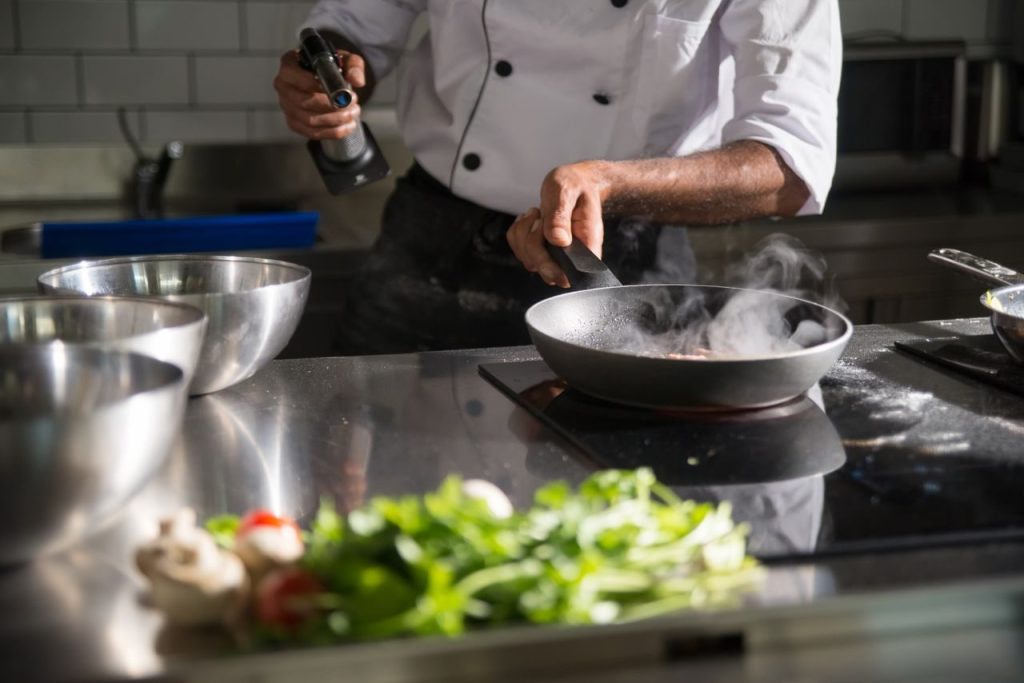
Take a standard recipe and divide the total liquid volume by the measured capacity of the largest suitable pan. If the result exceeds one, reduce the quantities proportionally or split the dish across two pans. Keep the ratios of solids to liquid the same so that cooking times remain predictable. For example, a recipe calling for 800 ml of stock and 400 g of rice can be halved when the largest saucepan holds only 900 ml total. Write the adjusted quantities on a separate card or note. This prevents overfilling during busy evenings and keeps heat distribution even across the base. When scaling, also adjust seasoning gradually rather than halving or doubling in one step, because flavour concentration changes with volume.
Boundary conditions appear when a recipe contains thickeners or high-protein ingredients that swell during cooking. In these cases reduce the scaled volume by an extra 10 percent to allow for expansion. Common mistakes include ignoring evaporation rates on different hobs; gas hobs lose more liquid than induction, so slightly less reduction may be needed on the latter. Always check the final consistency rather than relying solely on the original timing. If the scaled recipe still exceeds capacity after adjustment, move part of the liquid to a second smaller pan and recombine at the end. This maintains the intended flavour while respecting the physical limits of the equipment already owned.
Ordering cooking steps around pan availability
Begin with the item that requires the longest covered simmer. Place it in the largest saucepan. While it cooks, prepare the next component in a frying pan that can later hold the first item if space allows. This sequence avoids washing pans between courses. Check the hob zones before starting. A smaller pan on a larger zone wastes energy and can cause uneven heating at the edges. When two pans must share one hob, position the pan needing steady low heat on the smallest zone so the larger zone remains free for higher temperatures later.
Common errors include starting everything at once and then discovering insufficient space, or transferring hot food into a cold pan, which drops temperature and extends cooking time. Plan the order so that each pan finishes its primary task before being asked to hold a second item. For meals using both hob and oven, confirm that any lid or handle is rated for the oven temperature before moving the pan. Manufacturer instructions usually state maximum temperatures clearly on the base or in the accompanying leaflet. Following those limits prevents warping or coating damage that would otherwise shorten the useful life of the pan.
Storing leftovers without extra containers
When a pan holds more than one meal, cool the contents to room temperature within two hours, then transfer to airtight containers. Label with the date. Food-safety guidance recommends keeping leftovers no longer than two days in the refrigerator or up to three months in the freezer. Reheat only the portion needed, returning the remainder to the refrigerator promptly. This practice matches the capacity of the original pan to the number of servings planned. Allow space in the refrigerator for the containers so that cold air can circulate around them, which speeds cooling and reduces the risk of bacterial growth.
Errors occur when hot food is placed directly into the refrigerator, raising the internal temperature for other items, or when containers are overfilled so that lids do not seal properly. If the original pan is needed again the same day, divide the cooled food immediately rather than leaving it in the cooking vessel. Stainless steel and cast iron retain heat longer than aluminium, so allow extra cooling time before packing. Always follow the storage times given by authoritative food-safety sources rather than relying on memory. This approach keeps the meal plan aligned with the actual capacities recorded earlier in the week.
Adjusting for different household sizes
For one person, halve a two-portion recipe and use the smaller saucepan. For three people, cook a standard four-portion recipe and store the extra serving. The recorded capacities guide these decisions without requiring new measurements each week. Keep a short list of reliable ratios, such as 150 ml liquid per 100 g dry pasta, so that any recipe can be recalculated quickly. When cooking for two from a four-portion recipe, note whether the reduced volume still covers the base of the chosen pan; if the layer becomes too thin, select a smaller pan to maintain even heat.
Common mistakes include assuming every recipe scales linearly when thick sauces or delicate proteins behave differently at smaller volumes. Test the adjusted quantity once, then record the result for future reference. Households that regularly entertain may keep one larger pan reserved for those occasions while using the everyday set for routine meals. The capacity list helps decide whether an extra guest can be accommodated without purchasing additional equipment. Over time the list of workable recipes grows and the need to improvise decreases.
Reviewing the plan at the end of the week
At the weekend, compare the meals cooked against the original pan measurements. Note any dishes that came close to the rim or required extra batches. Adjust the following week’s quantities accordingly. Over time the list of workable recipes grows and the need to improvise decreases. Manufacturer instructions for each pan material remain the reference for maximum hob temperatures and oven use. Follow those limits whenever a dish moves from hob to oven. A brief weekly review also reveals whether certain pans are underused, allowing storage space to be reorganised around the most frequent sizes.
Errors at this stage include ignoring gradual wear that reduces effective capacity, such as dents or warped bases. Inspect the interior markings or measure again if food consistently sticks or cooks unevenly. Keep the capacity notes updated after any replacement of lids or handles. This ongoing record supports consistent daily use without repeated guesswork and ensures that meal planning stays grounded in the actual dimensions of the cookware already in the cupboard.