Choose a complete recipe
A pan sauce is easier to organise when you start with a recipe that explains the whole sequence, including the food cooked beforehand. Identify which additions are needed and when, rather than assuming any browned residue can become the same sauce. The recipe should also suit the cookware surface and heating conditions. If the intended technique conflicts with the pan’s instructions, use an appropriate vessel or a different method.
Read through the finishing stage before preparing ingredients. A sauce may need stirring, tasting at an appropriate point or combining with another component of the meal. Knowing those steps prevents the final minutes from becoming a search for missing utensils. Set out a suitable spoon, measured liquids and a serving arrangement while the hob is off, then keep the quantities linked to the chosen recipe rather than improvising from an oversized container.
Prepare additions in advance
Measure the liquids into suitable containers and prepare any chopped ingredients as the recipe directs. Keep different additions separate when they enter at different stages. A bowl of mixed ingredients can make a quick method harder if you later need to separate a seasoning or reserve part of a liquid. Clear preparation is particularly helpful when the recipe asks for changes in heat or a carefully controlled addition.
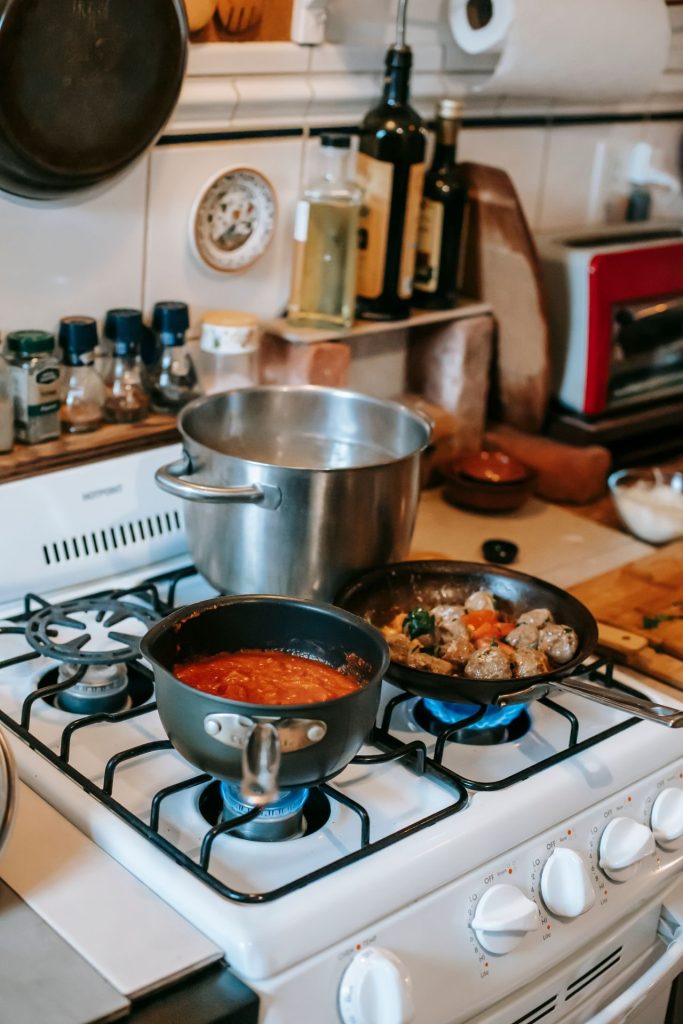
Use the actual recipe quantity as the reference. A casual instruction to add a splash is not a reliable substitute when you are learning the method or working with an unfamiliar pan. Keep the container stable and accessible without placing it where it obstructs the cooker controls. If the recipe involves an ingredient requiring special handling, understand that instruction before starting rather than discovering it while the vessel is hot.
Handle the liquid step carefully
Follow the recipe and cookware instructions for adding liquid, including any specified heat adjustment. A hot vessel needs care, so avoid leaning over it or treating the step as a dramatic performance. This is not a reason to pour arbitrary quantities into an overheated pan. The method should explain the intended amount and sequence, and you should have enough space to carry it out without hurried movement around neighbouring cookware.
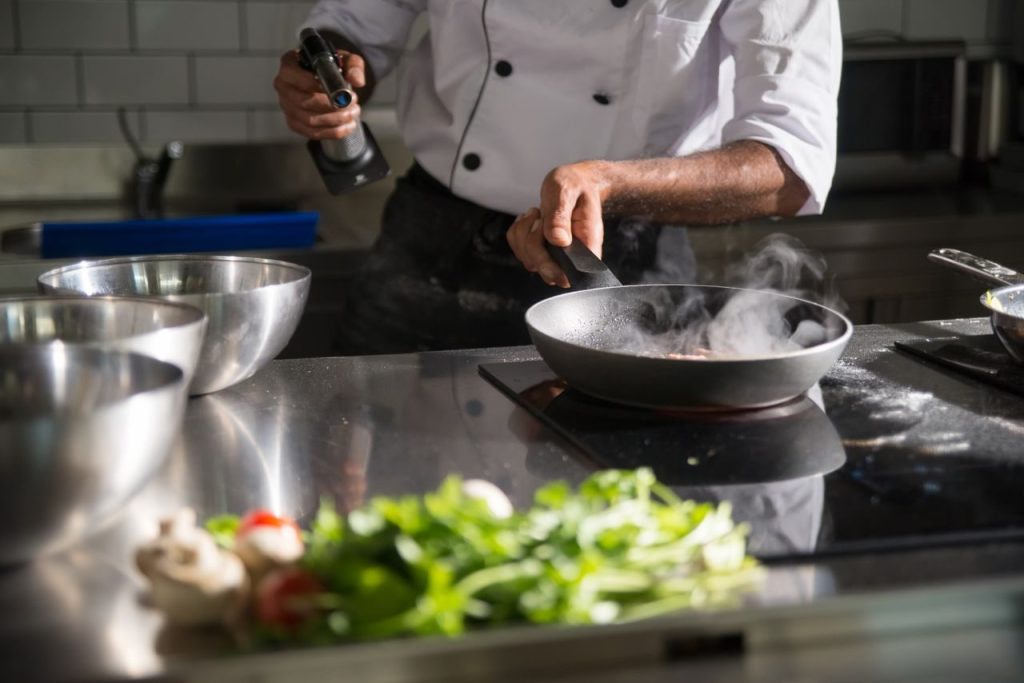
Do not add flames or another theatrical technique that the recipe and equipment do not call for. A useful home sauce does not need an improvised display. Keep suitable protection and a clear work area ready, and choose another recipe if a step is unfamiliar or cannot be performed within the kitchen’s practical limits. The goal is a manageable cooking sequence, not recreating a brief restaurant video without its context.
Watch the recipe’s reduction stage
If the recipe calls for reducing the sauce, pay attention to its described endpoint and the changing quantity in the vessel. The time may be a guide rather than a guarantee across every pan shape and cooker. A wide shallow pan presents a different arrangement from a narrow saucepan. Avoid compensating for uncertainty with repeated increases in heat; observe the method and keep within the cookware’s permitted conditions.
Plan the finishing ingredients and serving dish before that stage begins. A sauce that needs attention near the end is easier to manage when the rest of the meal is ready for the next step. Where tasting is appropriate, use a clean utensil and follow safe food-handling practice. Do not treat colour, thickness or a pleasant smell as proof that any associated meat or other ingredient has met its separate cooking requirements.
Finish the routine cleanly
Serve using the arrangement described by the recipe, with a stable place for the pan and appropriate protection for heated handles. If the sauce is combined with another component, have that vessel or plate ready rather than moving hot cookware while looking for space. Keep the working area clear enough to complete the transfer deliberately. Planning the last movement is as useful as measuring the first addition.
Afterwards, clean the pan according to its surface-care instructions rather than assuming a sauce method leaves every vessel ready for the same treatment. Note which preparation step helped or caused delay so the next attempt is easier. A repeatable pan sauce rests on a complete recipe, prepared ingredients and attentive finishing. Follow the chosen recipe’s sequence and check the cookware instructions when a different surface or vessel changes the practical setup.