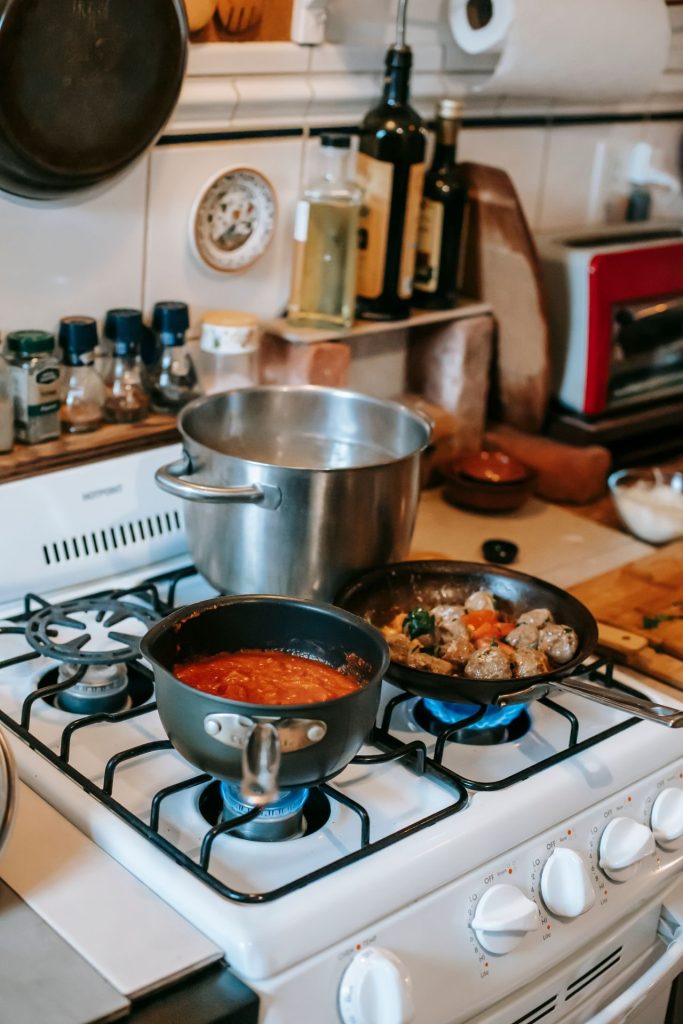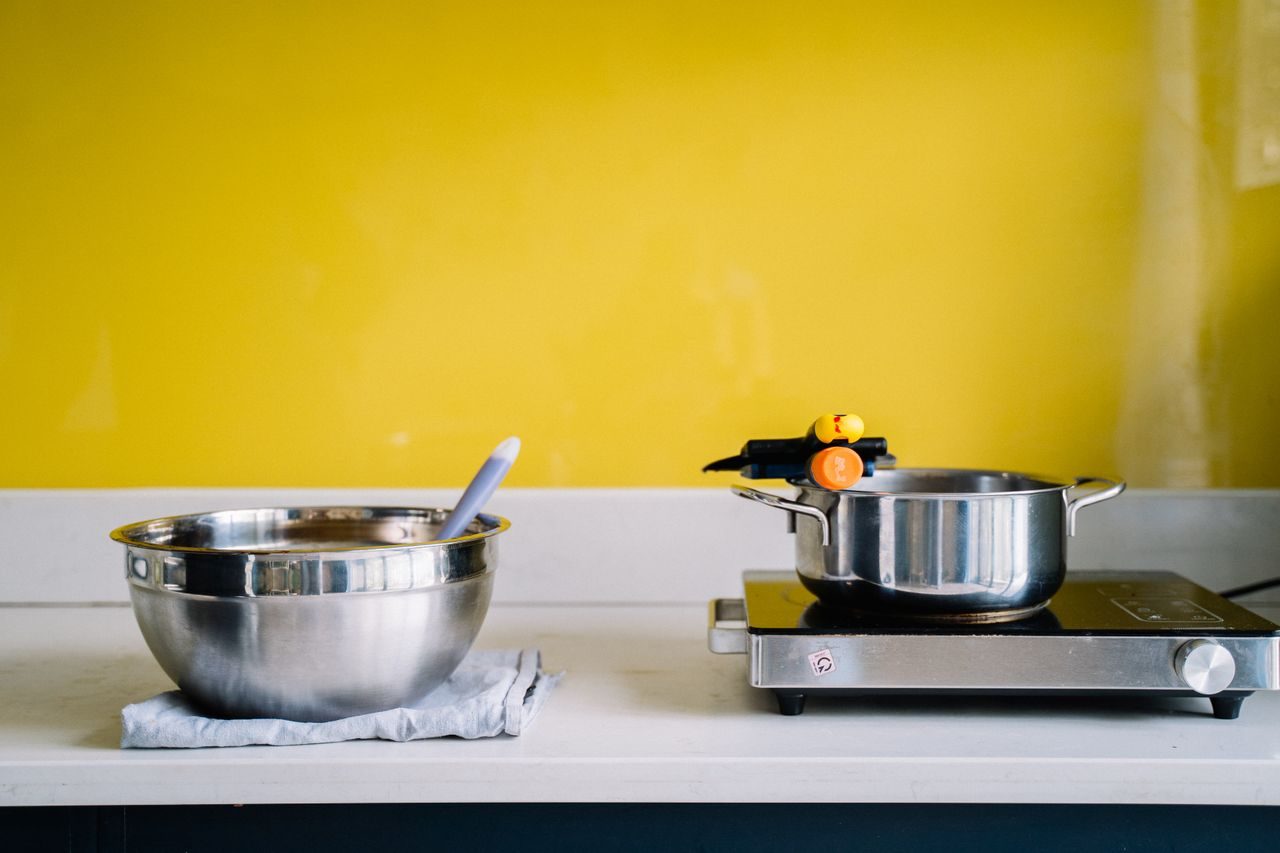
Choose the pasta and sauce together
A manageable pasta dinner begins with two instructions that work together: the pasta packet and a complete sauce recipe. Check the quantities and the intended finishing method before heating anything. Some recipes combine the components in a pan, while others serve them separately. Understand that arrangement first so you can choose suitable vessels rather than discover at the last moment that the planned pan cannot accommodate the final mixture.
Set portions according to the recipe and the people eating, not the maximum capacity of the pot. A larger quantity can affect the practicality of stirring, draining and combining the meal. If your equipment does not suit the intended batch, select a smaller recipe or another preparation. Avoid assuming that a modest kitchen can handle any quantity simply by filling the same vessel further and working more quickly.
Prepare the draining area
Before cooking, decide how the pasta will be drained using suitable stable equipment and a clear route. Check that the sink is ready and that the destination is accessible. A colander buried in a cupboard is an unnecessary problem once the pot contains hot water and food. Plan the movement with loaded handling in mind rather than judging the vessel only when it is empty and cool.
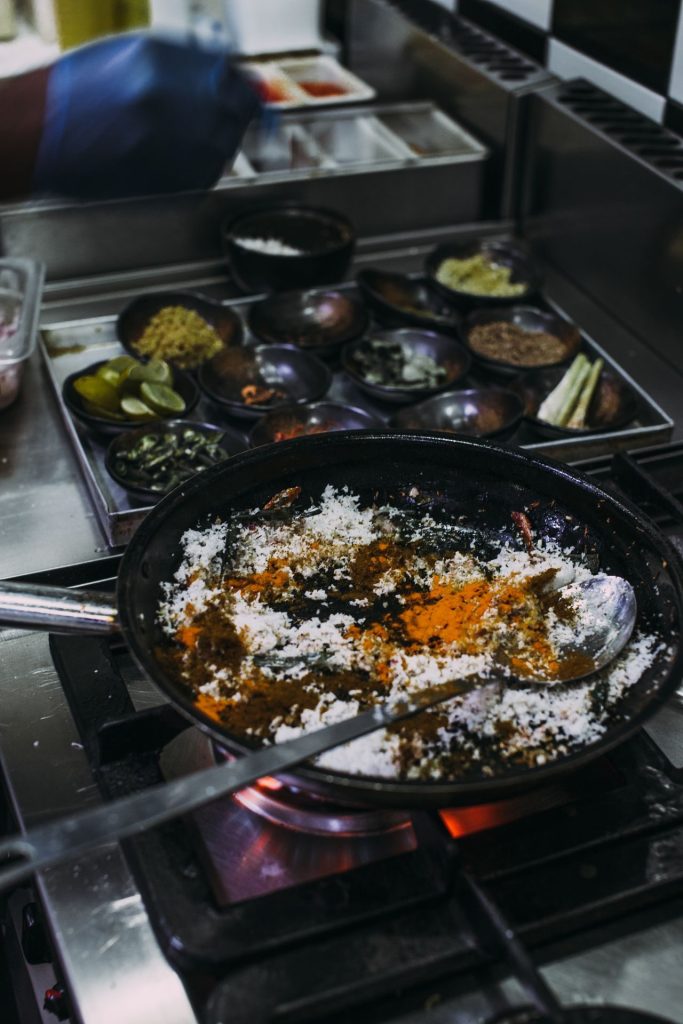
Use appropriate protection for heated handles and keep the area free of unrelated items. If a recipe calls for reserving some cooking liquid, have a suitable container and a manageable method ready before draining begins. Follow the recipe’s quantity rather than trying to capture liquid in a hurried improvised movement. The practical details of that step deserve preparation because several tasks can otherwise compete for attention at the same moment.
Put the sauce in sequence
Read the sauce recipe and identify which preparation can be completed before the pasta cooking stage. Chop ingredients, measure additions and set out compatible utensils while the hob is off. Start the cooking sequence according to the actual recipes rather than assuming both vessels should begin together. A well-chosen sauce can be coordinated without an uncertain long holding period, which is easier than trying to synchronise unrelated methods after they have already started.
Maintain appropriate hygiene if the sauce includes ingredients with separate handling needs. Do not let the desire to use fewer utensils lead to cross-contamination or skipped cleaning. Choose a simpler sauce if the available worktop and attention cannot support the intended preparation comfortably. Equipment efficiency is useful only when it preserves the necessary cooking and food-handling steps rather than treating them as optional obstacles to a quick meal.
Finish with room to combine
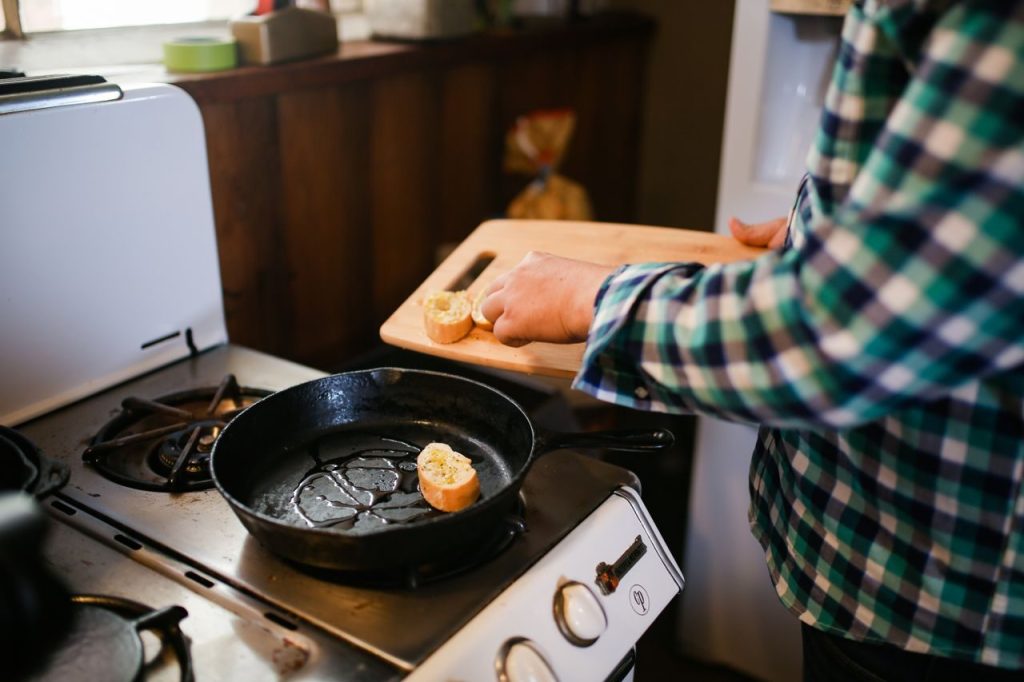
If the recipe combines pasta and sauce in a vessel, confirm in advance that there is room for both and for the required movement. The saucepan’s capacity on paper may not describe comfortable stirring space. Use suitable utensils and follow the method rather than forcing ingredients into a pan that is already difficult to manage. A change in serving arrangement or recipe quantity can be a more practical choice than overcrowding.
Check readiness as directed by the packet and recipe. The cookware shape or a familiar-looking sauce is not a substitute for the appropriate cooking checks, especially when other ingredients have their own safety requirements. Have plates and serving tools ready before the final stage. This keeps the focus on completing the meal deliberately rather than leaving one component waiting while you clear a landing place or locate a suitable dish.
Keep the collection modest
A pasta meal does not automatically require a large specialist set. Begin with suitable equipment that covers the chosen cooking and draining method, then identify any genuine gap through repeated use. A useful addition might solve an uncomfortable pouring arrangement or provide adequate final mixing space. It should have a clear role rather than duplicate a vessel simply because the product is marketed specifically for pasta night.
After the meal, note the sequence that worked and any step that needs a clearer setup next time. If there are leftovers, use the Food Standards Agency’s safe cooking and leftovers guidance rather than leaving them without a storage plan. A repeatable pasta routine combines packet instructions, an appropriate sauce recipe and prepared handling space, making the meal easier through a sequence suited to the actual portions and equipment.