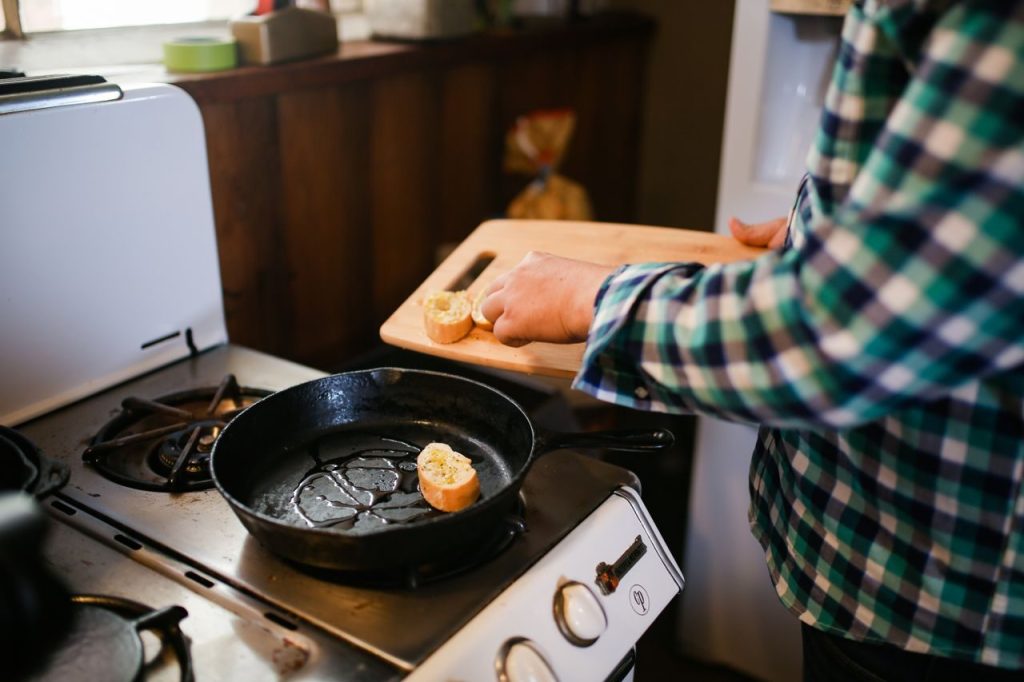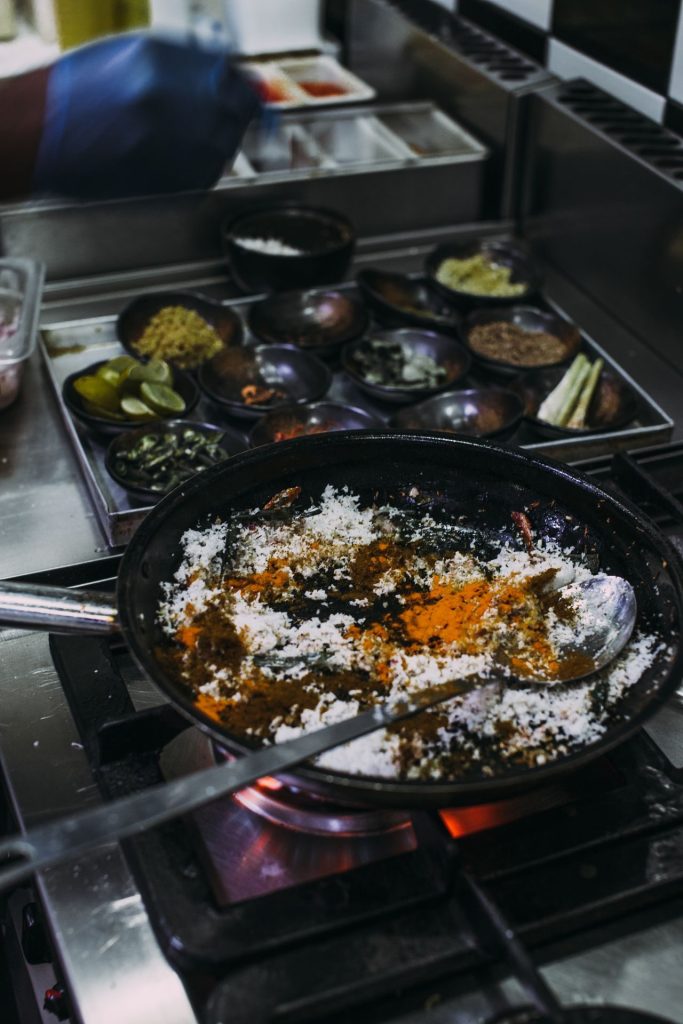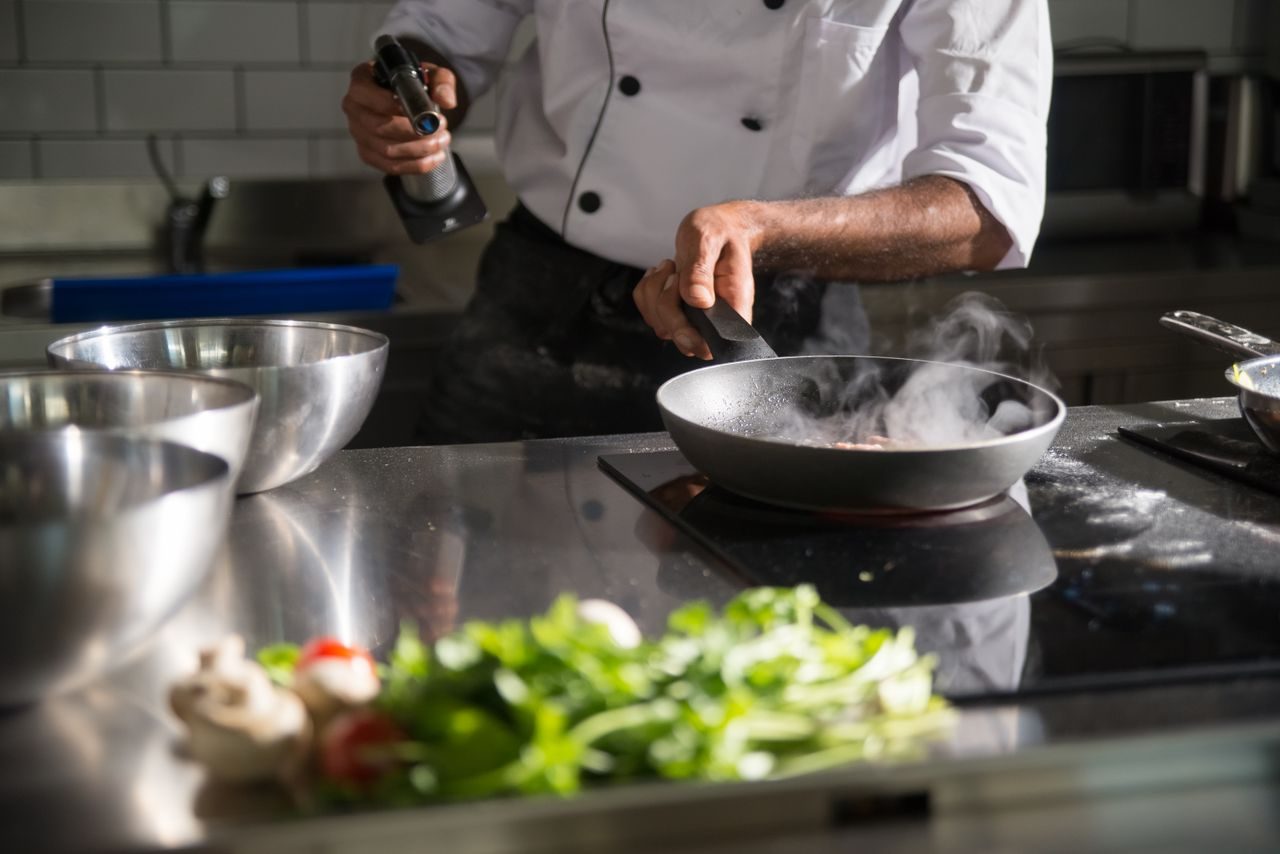
Find a recipe designed for one vessel
A one-pot meal works best when the recipe is designed around one vessel from the beginning. Combining unrelated instructions into a pot does not automatically create a coherent method. Look for a complete sequence that explains ingredient preparation, additions and the intended endpoint. This is particularly important when different ingredients have different cooking or handling requirements, because a tidy equipment count cannot replace the steps needed to prepare them appropriately.
Read the recipe all the way through and note the required pot size, shape and lid. Check whether the method uses the hob alone or includes another appliance stage. Match those instructions with the product guidance for your cookware. A vessel that looks large enough may still be unsuitable for a particular heating method, so establish compatibility before the ingredients are prepared and the cooking schedule begins.
Leave working space
Compare the recipe quantity with usable capacity rather than the pot’s advertised maximum. Ingredients need room for the stirring and additions described by the method. A pot filled close to its rim before the recipe is complete can be awkward to manage later. If the batch does not fit comfortably, choose an appropriate smaller recipe or another suitable vessel rather than compressing everything into the available space.
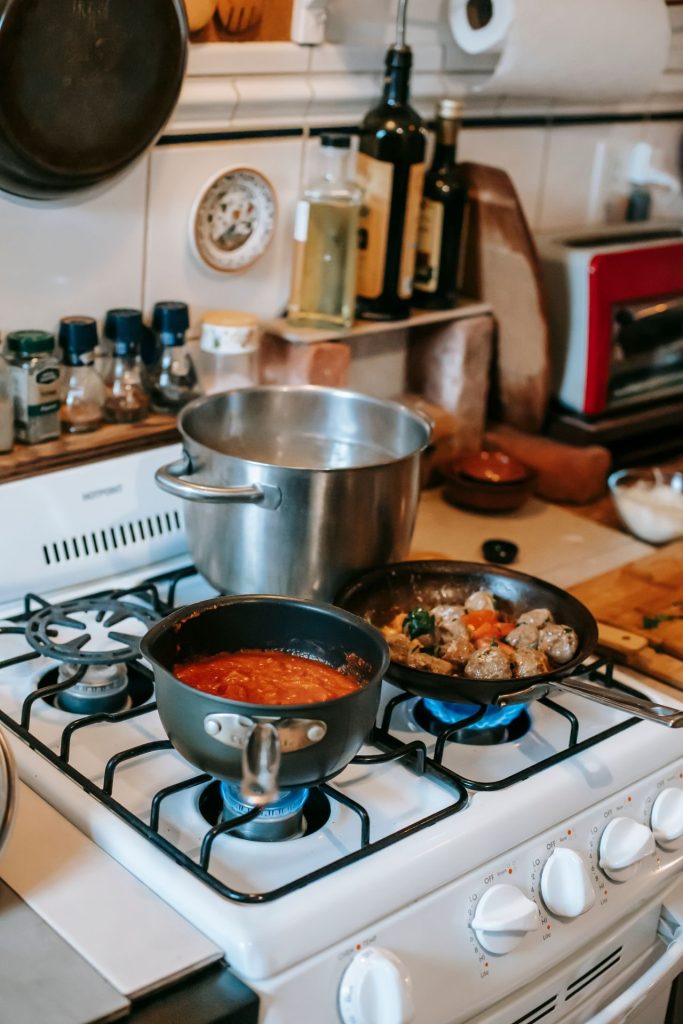
Consider how the food will be served and whether the loaded pot can be handled comfortably. A one-vessel method can still create a heavy item at the end of cooking. Decide whether to portion food in the kitchen and prepare a stable landing area if the vessel needs to move. Avoid choosing capacity solely because it might accommodate an occasional crowd when normal handling and storage would become difficult.
Keep ingredient stages distinct
Prepare ingredients in the order the recipe requires and keep additions separate when they enter at different times. One pot does not mean one bowl containing everything at the start. A clear arrangement can prevent an ingredient intended for the finish from being added too early or a measured liquid from being confused with another addition. This preparation takes pressure off the busiest cooking stages without requiring more elaborate equipment.
Maintain food hygiene throughout, including any separation and cleaning required for the ingredients used. If raw foods and ready-to-eat components share the preparation area, follow appropriate handling guidance rather than prioritising the smallest possible number of utensils. Choosing a simpler recipe is preferable to making a more complicated dish through shortcuts that leave important cleaning or cooking checks unclear. The method should be easy enough to supervise attentively in the available kitchen.
Observe more than the surface
Follow the recipe’s checks and any relevant authoritative food-safety guidance for the complete dish. A bubbling edge or an attractive surface colour does not by itself establish that every component has reached the appropriate condition. Use the checks required for the ingredients and method, with clean suitable equipment. Do not assume that cooking everything in one pot removes the need to understand how readiness is assessed.
Keep the process attended and make heat adjustments within the cookware instructions. If the liquid or ingredient arrangement changes, refer to the recipe rather than trying to correct everything with an arbitrary extra splash or a higher setting. A repeatable meal comes from a clear sequence and appropriate observation. It does not need a promise that one vessel makes every quantity and combination equally straightforward without any adjustment.
Plan what happens afterwards
Before cooking a large batch, prepare suitable containers and a safe storage plan for any portions not served immediately. The original pot is not automatically the right place for all later stages. Consult the Food Standards Agency’s guidance on cooking and leftovers for relevant handling. Avoid leaving a large quantity without attention simply because the meal has been marketed as convenient or because washing another container seems inconvenient.
After a successful attempt, record the vessel, recipe quantity and preparation sequence. Those notes help repeat the arrangement without turning your own experience into a universal performance claim about a pan. A useful one-pot meal saves unnecessary transfers while preserving the steps that matter: suitable capacity, staged additions, attended cooking, proper readiness checks and a safe plan after serving. The equipment count is a benefit of the method, not its only measure of success.