Many cooks accumulate pans gradually and later find the cupboard no longer accommodates the full set comfortably. Before purchasing another piece, it helps to list the meals prepared most often and measure the actual space available for storage.
This approach avoids buying items that duplicate existing functions or exceed the room left on shelves and in drawers. The following sections outline a practical sequence for matching new pieces to both space constraints and routine cooking demands.
Listing the meals cooked most weeks
Begin by writing down the dishes prepared on at least five typical days. Include breakfast items such as eggs or porridge, weekday lunches if prepared at home, and evening meals that range from one-pan stir-fries to sauces simmered alongside vegetables.
Group these meals by the main vessel required: a wide shallow pan for frying, a deeper pan for sauces or stews, or a tall narrow pan for boiling small quantities of pasta or vegetables. This list reveals whether current pans already cover the majority of tasks or whether one specific shape is used repeatedly and shows wear.
Count how often each vessel type appears in the weekly plan. If a single frying pan handles most evening cooking, an additional identical shape may not be necessary; a second pan of different depth might address overflow or allow simultaneous cooking steps instead.
Measuring usable cupboard and drawer space
Remove every pan and lid from the intended storage area and measure the internal dimensions. Note the height between shelves and the depth of drawers, allowing for the space taken by handles and stacked lids.
Record whether pans must be stacked or can stand upright. Stacking often limits access to pieces at the bottom and increases the risk of surface scratches, so measure the footprint required for side-by-side storage where possible.
Allow clearance for ventilation if the cupboard is near the hob, and check that heavier items can be lifted safely from their position without disturbing lighter pieces above them.
Identifying missing capacities for portion sizes
Compare the volumes of existing pans against the quantities cooked regularly. A 20 cm frying pan may suffice for two portions but become crowded when four servings are required.
Check the depth of saucepans against the volume of soups or stews made in one batch. If liquid frequently reaches within 3 cm of the rim during simmering, a taller pan of the same base diameter reduces the chance of boil-over.
Consider whether single-person portions are prepared on different days from family meals. A small milk pan or 16 cm saucepan can sit inside a larger pan when not in use, freeing shelf space while still providing the correct capacity for smaller tasks.
Checking hob compatibility and material care needs
Confirm the hob type before adding any new pan. Induction surfaces require ferrous bases, while ceramic hobs benefit from flat, smooth undersides to maintain contact and avoid scratching.
Review manufacturer guidance for each material already owned. Cast iron needs drying after washing to prevent rust, whereas stainless steel tolerates dishwasher cycles but may show water spots. Adding a pan whose care routine differs markedly from existing pieces increases daily maintenance time.
Ensure any new pan can be stored without touching reactive metals that might cause discoloration during long periods in the cupboard.
Deciding between single additions and multi-use pieces
Where space is limited, a sauté pan with straight sides and a lid can replace both a shallow frying pan and a low-sided casserole for many recipes. The straight walls allow liquid reduction without excessive evaporation compared with a curved frying pan.
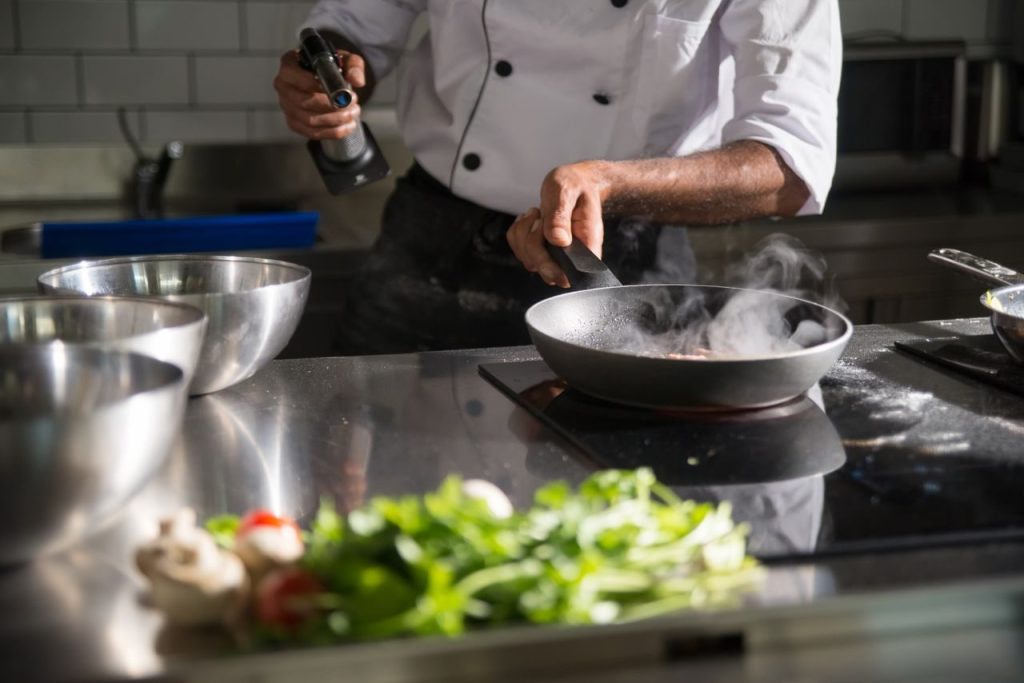
Conversely, a dedicated omelette pan with a non-stick surface may be justified only if eggs appear on the weekly list more than three times; otherwise the existing frying pan, properly seasoned or maintained, can handle the task.
Compare the frequency of oven-to-hob transfers. If recipes often move from hob to oven, select pans whose lids and handles are rated for the required oven temperatures rather than purchasing separate ovenware that occupies additional shelf space.
Testing the proposed addition against current routines
Before buying, place a similarly sized item from the existing collection into the intended storage spot for several days. Note whether access to other pans becomes awkward or whether lids no longer fit neatly.
Simulate the new workflow by preparing one meal that would use the proposed pan, then return everything to storage. Observe how many extra movements or rearrangements occur compared with the current setup.
If the trial shows repeated handling of other items to reach the new pan, reconsider whether the benefit justifies the added friction in daily use.
Reviewing long-term replacement rather than expansion
Examine pans that are used less than once a fortnight. If a specialist piece such as a grill pan or wok sits unused because the hob type does not deliver even heat across its base, removing it frees measurable space for a more versatile replacement.
Check handles, bases and non-stick surfaces for wear that affects performance. A pan whose base no longer sits flat on the hob may be better replaced than supplemented, especially when cupboard room is at a premium.
Document the final set by photographing the stored arrangement. This record helps evaluate whether future purchases maintain the same balance between capacity, access and maintenance effort.