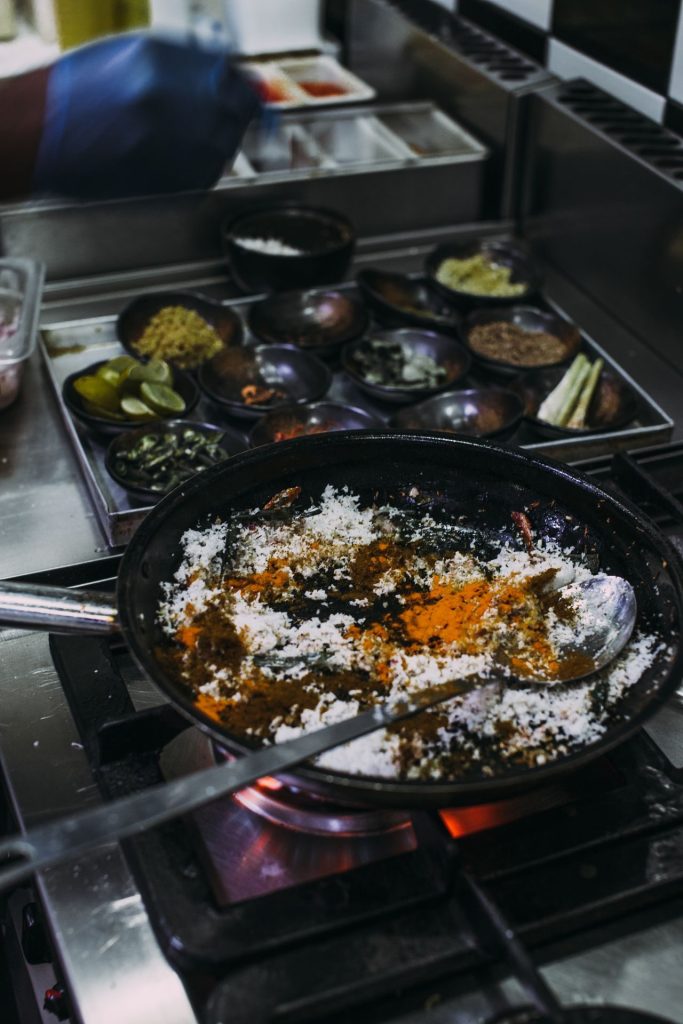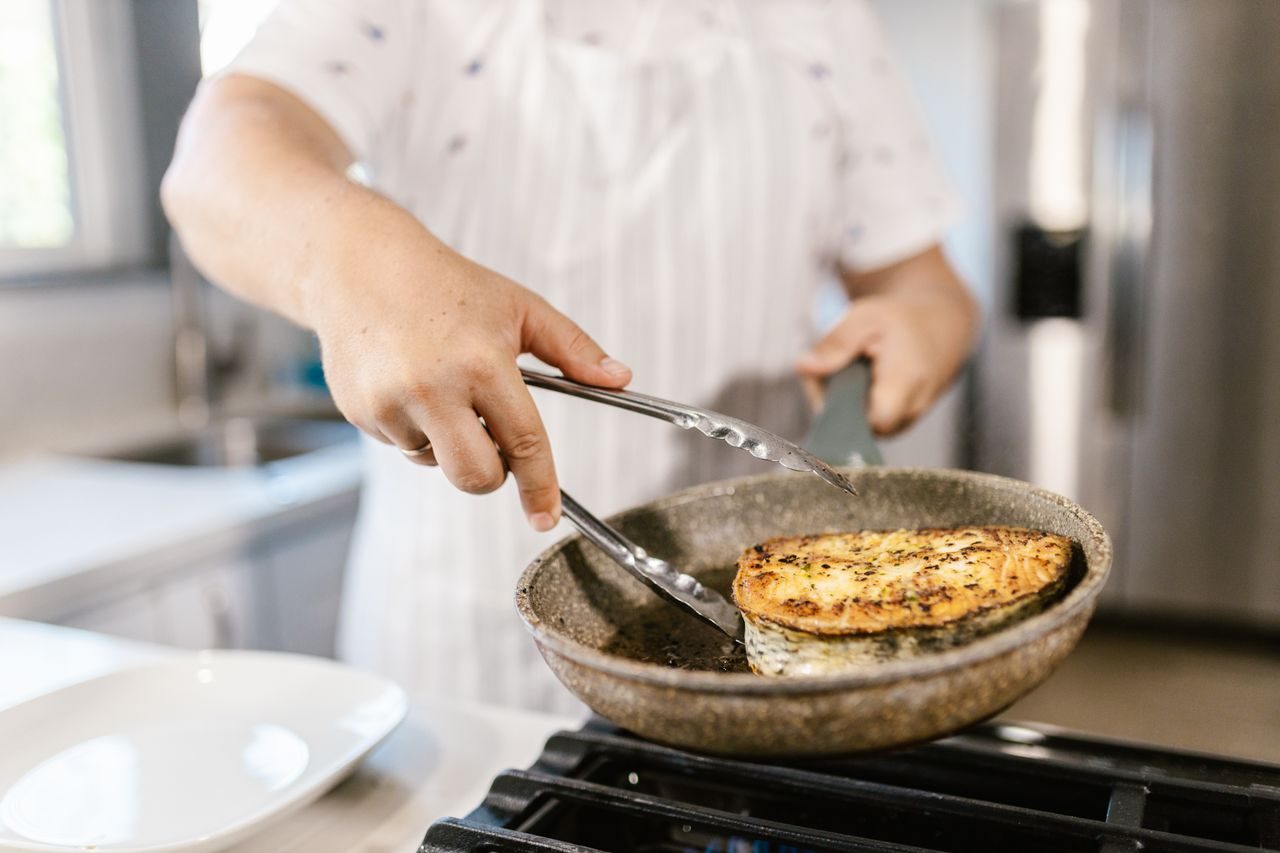
Choose the session’s actual purpose
A calm batch-cooking session starts with a limited set of meals you intend to eat and store, not a goal to fill every pan at once. Choose complete recipes and note the number of portions realistically needed. More food creates more handling and storage work as well as more cooking. The useful quantity is one you can prepare, cook and manage afterwards within a clear safe plan.
Check the space available in the fridge or freezer before buying ingredients. Prepare suitable containers and labels and decide which portions are intended for which later meal. This stage is part of the cooking plan, not a task to improvise after a large pot is finished. Avoid relying on the original cookware as an undefined storage solution simply because it already contains everything and moving food feels inconvenient.
Map the cookware demand
Read the recipes together and list the vessels needed at each stage. A large pot may occupy more of the hob than expected, while a broad tray may limit oven space. Confirm compatibility and measure loaded handling as well as capacity. If the arrangement requires awkward reaching or moving heavy hot cookware repeatedly, simplify the menu rather than trying to make every planned recipe happen in the same session.
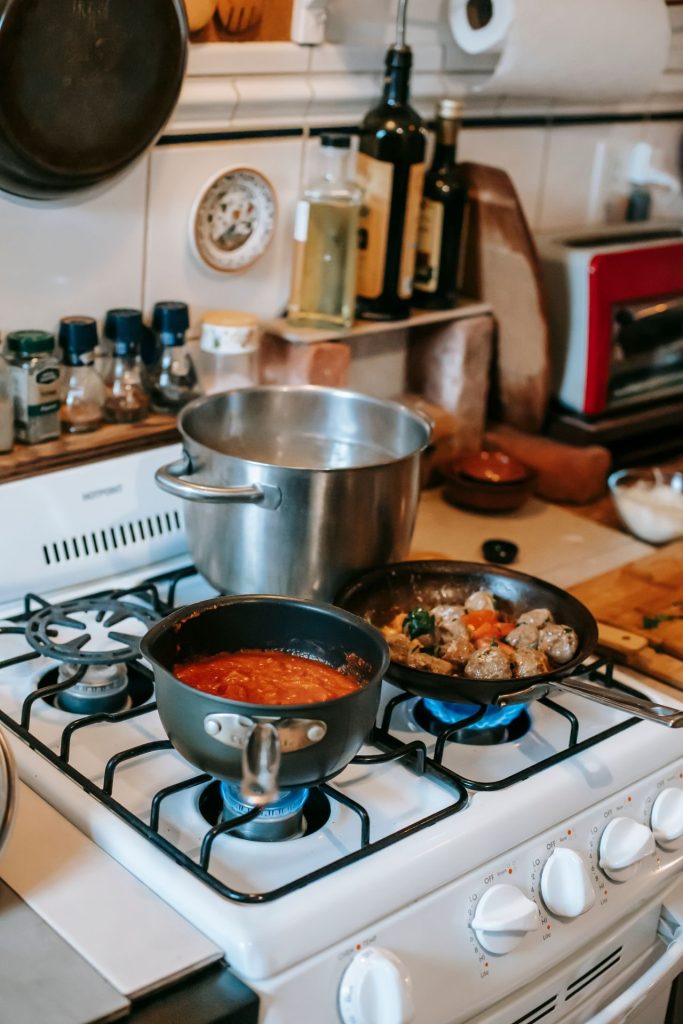
Separate preparation tasks from active cooking tasks. Some measuring or chopping can be organised before heating begins, while other steps require attention at a precise point in a recipe. Keep staged additions separate and have compatible utensils ready. Maintain the hygiene required for the ingredients, including cleaning and separation where needed. An efficient session is not one that uses the fewest clean tools at the expense of appropriate food handling.
Leave attention available
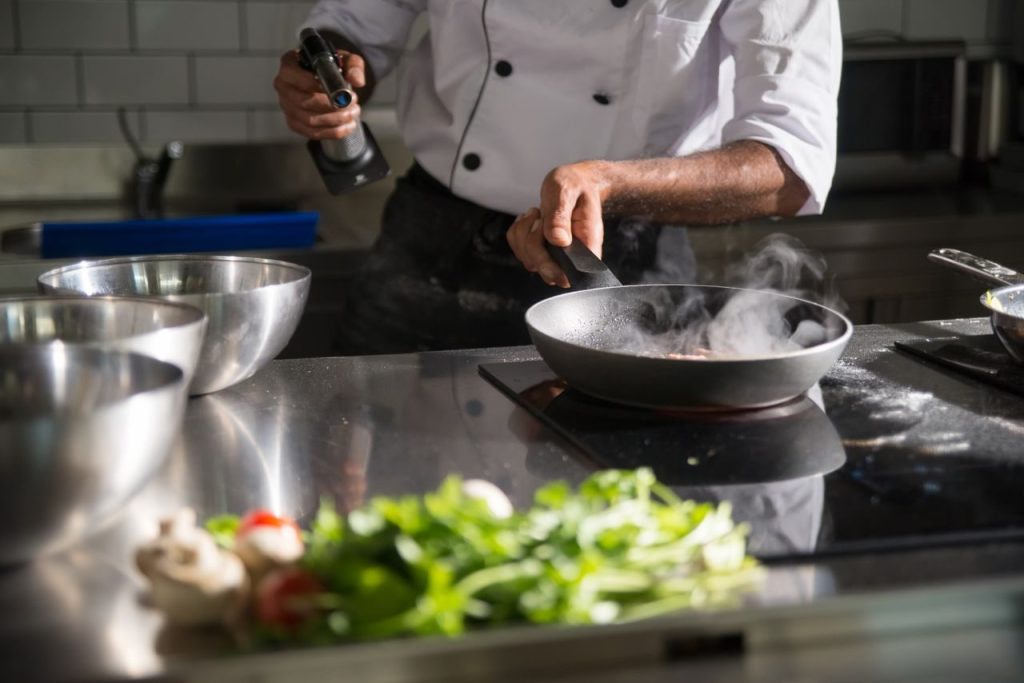
Choose a sequence that allows you to supervise the stages that need observation. Starting several demanding recipes simultaneously can create a false sense of efficiency while making checks harder to perform. Use timers as reminders rather than proof that food is ready. Read the recipe’s requirements and relevant food-safety guidance, particularly for dishes whose centre needs an appropriate cooking check before the portions are divided or served.
Keep a clear landing area for hot cookware and a separate suitable space for the next handling stage. Set out containers before the vessels become difficult to move. If the available workspace is small, reduce the batch or cook fewer recipes. The point is to finish with manageable portions and a clear storage route, not a collection of hot dishes waiting in every corner while you search for containers and shelf space.
Use a documented cooling plan
The Food Standards Agency advises cooling leftovers and refrigerating them within one to two hours, using smaller portions to help cooling where appropriate. Follow its current guidance and the requirements relevant to the specific food. Rice has separate advice, so do not assume a general leftovers note covers every dish. Read the relevant instructions before cooking rather than discovering after the session that the chosen quantity is difficult to handle within the plan.
Label portions clearly with enough information to identify the meal and when it was prepared. Keep storage and later reheating instructions accessible for everyone who will use them. Do not judge suitability solely by a pleasant smell or the fact that the container looks tidy. A batch session is complete only when the food has been handled and stored appropriately, not at the moment the last pan is removed from the hob.
Make the next session simpler
Afterwards, record the recipes, portions and equipment combination that worked. Note specific problems such as a tray that blocked another dish, inadequate container space or a final stage requiring too much simultaneous attention. Change those details next time instead of automatically increasing the batch. Repeatability matters more than an impressive photograph of every available vessel filled with food at once, especially when the kitchen is also used by others.
Consult the FSA cooking and leftovers guidance and its food fact checker for current safe handling information. Choose a session you can manage from ingredient preparation through storage. A calm Sunday routine depends on realistic quantities, suitable equipment, attended cooking and a planned finish, so convenience carries through to the later meals rather than ending when the washing-up begins.