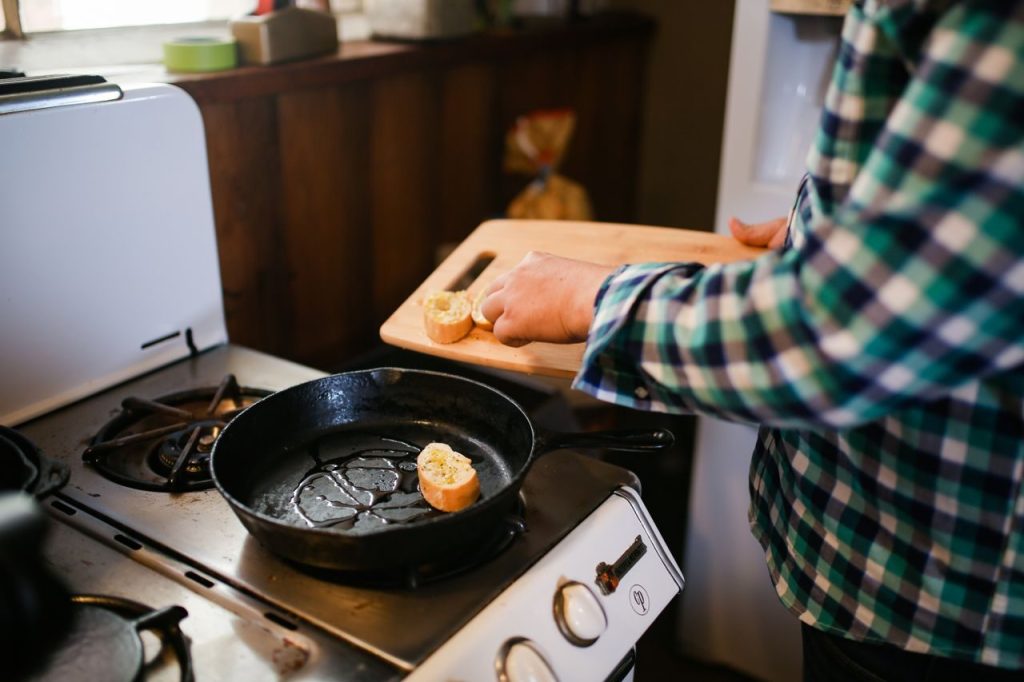
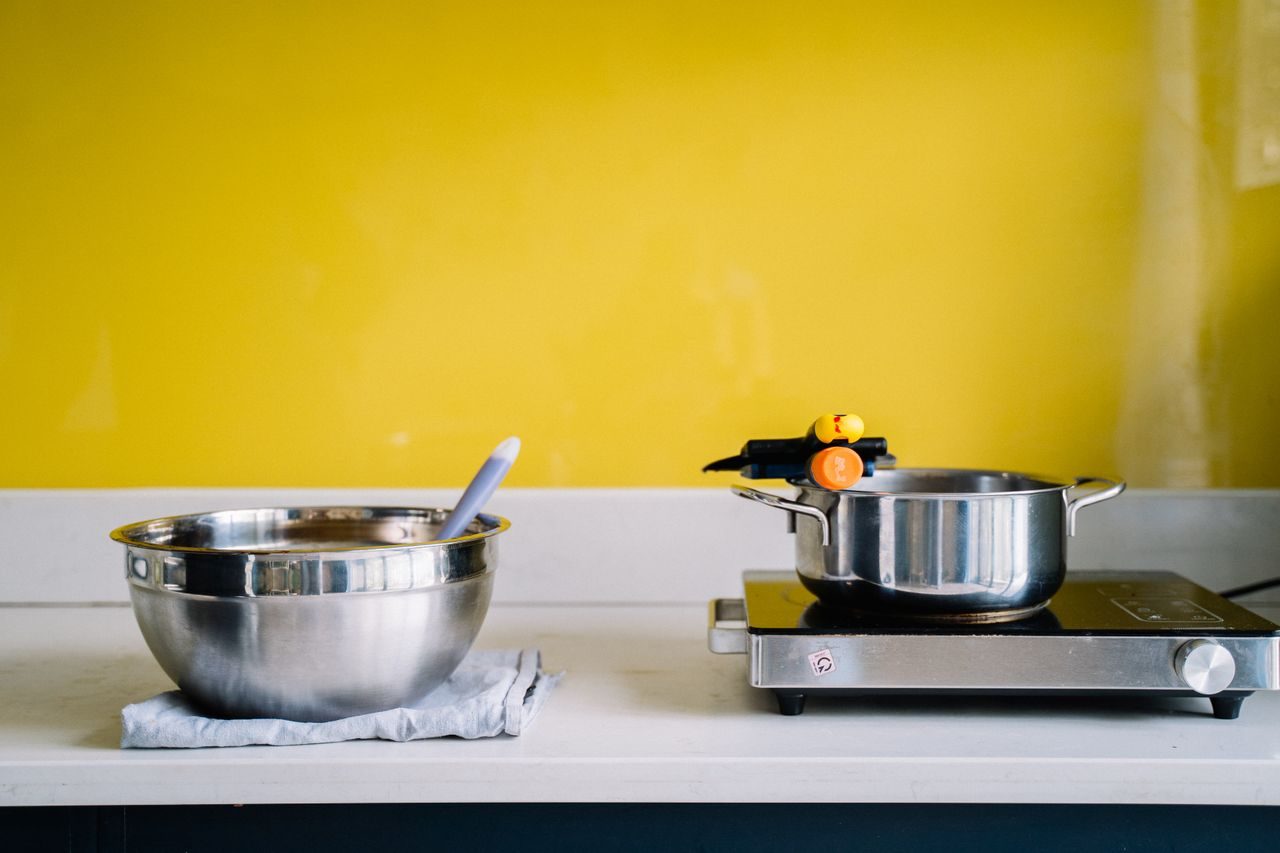
Many households prepare evening meals using only the pans already stored in the cupboard. Errors often arise when cooks attempt to follow recipes without first checking how tasks fit the available vessels and hob zones. The result can be uneven cooking, extended waiting times or food safety issues from improper holding temperatures.
Correct sequencing starts with a quick inventory of pan diameters, depths and materials. Once the set is known, recipes can be adjusted so that each pan performs one clear job at a time. This approach reduces the need for mid-cook transfers and keeps heat settings stable.
Overestimating how much fits in one pan without crowding
Recipes written for larger households frequently list volumes that exceed the capacity of a typical 20 cm or 24 cm frying pan. When ingredients are piled high, steam cannot escape evenly and surfaces remain wet instead of browning. A simple check involves placing the raw items in the pan before heating; if they sit above the rim or touch the sides too closely, the quantity must be reduced or split across two vessels.
Manufacturers state maximum fill lines on many saucepans. Exceeding these lines risks boil-over on ceramic or induction hobs, where heat transfer is rapid once liquid reaches temperature. Dividing the same ingredients between a shallow sauté pan and a deeper stockpot keeps each layer thin enough for proper evaporation.
Ignoring the time needed to reheat a second pan
Switching from one pan to another without allowing the second vessel to reach working temperature creates cold spots. Cast iron retains heat longer than aluminium, so the second pan may still be warming while the first is already at full temperature. A practical step is to place the second pan on the hob at medium power while the first pan finishes its initial task, then raise the setting once the first pan is removed.
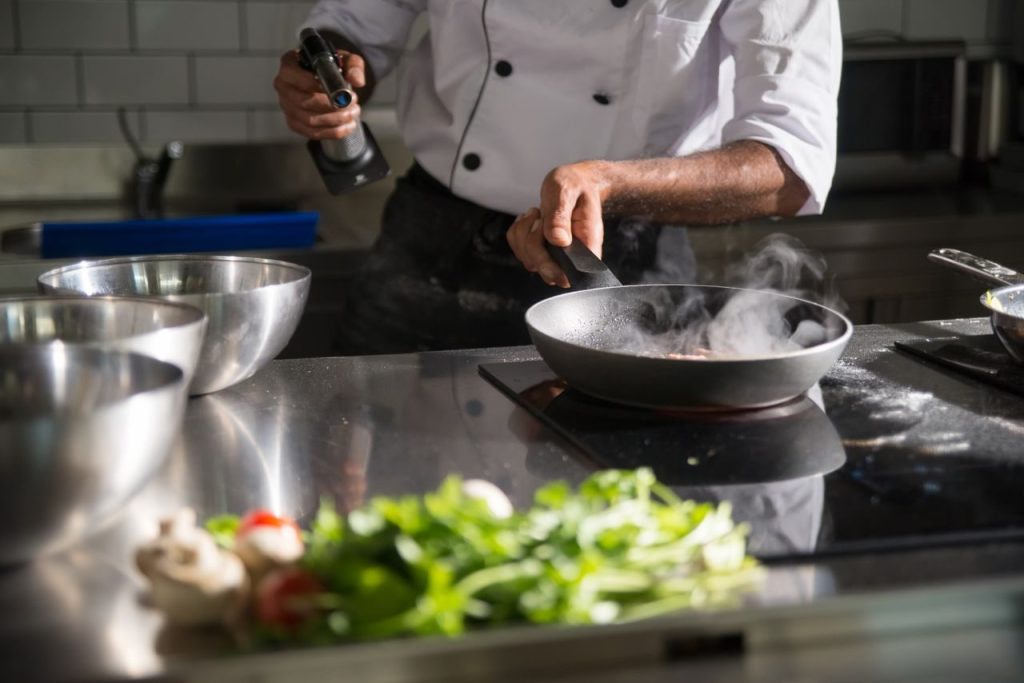
Food safety guidance from authorities such as the Food Standards Agency recommends keeping hot food above 63 °C. If a second pan is not preheated, the transferred food drops below this range and must be reheated fully before serving. Preheating avoids repeated temperature cycling that can affect texture in delicate items such as fish or eggs.
Mismatching pan base diameter to hob zones
Ceramic and induction hobs perform best when the pan base covers the marked cooking zone completely. Using a 16 cm pan on a 21 cm zone wastes energy and produces uneven heating at the edges. Before starting, measure the base of each pan against the hob markings; if no exact match exists, select the closest size and adjust power downward to prevent overheating the exposed ring.
Induction hobs will not engage if the base is too small or made of unsuitable material. Checking the manufacturer’s compatibility list for each pan prevents the frustration of a non-responsive zone mid-recipe. Stainless steel and cast iron bases usually work; glass or copper without a ferrous layer will not.
Neglecting advance preparation of ingredients for pan changes
When a recipe requires moving from browning to simmering, all ingredients for the second stage should be measured and within reach before the first pan is lifted. Opening cupboards or chopping while a pan sits on the hob leads to overcooking or sticking. A brief layout of bowls containing measured portions allows the cook to empty one pan, set it aside to cool, and move straight to the next vessel.
Material care also benefits from this order. Non-stick surfaces should not be scraped while hot; stainless can tolerate deglazing sooner. Knowing which pan will be used for which stage lets the cook choose the correct tool without last-minute swaps that risk surface damage.
Storing pans before they are fully dry
After washing, moisture trapped between stacked pans promotes corrosion on cast iron and discolouration on stainless steel. Manufacturer instructions for most materials advise towel drying before cupboard storage. Placing a folded tea towel between pans creates airflow and prevents scratches on non-stick coatings during retrieval.
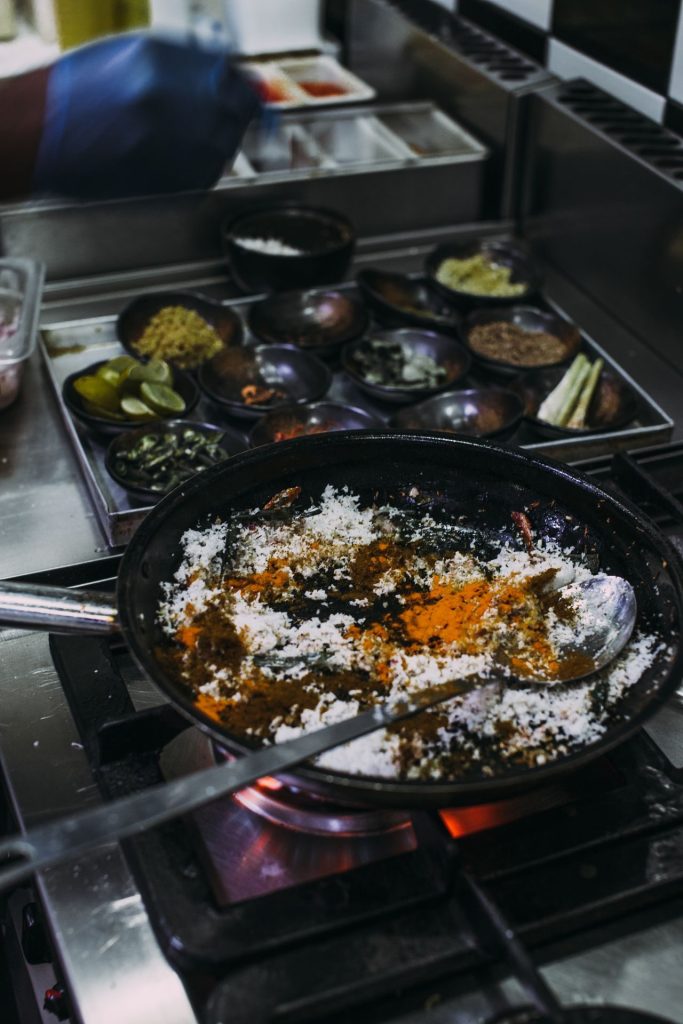
Weekly meal plans that include repeated use of the same pans benefit from a short drying period on a rack before stacking. This habit maintains the condition of the collection and avoids the need to re-wash a pan that has developed spots from damp storage.
Adjusting recipes when only one large pan is available
Some evening meals traditionally use a large sauté pan for vegetables followed by a smaller pan for sauce. With only one wide pan on hand, the vegetables can be cooked first, removed to a warmed plate, and the same pan used for the sauce base. The vegetables are returned for the final two minutes, accepting a slightly softer texture in exchange for fewer dishes.
Temperature control remains important. After removing vegetables, the pan should be allowed to drop a few degrees before adding liquid ingredients, preventing sudden spitting or scorching of fond on the base. This sequence works within the limits of the single vessel while respecting material tolerances stated in care guides.
Verifying lid fit before oven transfer
Recipes that move from hob to oven require lids rated for the oven temperature. Not every saucepan lid carries this rating; glass lids with plastic knobs may distort above 180 °C. Checking the symbol on the lid or consulting the appliance manual confirms whether the lid can travel with the pan or whether a separate oven-safe cover must be used.
When the lid cannot accompany the pan, a double layer of foil pressed around the rim provides a temporary seal. This workaround maintains moisture without risking damage to non-oven-rated components.
Planning meals around existing pans therefore centres on matching quantities, temperatures and drying routines to the actual collection rather than assuming additional equipment will appear. Consistent checks of capacity, hob contact and material limits keep daily cooking efficient and safe.