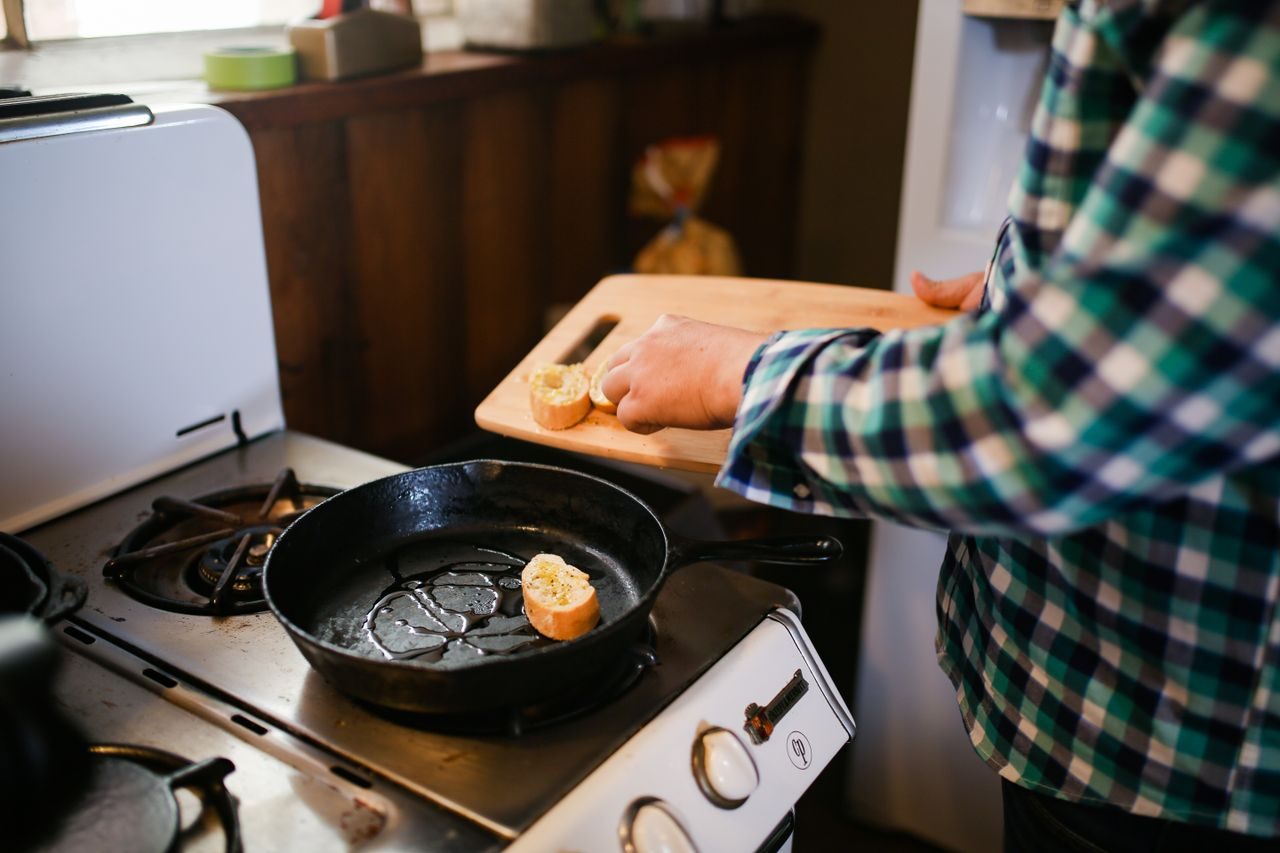
Pan bases that sit unevenly on a hob surface create hot spots and slow cooking in some areas while others lag. Checking base condition before each use reduces these inconsistencies without relying on special tools. Manufacturers specify that bases must remain flat within a narrow tolerance for ceramic and induction models. A simple visual and straight-edge check each week keeps performance predictable during routine meals.
Users who notice uneven results often trace the issue back to gradual base distortion rather than hob settings. Regular inspection prevents the need to raise power levels repeatedly, which can shorten appliance life and increase energy use. The same checks apply whether the hob is new or several years old, because the contact surface on the pan changes with normal household cycles of heating and cooling.
Why base contact matters on flat hobs
Ceramic and induction hobs transfer heat only where the pan actually touches the glass or coil area. Any gap larger than a millimetre interrupts the intended heat path and forces higher settings that waste energy. On ceramic surfaces the glass itself stays relatively cool outside the contact zone, so poor contact directly lengthens cooking times for standard portions such as a litre of sauce or four servings of vegetables. Induction models sense the presence of magnetic material; gaps reduce the effective coupling and the control unit may cycle power on and off rather than deliver steady output.
Gas hobs tolerate slight warping because flames rise around the base, but the same pan on ceramic may rock and spin during stirring. Daily observation of wobble before heating prevents mid-cook adjustments that alter timing. The practical boundary is simple: if the pan moves when nudged with a wooden spoon while empty and cold, it will behave the same way once food is added. This applies equally to new pans that have been dropped and older ones that have seen repeated thermal stress.
Simple flatness test before switching hobs
Place a steel ruler across the base diameter and look for daylight underneath at several angles. Rotate the pan 90 degrees and repeat; any visible gap indicates the need for a different pan or gentle flattening if the manual permits it. The test takes less than a minute and requires only an ordinary straight edge found in most kitchens. It works for all common diameters from 14 cm to 28 cm and should be repeated after any accidental impact or after the pan has been used for oven-to-hob transfers that involve sudden temperature changes.
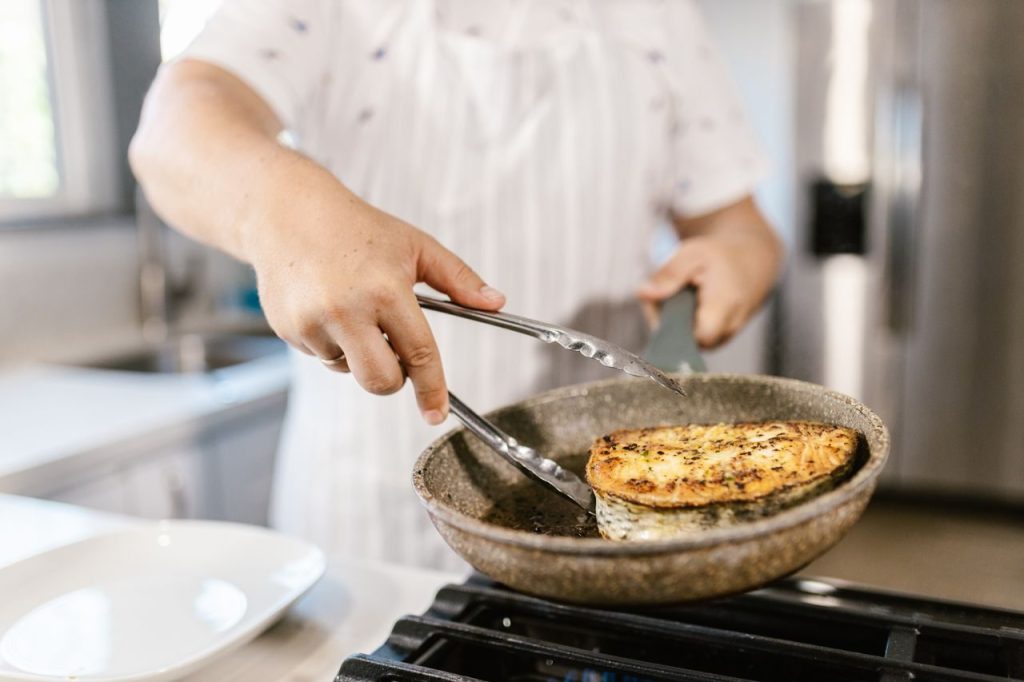
Induction hobs add a magnetic test: if the base attracts a fridge magnet strongly across the whole surface, contact is usually sufficient. Weak spots suggest delamination that will heat unevenly regardless of power level. The magnet check is reliable only on induction-compatible bases; it gives no information about ceramic hob performance. Both tests together give a clear pass-or-fail result that can be applied before every major cooking session without special equipment or training.
Material response to repeated heating cycles
Stainless steel bases expand and contract at different rates from aluminium or copper cores. Over months this can produce a slight dome that lifts the centre off ceramic glass. The effect appears first on pans used daily for high-heat tasks such as searing meat or reducing stocks. Pans that move between hob and oven experience additional stress because the base cools at a different rate from the sides. Manufacturer care instructions usually advise against extreme temperature shocks precisely to limit this distortion.
Cast iron retains shape better but can develop a slight bow if cooled too quickly on a wet surface. Manufacturer guidance usually recommends air drying on a rack rather than plunging into cold water. Enamelled cast iron adds another constraint: the enamel layer can crack if the metal underneath flexes, so any visible rocking on a flat surface signals that the piece should be reserved for oven use only. These material-specific limits are stated in appliance and cookware manuals and remain consistent across brands.
Daily heat setting adjustments
Start every session on medium for two minutes so the base reaches uniform temperature before adding food. Then reduce to the lowest number that maintains a steady simmer; this prevents the overshoot common when a warped base meets a hot ceramic zone. On induction, the same gradual approach avoids the control unit interpreting poor contact as an error and shutting down. Users who preheat too aggressively often find that food sticks in the centre while the edges remain undercooked.
On induction, use the boost function only for initial heating of liquids, then drop two levels immediately. The faster response of induction means small changes register within seconds rather than minutes. Ceramic hobs require a longer stabilisation period, typically three to four minutes, before the surface temperature evens out. Keeping a simple mental note of these timings for each hob type removes the need to guess mid-recipe and reduces the chance of overcooking delicate items such as sauces or eggs.
Recognising when contact has deteriorated
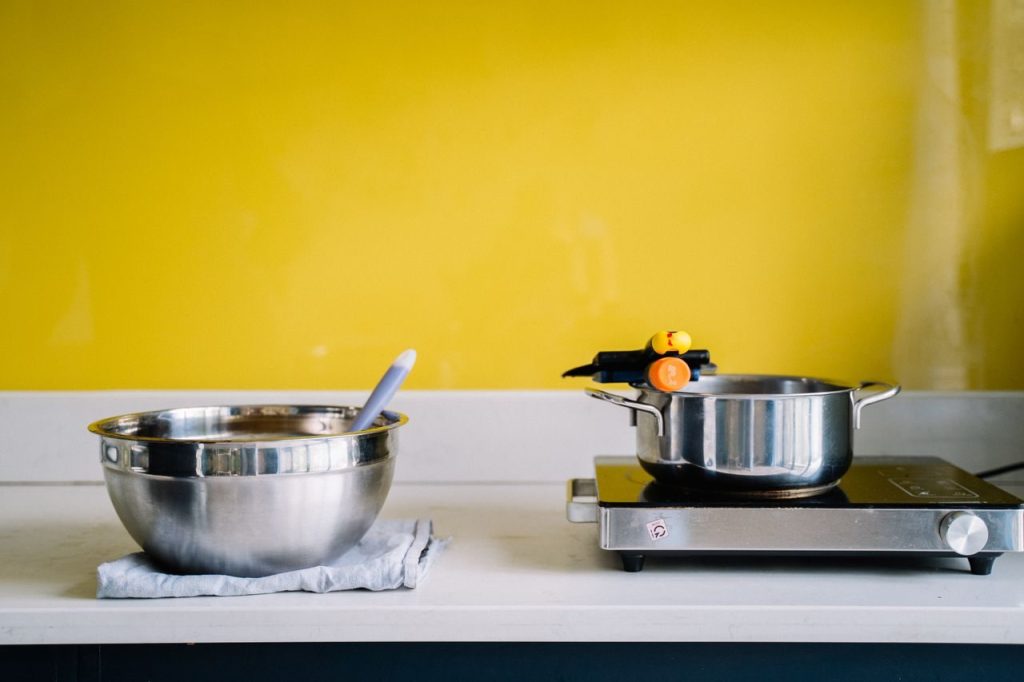
Food in the centre of the pan consistently cooks slower than the edges on ceramic hobs. This pattern points to a raised centre rather than a hob fault. The same symptom on induction appears as longer-than-expected times to reach a rolling boil or as the unit switching off before the set time. Both observations are reliable indicators that the base no longer meets the flatness tolerance required by the appliance.
Induction units may display an error or simply fail to heat if the base warps beyond the sensor range. In both cases the remedy is the same: retire the pan for hob use or reserve it for oven work only. The decision rests on observable behaviour during ordinary cooking rather than on external measurement. When the pattern repeats across two or three different recipes, the base condition is the most likely cause and continued use on flat hobs will not improve results.
Storage habits that preserve base condition
Stacking pans without protective liners presses the weight of upper pieces onto lower bases and can gradually distort thinner stainless. Placing a folded tea towel between each pan avoids this pressure and also prevents scratches that later affect contact. The habit takes only a few seconds when unloading the dishwasher or drying by hand and applies to all mixed-material collections stored in the same cupboard.
Store heavier cast iron pieces on the bottom of the stack so lighter pans do not sit on them. This order also reduces the chance of enamel chipping from sliding during cupboard access. Lids should be stored separately or upright to prevent them resting on pan bases; a loose lid can create a small but permanent dent over time. These storage rules follow directly from the physical properties of the materials and the forces present in a typical kitchen cupboard.
Practical limits and when to stop using a pan
Appliance manuals state that visible rocking on a known flat surface means the base no longer meets the required tolerance. Continuing to use it on ceramic or induction risks both poor results and possible glass damage from repeated rocking. The limit is reached when the gap under a straight edge exceeds one millimetre across any diameter; at that point heat transfer becomes inconsistent for everyday portions.
Replacement decisions rest on the manufacturer’s stated flatness tolerance rather than appearance alone. When the base no longer passes the ruler test across two diameters, hob performance will remain inconsistent. Pans that fail the test can still be used on gas or in the oven, so the practical choice is to reassign rather than discard. This approach keeps the existing collection functional while maintaining reliable results on the primary hob.