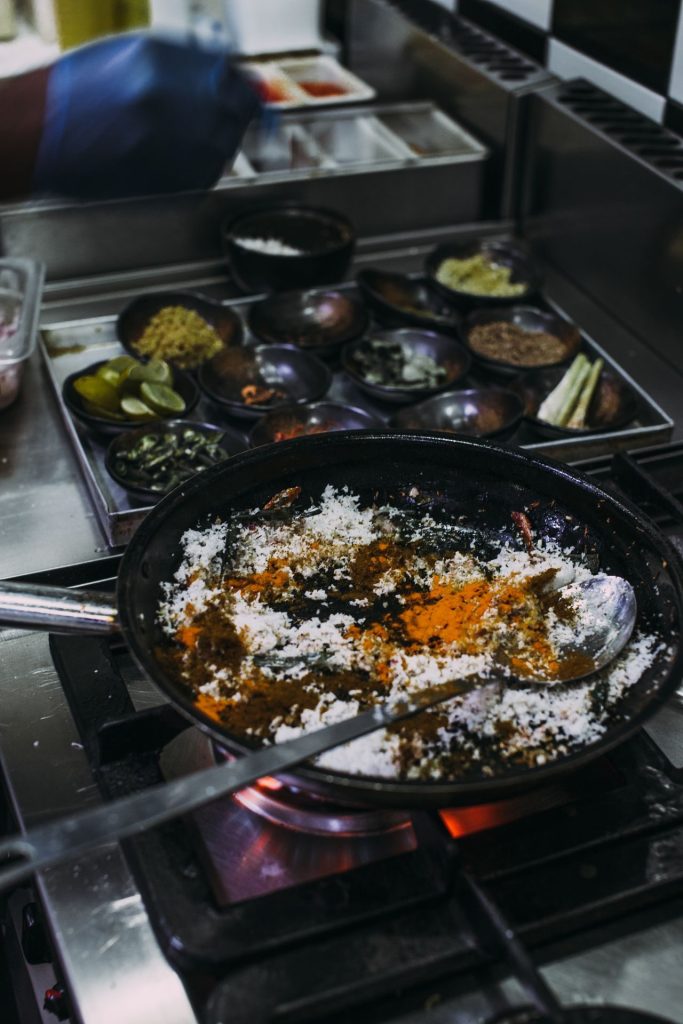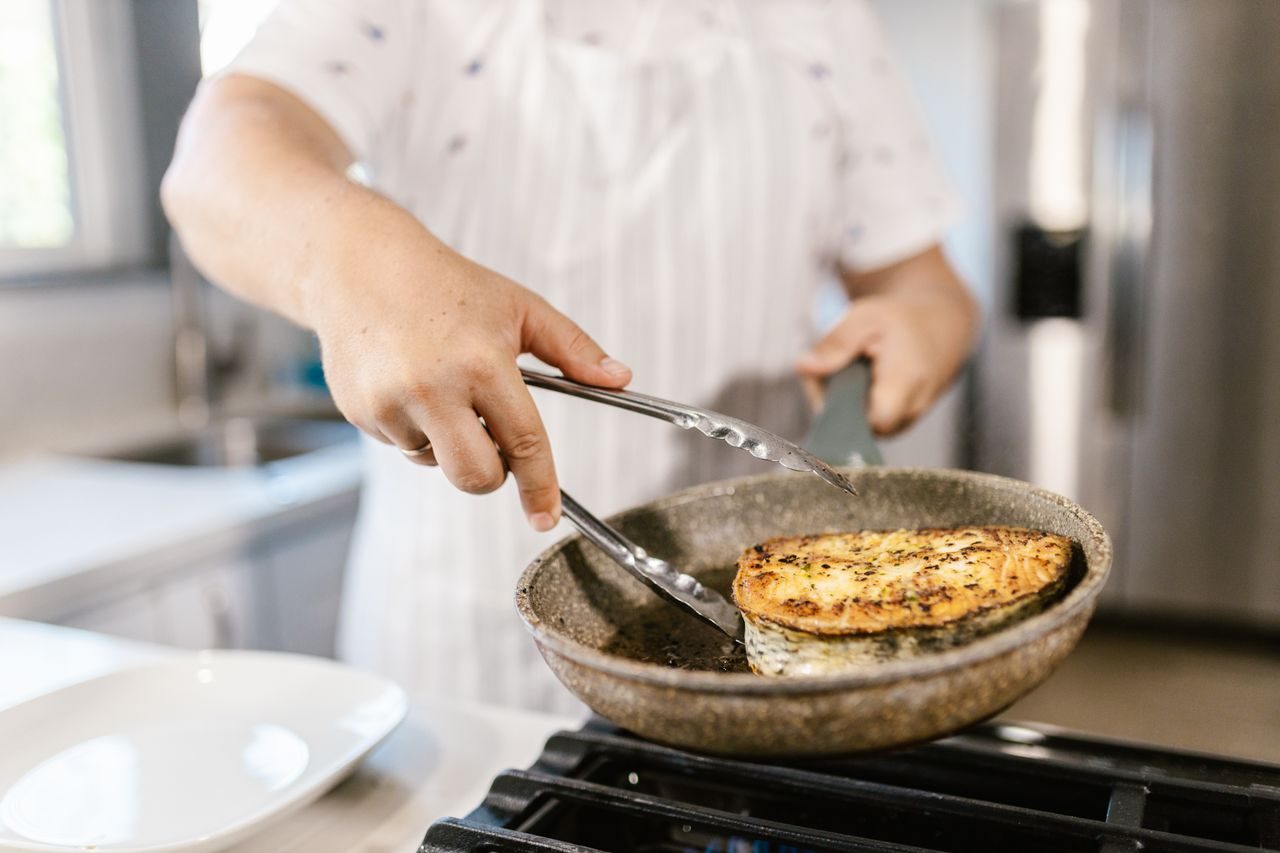
Selecting cookware for dishes that include tomatoes, wine, citrus or vinegar requires attention to how each material interacts with those ingredients. Prolonged simmering adds another layer, as the pan must maintain steady temperatures without hot spots or warping. Manufacturers specify limits for each material in their care instructions, and these should be followed to avoid damage or off-flavours.
Stainless steel, cast iron, carbon steel, aluminium and copper each present different balances of reactivity, conductivity and durability. The choice depends on the frequency of acidic preparations and the hob type in use, rather than on any single ideal option. Matching the material to both the recipe and the available equipment helps maintain consistent results while respecting the boundaries set by appliance and cookware manuals.
Reactivity with acidic ingredients
Stainless steel shows minimal reactivity with most kitchen acids when the surface remains intact. Manufacturers advise against prolonged contact with highly acidic foods in some grades, but daily use of tomato-based sauces is generally acceptable provided the pan is cleaned promptly after cooking. To judge suitability, check the grade marking on the base or interior and confirm the recommended contact time in the care sheet. A common error is leaving an acidic sauce to cool overnight in the pan, which can exceed the advised duration and lead to surface dulling on lower-grade stainless.
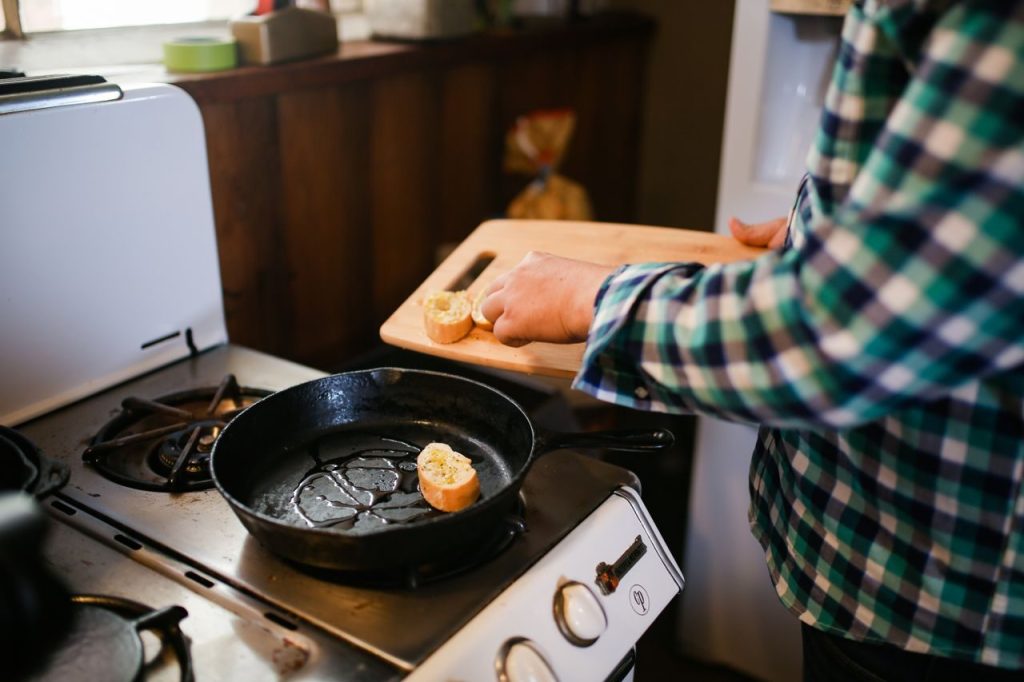
Cast iron and carbon steel require seasoning to create a protective layer. Acidic ingredients can strip this layer over time, so care manuals typically recommend limiting extended simmering of tomato sauces or vinegar reductions in these pans. Short cooking times followed by immediate cleaning reduce the risk. The condition for safe use is that the seasoning must remain even and dark; any grey patches indicate the need to re-season before the next acidic preparation. Users often mistake a quick rinse for sufficient neutralisation and later notice metallic notes in subsequent dishes.
Anodised aluminium carries explicit manufacturer warnings against uncoated versions for acidic work. The anodising process creates a barrier that prevents leaching, yet this barrier can be compromised by metal utensils or harsh scouring. Applicable only when the pan label states anodised construction, this material suits shorter acidic reductions where rapid heat response is useful. A frequent oversight is assuming all aluminium pans behave the same, resulting in discolouration that cannot be reversed.
Heat retention during extended simmering
Cast iron retains heat well once heated, which suits long-simmered stews where the temperature needs to stay consistent after the hob is turned down. The same property means it takes longer to reach temperature and longer to cool, a factor noted in manufacturer guidelines for energy use on electric hobs. To assess readiness, manufacturers suggest pre-heating gradually until a drop of water dances across the surface. This material works best when the recipe volume fills at least half the pan capacity, preventing rapid temperature swings that could scorch the base.
Copper and aluminium conduct heat quickly, allowing faster adjustments when a simmer threatens to boil over. Their lower heat retention requires more frequent monitoring of the hob setting, especially on induction or ceramic surfaces where residual heat is limited. The practical condition is that the cook must remain nearby for the first ten minutes after adding liquid, as these materials respond immediately to changes in flame or element output. A common mistake is walking away once the simmer is established, only to return to a reduced volume because the pan cooled faster than expected.
Stainless steel with a thick disc base or multi-ply construction falls between these extremes. Its moderate retention supports steady simmering of sauces without the weight of cast iron, though users must still follow the base-thickness recommendations in the product manual to avoid hot spots. When judging a pan for this task, measure the base thickness if stated or feel for even weight distribution; thin single-ply bases will show visible hot spots within minutes of low-heat simmering. This type suits kitchens where multiple short acidic tasks occur throughout the week rather than one long daily simmer.
Hob compatibility and material limits
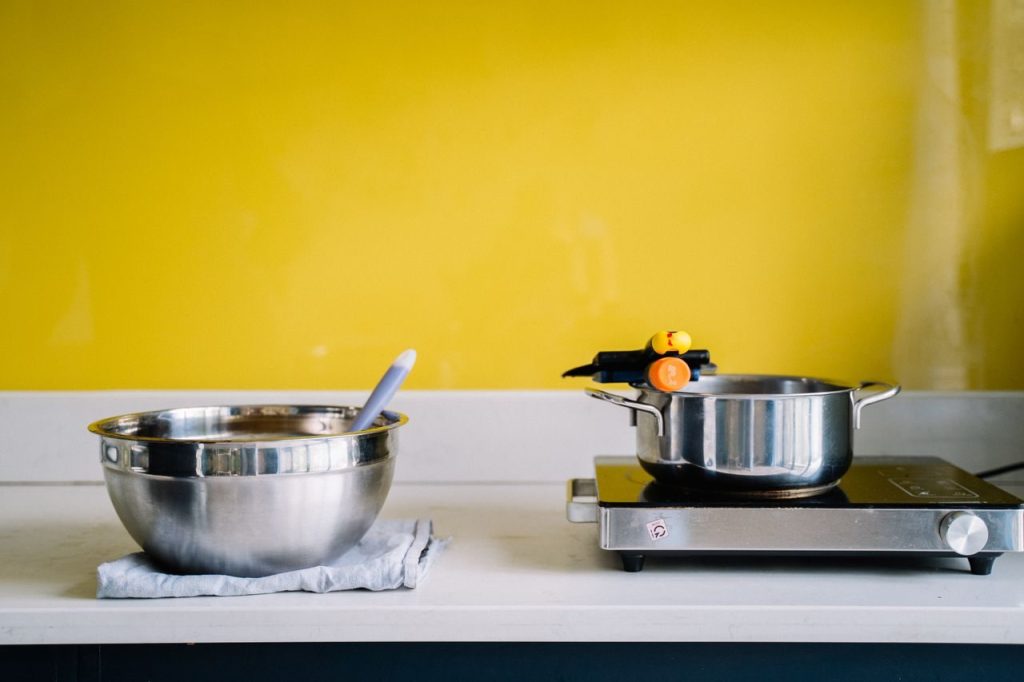
Induction hobs require magnetic bases. Cast iron and most stainless steel pans meet this requirement, while copper and aluminium need a ferrous layer bonded to the base. Manuals for induction appliances list the minimum base diameter and flatness needed for stable contact. Before first use, place the empty pan on the zone and confirm the display recognises it without error codes; repeated failure indicates the base is either too small or insufficiently magnetic for reliable performance.
Ceramic hobs can be damaged by warped or rough bases. Cast iron is often heavier than the hob manufacturer’s recommended maximum weight per zone, so checking the appliance manual before regular use prevents surface cracks. The applicable condition is that the pan base must sit completely flat when cold; any rock or gap visible under a straight edge means the pan should be reserved for gas or induction only. A frequent error is ignoring cumulative weight limits during batch cooking, which can cause hairline fractures that appear weeks later.
Cleaning after acidic cooking
Stainless steel tolerates deglazing with wine or vinegar followed by washing, provided abrasive pads are avoided on polished surfaces. Manufacturer instructions usually permit dishwasher use for many stainless items, though hand washing preserves the finish longer. The judgement criterion is the absence of rainbow discolouration after cleaning; if it appears, reduce the heat setting for future acidic work or switch to a lower-grade cleaner. Prompt rinsing before residue dries prevents the need for aggressive scrubbing that could scratch the interior.
Seasoned cast iron and carbon steel should not be soaked or washed while still warm after acidic cooking. Neutralising residue with a quick rinse in warm water and immediate drying prevents rust, as specified in care sheets. The storage condition is that the pan must be completely dry before being put away; any remaining moisture combined with residual acid accelerates corrosion. A common oversight is returning the pan to the cupboard while the interior is still slightly damp from the rinse step.
Anodised aluminium requires non-abrasive cleaners to maintain the protective layer. Dishwasher detergents can strip anodising over repeated cycles, so manuals often advise hand washing for longevity. After acidic use, a soft sponge with warm soapy water is the recommended method; any visible fading of the anodised colour signals that future acidic dishes should be moved to stainless or enamelled alternatives.
Storage considerations linked to material
Cast iron benefits from a dry, ventilated cupboard to avoid moisture retention. Stacking without separators can chip enamel on enamelled versions, a point covered in most product care guides. The practical step is to hang cast-iron pans when space allows or place a folded cloth between stacked pieces. This approach also prevents the heavy base from pressing against lighter pans stored below and causing dents.
Stainless and anodised aluminium stack more readily but still need protection for polished or coated surfaces. Lids should be stored separately when possible to prevent trapped moisture that could affect seasoning on other pans. A useful habit is to group pans by material in the cupboard so that stainless never rests directly on cast iron, reducing the chance of surface transfer during retrieval.
When material choice affects recipe adjustments
Recipes written for one material may need timing changes on another. A stainless-steel pan heats and cools faster than cast iron, so the point at which ingredients are added or the hob setting is reduced can differ. Manufacturer temperature ratings provide the safe upper limit rather than any experiential benchmark. When switching materials, note the time taken for the first simmer to stabilise and adjust subsequent steps by that interval.
Carbon steel offers a middle ground for searing then deglazing, but its lighter weight compared with cast iron means it loses heat more rapidly when cold ingredients are added mid-cook. Checking the pan’s stated oven-safe temperature before transferring to the oven avoids exceeding material limits. The condition for safe transfer is that both pan and lid must carry matching oven ratings; mismatched lids can warp or release coatings even if the base remains intact.
No single material suits every acidic or long-cooked dish without trade-offs. Matching the pan to the specific combination of ingredients, hob type and expected cleaning time keeps results consistent within the boundaries set by the manufacturer’s instructions. Over time, maintaining a small set of two or three materials that cover the most frequent tasks reduces the likelihood of using an unsuitable pan under pressure.