Many cooks accumulate pans they rarely use because a boxed set supplies one of each size in matching material. Selecting shapes one at a time lets the cupboard reflect actual meal patterns instead. This approach starts with listing the dishes prepared most often and matching each to the pan geometry that supports it without excess bulk or wasted space.
Common tasks such as reducing a sauce, browning meat or simmering vegetables each favour different depths and base widths. A single versatile shape cannot cover every requirement without compromise on heat distribution or handling. The process involves measuring existing storage and hob zones first so new purchases fit the available space and equipment rather than the other way around.
Depth versus surface area for sauce work
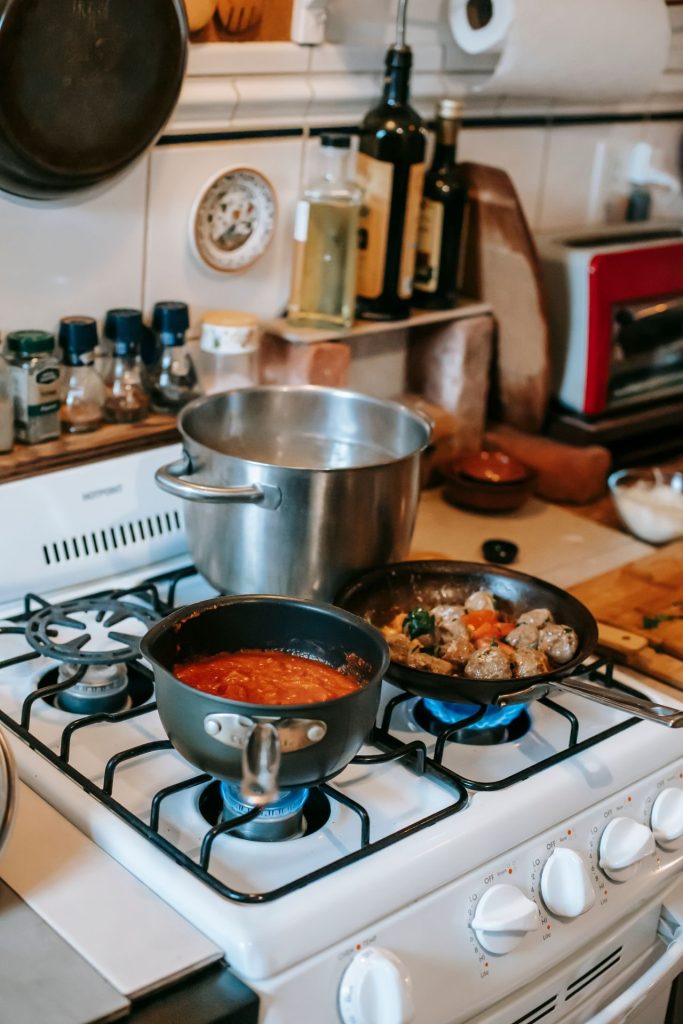
A narrow saucepan concentrates liquid volume so that a modest quantity covers the base during reduction. The taller sides limit surface exposure to air, which slows evaporation slightly and allows closer monitoring of consistency through the narrower opening. This shape suits everyday sauces where the cook needs to stir frequently and judge thickness by how the liquid coats a spoon. Manufacturers often specify the internal diameter on the base so buyers can compare it directly with the volume required in common recipes.
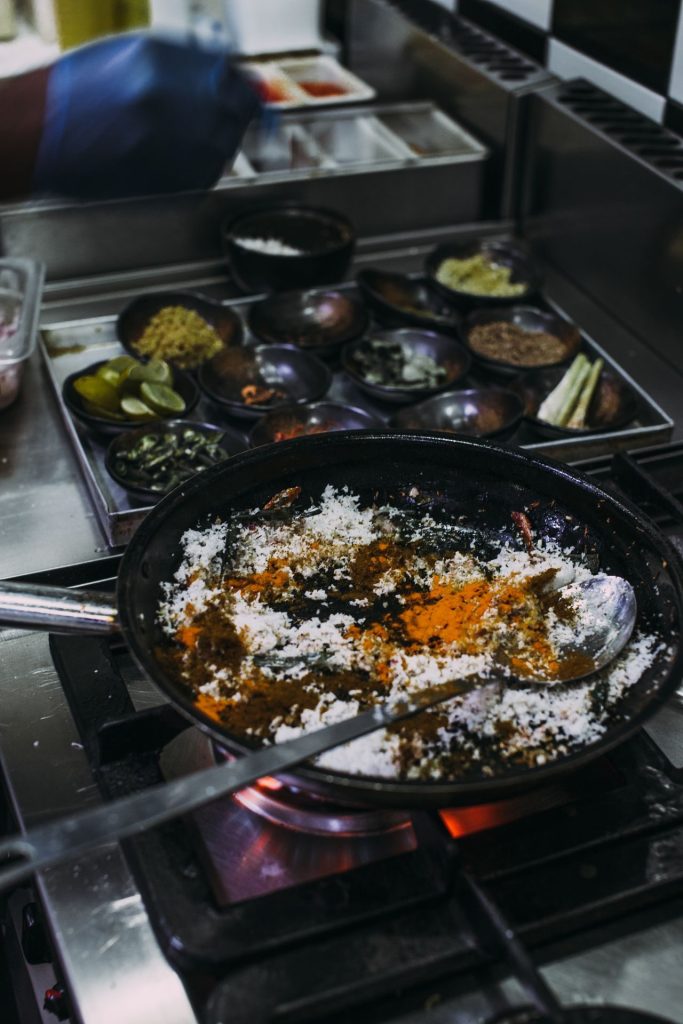
By contrast a wide shallow pan spreads the same liquid into a thin layer that evaporates more rapidly, useful when the goal is quick concentration of flavours without prolonged simmering. The choice therefore starts with the typical quantity of liquid involved and whether the recipe calls for gentle reduction or faster volume loss. A common error is selecting the wide pan for small batches, which leaves a thin film that scorches before it thickens. Checking the recipe yield against pan capacity before purchase prevents this mismatch and keeps the sauce from requiring constant adjustment.
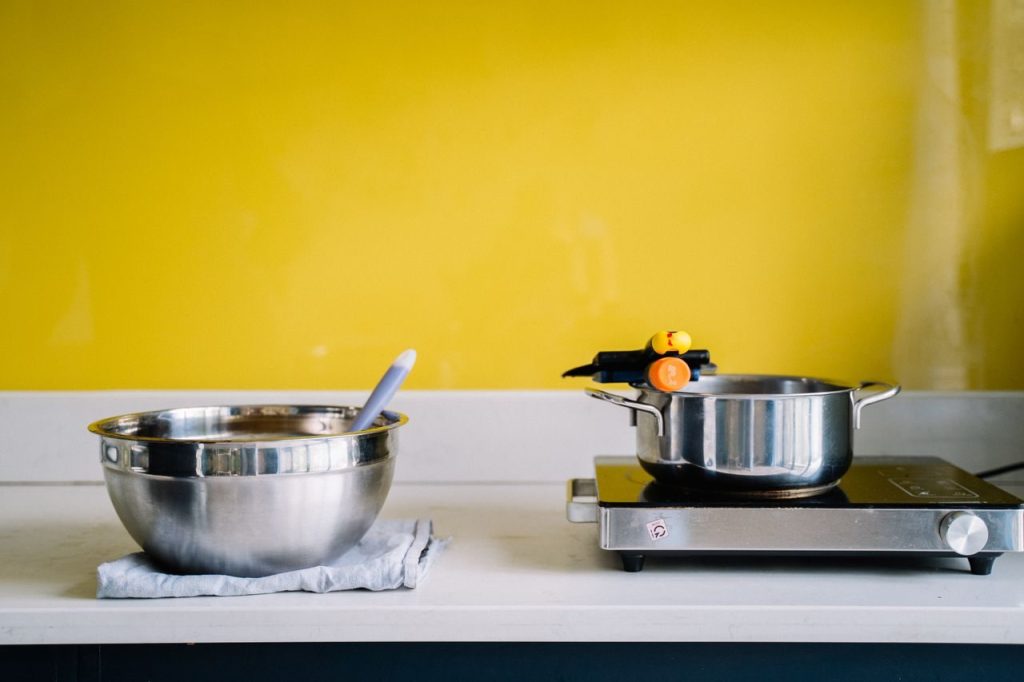
Vertical sides for even turning of vegetables
A sauté pan with straight sides and a wide base gives room to stir root vegetables or grains without constant tipping of the contents. The depth also accommodates a lid for the initial steaming stage before the lid is removed for browning, allowing one vessel to handle both moisture retention and surface colour development. Home cooks who prepare vegetable sides several times a week benefit from this shape because it keeps pieces in contact with the base longer during stirring. Appliance manuals for induction hobs note that the flat base must remain fully on the zone to maintain even temperature across the batch.
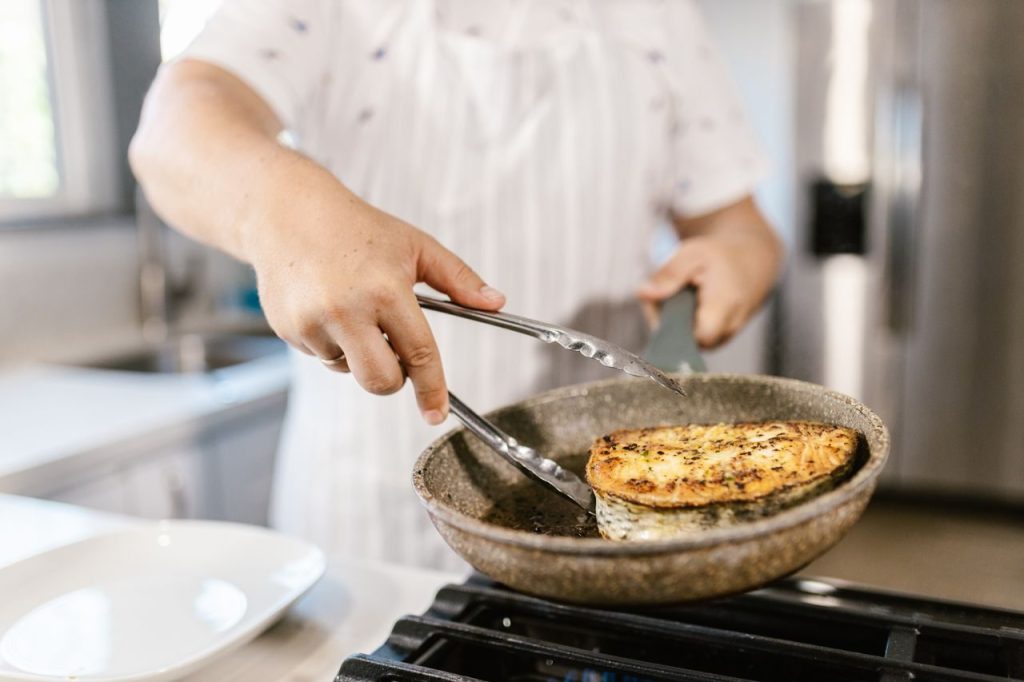
A traditional frying pan with sloped sides lets food slide onto a plate more easily but holds less volume once ingredients are added. The trade-off appears when the same pan is asked to hold a full batch of stir-fried vegetables, as pieces near the edge receive less direct heat. The decision rests on whether the primary use involves frequent turning of larger quantities or quick individual portions that benefit from easy release. Overcrowding either shape leads to steaming rather than searing, so matching the pan diameter to the usual portion size avoids this outcome.
Base diameter matched to hob zones
Induction and ceramic hobs transfer heat only where the base contacts the surface. A pan whose base is narrower than the marked zone wastes energy and creates hot spots at the edge where food may stick or cook unevenly. Checking the measurement printed on the base against the hob rings before purchase avoids later disappointment. Manufacturers list the minimum and maximum diameters compatible with each model in the appliance manual, providing a clear reference that does not rely on visual estimation alone.
Selecting a base that slightly exceeds the zone on gas burners can improve stability when the flame is turned low for simmering. The reverse applies on electric hobs where overhang traps heat and raises the risk of warping over time. A frequent mistake is assuming any round pan will work equally on all rings; measuring both the pan and the hob zones with a ruler supplies the data needed for reliable performance. This step is especially useful in kitchens where multiple hob types are present or where the cook rotates pans between different cooking stations.
Lid fit across different shapes
Lids supplied with one pan rarely seal another shape correctly. Steam escapes around the rim of a mismatched lid, lengthening cooking times and drying the contents before they reach the intended doneness. Keeping two or three lids that fit the most-used pans reduces the need for an entire set while still allowing controlled moisture retention. Glass lids allow visual checks without lifting, while metal lids retain heat more steadily during long simmers and protect against splatter when frying.
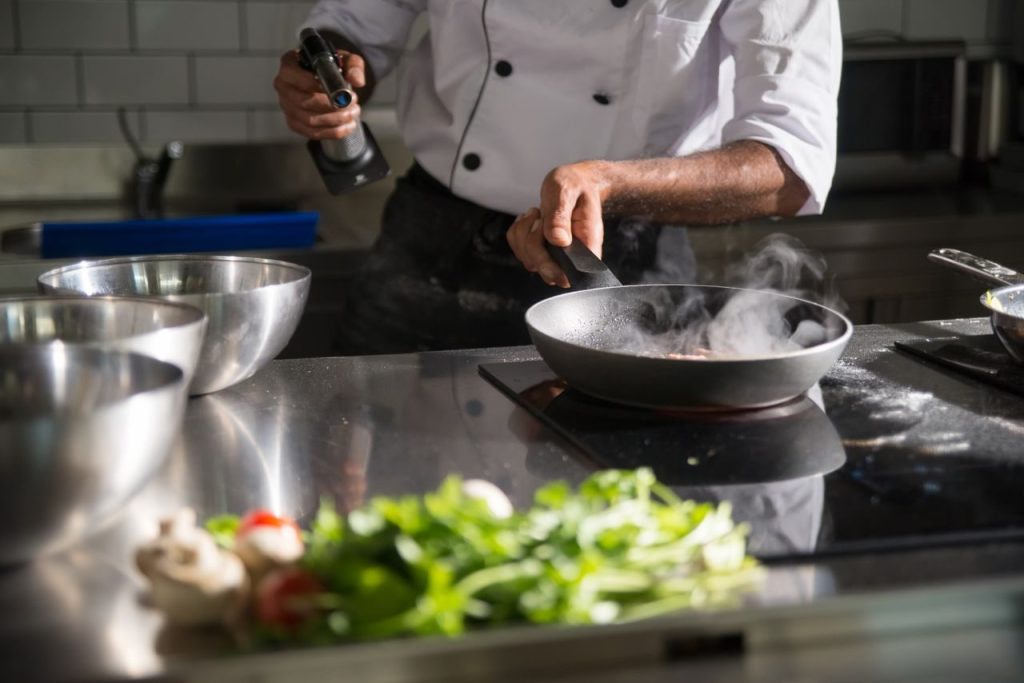
The judgment criterion is whether the lid rests flat on the rim without rocking and whether the handle stays cool enough for safe removal. A common error is forcing a lid from a larger pan onto a smaller one, which creates gaps and uneven pressure. Before adding a new shape, confirming that an existing lid will cover it or budgeting for a separate lid prevents daily frustration. Food-safety guidance on cooling recommends removing the lid once cooking finishes so steam does not condense back into the food, a step that works best when the lid lifts cleanly.
Storage considerations for individual purchases
Stacking pans of differing diameters protects non-stick surfaces better than forcing identical sizes together. Placing a folded cloth or paper between each pan prevents scratches during retrieval and extends the life of coatings that manufacturers advise against metal utensils. Vertical storage on hooks or in dividers keeps frequently used shapes accessible without nesting, and the arrangement can be adjusted as new shapes are added rather than being fixed by a pre-determined set layout.
Measuring cupboard depth and shelf height before buying ensures the chosen pan fits without tilting or blocking access to other items. A common oversight is acquiring a deep stockpot that requires its own shelf, leaving smaller pans stacked precariously on top. Planning the storage location first, including wall space for lids, avoids this problem and keeps the most useful shapes within easy reach during weeknight cooking. Over time the collection grows only in the directions that match actual meal patterns rather than filling every available gap.
Material limits when moving between hob and oven
Not every pan handle or lid remains safe above 200 °C. Appliance manuals state the maximum oven temperature for each model; exceeding it risks warping or handle failure that cannot be reversed. Choosing oven-safe shapes only for dishes that require both hob and oven stages avoids buying pieces that cannot complete the full sequence. Cast-iron casseroles and certain stainless-steel sauté pans commonly carry these ratings, while most non-stick coatings specify lower limits to preserve the surface.
Reviewing the care instructions supplied by the manufacturer before first use confirms both hob compatibility and oven limits. This step replaces assumptions based on appearance alone and prevents damage during transitions such as finishing a seared steak under a grill. A frequent error is transferring a hot pan directly from hob to oven without checking the handle material, which may soften or discolour. Keeping a note of each pan’s stated limits near the hob provides quick reference during meal preparation and supports consistent results across repeated use.