Give each pan one job
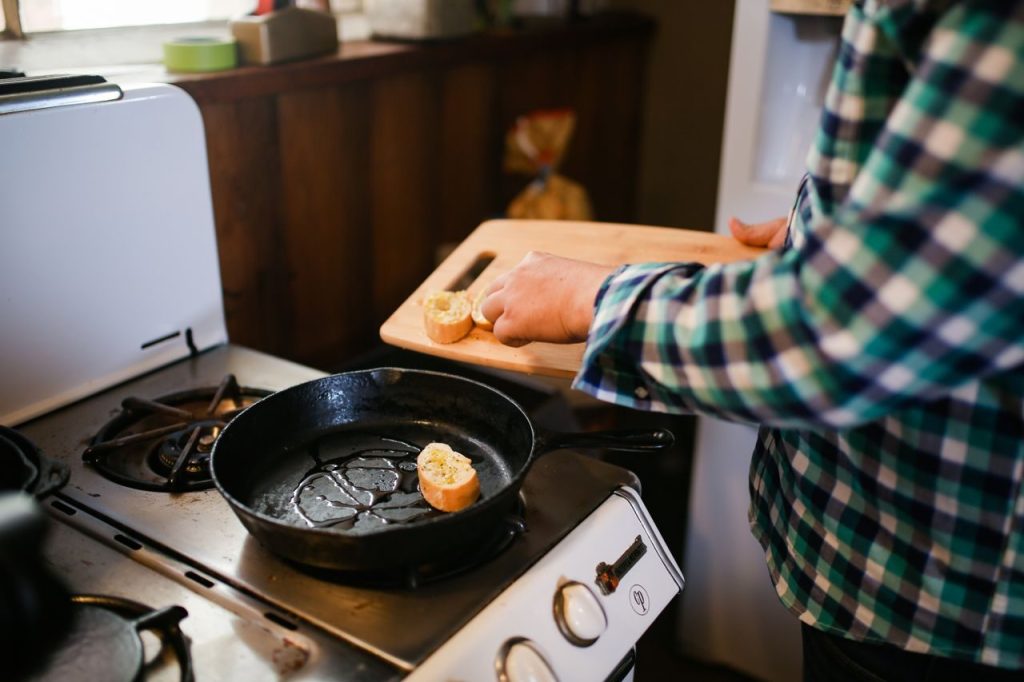
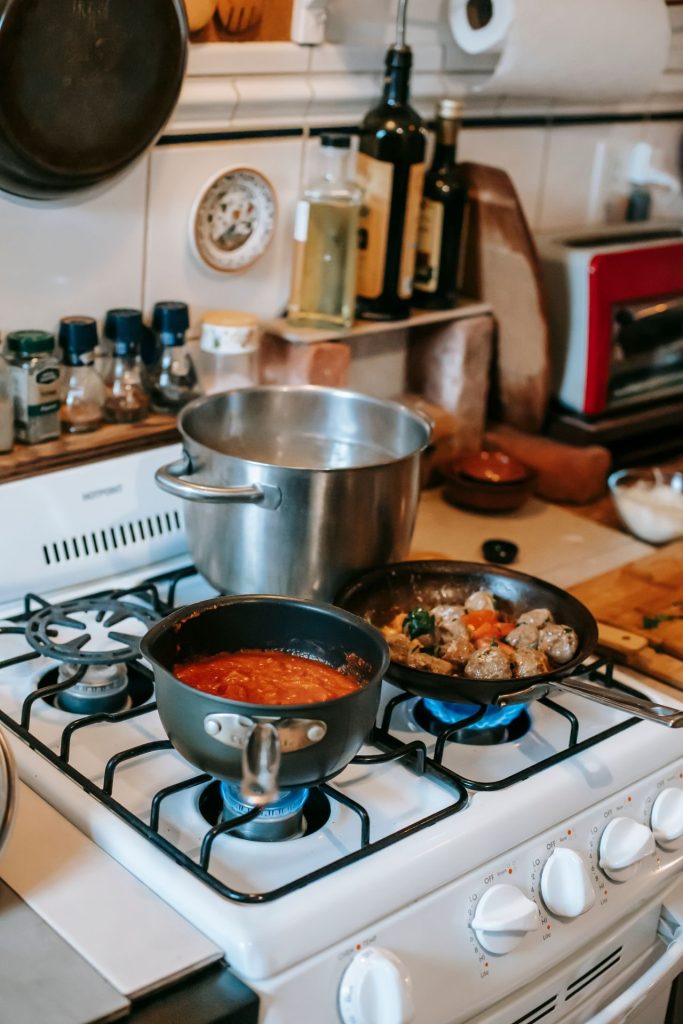
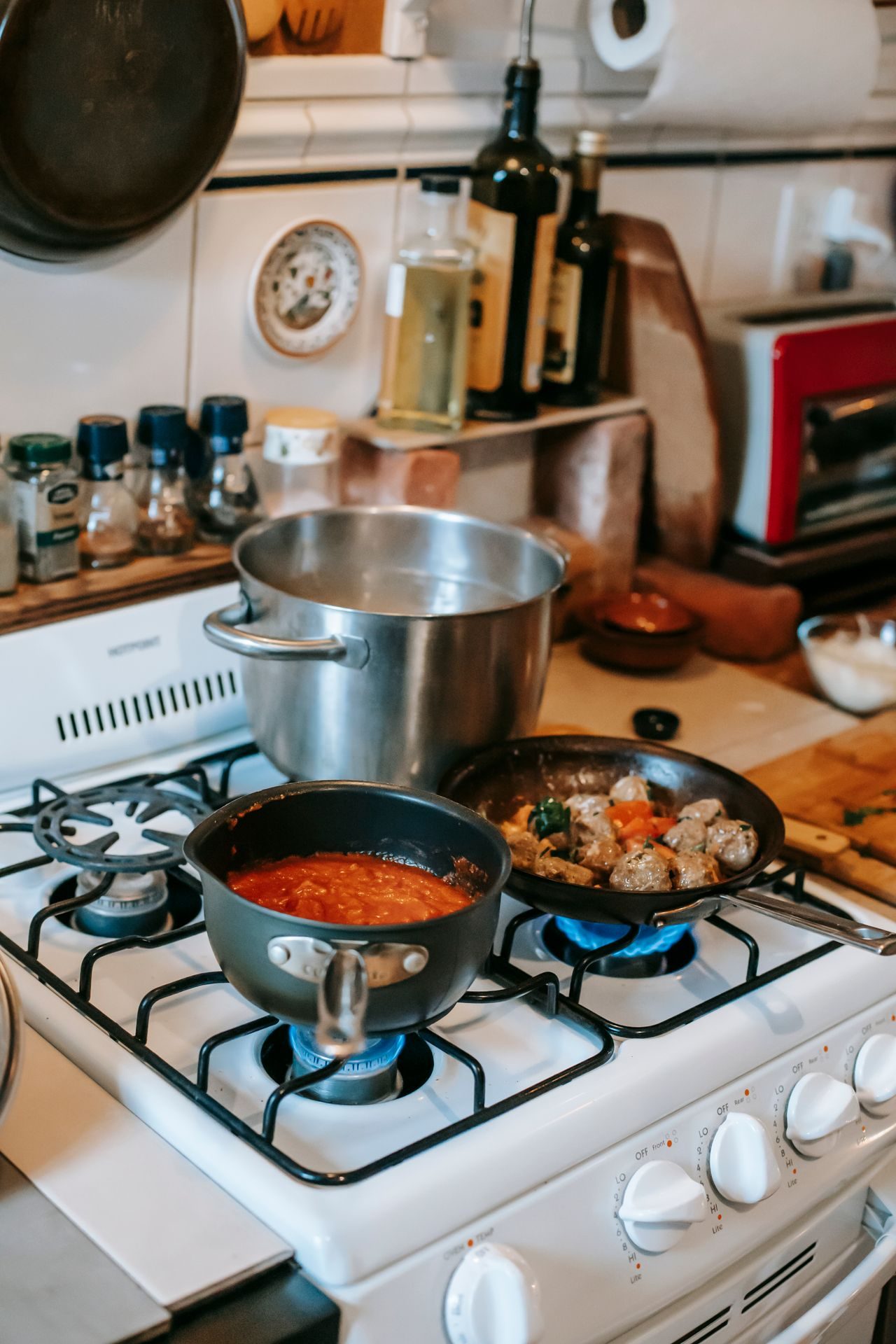
A two-pan meal becomes easier when each vessel has a defined task. One might hold a vegetable sauce while the other cooks pasta according to its packet instructions. Another combination could pair a recipe for sautéed vegetables with a separately prepared accompaniment. Choose recipes that genuinely fit the available cookware rather than forcing several unrelated cooking stages into two vessels simply to meet an arbitrary equipment limit.
Write the two jobs on a short note before starting. Include any lid, utensil or serving dish each one needs. This reveals conflicts such as one spoon being needed in two places or a colander still stored behind other equipment. The exercise is practical rather than elaborate: knowing what belongs to each pan reduces the small searches that make an ordinary evening meal feel unnecessarily hectic.
Prepare the shared ingredients
Read both recipes and group preparation tasks while the hob is off. Wash produce as appropriate, prepare the vegetables and measure sauces or seasonings. Keep ingredients separate where the methods require them to be added at different stages. A single bowl containing everything may look tidy but make the cooking sequence harder if one ingredient needs to enter the pan long before another.
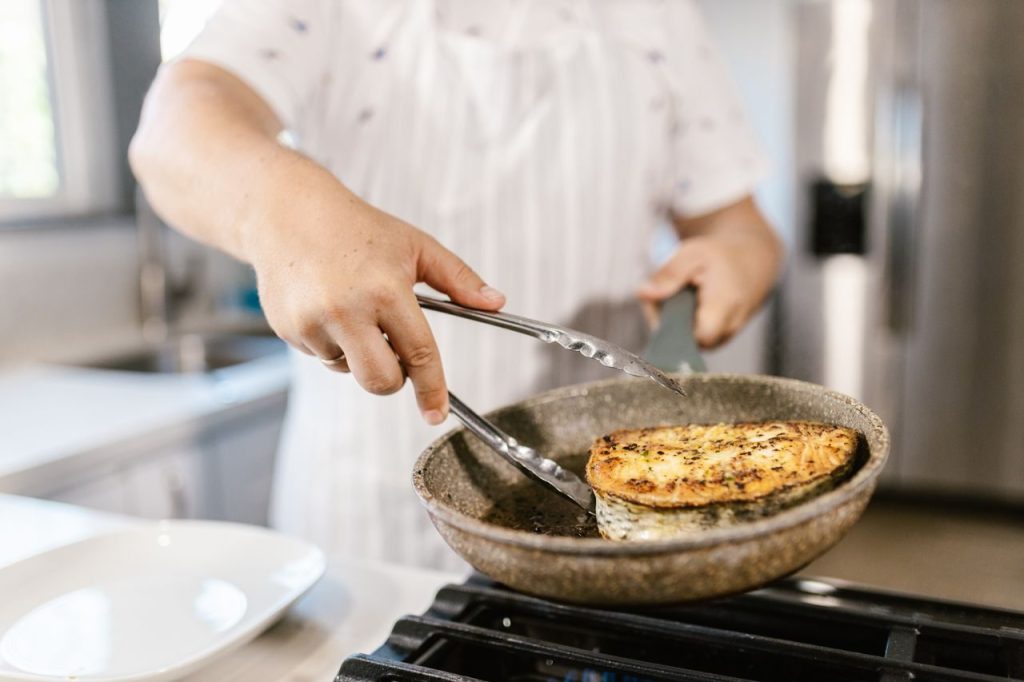
Maintain ordinary food hygiene during preparation. If a dish includes ingredients needing separate handling, organise suitable equipment and clean surfaces rather than using the same unwashed tools for everything. A small equipment plan should not become an excuse to cut hygiene steps. If the chosen menu makes those steps difficult in your available space, a simpler pairing of recipes may be more convenient and easier to manage attentively.
Mark the finishing order
Decide which component needs attention first and which should finish close to serving. Do not automatically start both pans together. A sauce recipe and a packet-guided accompaniment may have different preparation and cooking stages, so work backwards from the intended meal using those instructions. Leave room for checks rather than treating the printed times as a guarantee that two different foods will become ready at exactly the same moment.
Choose a sequence that does not depend on leaving cooked food in an uncertain holding arrangement. Consult appropriate food-safety guidance when a recipe needs a pause, reheating or storage. Choose a sequence that keeps the cooking stages manageable and follows appropriate food-handling guidance whenever a pause is needed. For a quick dinner, a pairing designed to finish together can be easier than trying to rescue a menu whose components have incompatible demands.
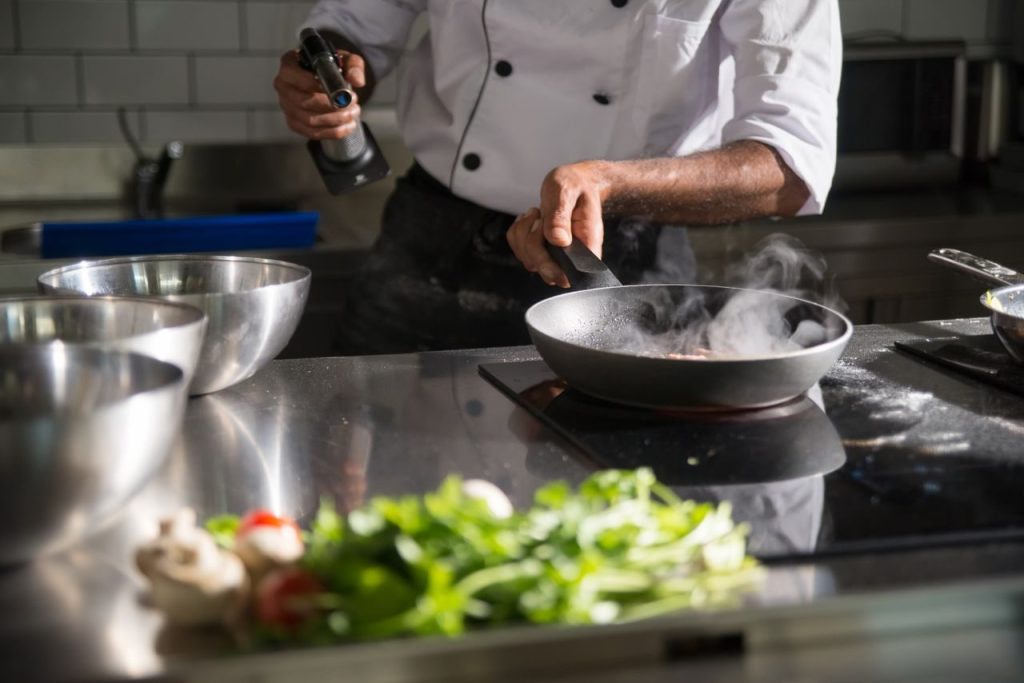
Clear the route to serving
Set out plates, a suitable trivet and serving utensils before the final cooking stages. Decide whether food will be plated in the kitchen or brought to the table in an appropriate vessel. This prevents a hot pan from occupying your hands while you look for somewhere to place it. Keep the landing area stable and free from items that would need to be moved at the last moment.
Consider the two pans together on the hob. Handles should be accessible and vessels should sit within the appliance’s permitted arrangement. If one pan must move before the other can be served, identify that step while both are still cold. A comfortable layout supports the timing plan, whereas a crowded arrangement can make an otherwise straightforward sequence awkward even when the ingredients are prepared and the recipes are familiar.
Review one meal at a time
After dinner, note the specific point that caused a delay. Perhaps the vegetables were not ready when the sauce needed them, the draining area was occupied or the plates were still in a cupboard. Change that step next time rather than buying more cookware automatically. Many two-pan difficulties are questions of sequence and access, not evidence that the kitchen needs another matching set or a more complicated recipe.
Build a small collection of meal pairings around the arrangements that work. Keep the cookware, portion size and recipe notes together so you can repeat the sequence without reconstructing it every evening. Vary ingredients only where the recipe supports the substitution and retain the relevant doneness checks. A dependable two-pan dinner is less about doing everything at once than knowing which next step actually needs your attention.