Start with the intended result
Vegetables can be cooked for many different results, so begin with the recipe rather than a general rule that every pan should be as full as possible. A method asking for a single layer has a different arrangement from one designed for simmering vegetables in a sauce. Identify that arrangement before preparing the ingredients. This makes the amount of working space a meaningful question rather than an abstract debate about pan size.
Look at the flat cooking area, not just the rim diameter. Sloping sides may make a vessel appear larger than its working base. Compare the prepared quantity with the space the method needs and decide whether a smaller recipe or several appropriate batches will be easier. Do not assume that pressing more ingredients into the same area can always be offset by a higher control setting on the cooker.
Prepare consistent pieces
Follow the recipe’s cutting instructions so the pieces suit the intended method. Similar preparation within a batch makes the sequence easier to manage than mixing very large pieces with thin fragments without a plan. This is an organisational choice, not a promise of exact cooking time. Ingredients and recipes still need observation, and readiness should be checked using appropriate cues rather than assuming every piece is identical because it was cut neatly.
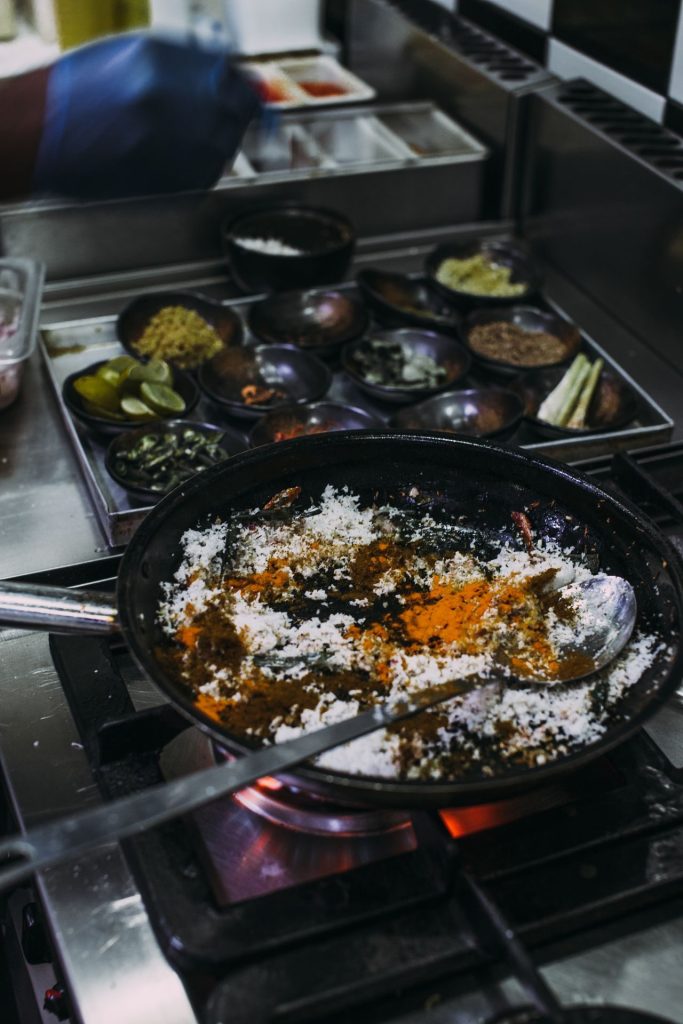
Wash produce as needed and complete any draining or drying step required by the method before heating. Avoid transferring preparation work into the busiest part of cooking. Keep separate ingredients separate when the recipe adds them in stages. A ready bowl for each stage can be more useful than a single mixed pile, particularly when softer vegetables enter later or a sauce is added only after another step has finished.
Plan the batches before starting
If the recipe permits batch cooking, choose a suitable destination for each completed portion and understand what happens next. Are the vegetables being combined immediately in a later stage, or served separately? Work that out before the pan is hot. Avoid creating an improvised waiting period or leaving partly cooked ingredients without an appropriate plan. A batch sequence should make the method clearer, not introduce uncertainty about handling and readiness.
Keep the batch quantities reasonably consistent with the recipe and pan. Adding a much larger second portion changes the situation you are working with. Have the next portion prepared, but maintain the hygiene and storage required for the ingredients involved. If the meal includes other foods with different handling requirements, do not let the vegetable workflow cause shared utensils or contaminated preparation surfaces to be overlooked.
Observe the cooking stage
Watch how the method is progressing instead of using a single sound or surface colour as the whole decision. The recipe may call for stirring, turning or adding liquid at a particular stage. Follow those steps within the cookware maker’s permitted use. If the arrangement becomes difficult to stir, stop treating the problem as a challenge to fit more food and reconsider the quantity for the next attempt.
Choose compatible utensils and keep them ready. Reaching for a missing tool while ingredients cook can turn a well-planned batch into a hurried one. Prepare a plate or dish for serving and leave a clear landing area for the pan if it needs to move. These small details matter because several batches repeat the handling steps, making an awkward movement more noticeable than it would be in a single short cooking stage.
Adjust with useful notes
Record what the recipe meant by a manageable batch in your own pan, using a preparation quantity rather than a vague description such as quite full. Note any sequencing issue, including ingredients that needed to be ready earlier. This is a private kitchen reference, not a claim that every vegetable or vessel requires the same treatment. A different ingredient or cut may need a recipe-specific adjustment rather than the same routine copied unchanged.
For future meals, choose the portion and method together. A larger family dish may suit another recipe or vessel better than many hurried batches, while a modest dinner may need less equipment than expected. The practical goal is enough space to follow the method comfortably. Batch cooking is useful when it supports that goal, not when it becomes a complicated workaround for a recipe that does not fit the kitchen or the available attention.